 Published on: May 17, 2025
🕒 Last updated on October 25, 2025
- 1. Introduction – Creativity Meets AI in 2025
- 2. Quick Picks – Best AI Tools for Creativity 2025
- 3. Why AI Tools for Creativity Matter Now
- 4. Comparison Table – Best AI Tools for Creativity 2025
- 5. Deep Dive – Canva AI (Design Assistant)
- 6. Deep Dive – Midjourney & Leonardo AI (Visual Creation Tools)
- 7. Deep Dive – Runway ML & Pika Labs (Video and Motion Creation)
- 8. Ethical Insight – AI as a Creative Partner
- 9. FAQ – Common Questions About AI Tools for Creativity 2025
Disclosure:
This post contains affiliate links. If you click and subscribe, we may earn a small commission at no extra cost to you — thank you for supporting our work and helping us keep sharing useful content.
1. Why Notion AI vs ChatGPT Matters for Productivity in 2025
Choosing between Notion AI vs ChatGPT has become a real productivity decision in 2025. Many of us want one tool that can streamline planning, writing, research, and everyday work — but the truth is that each AI assistant excels in different areas. Understanding these differences early helps us build a workflow that saves time instead of creating more friction.
Notion AI fits naturally into structured workspaces: notes, task lists, project boards, and documents all benefit from having smart suggestions built in. ChatGPT, instead, works as a powerful standalone assistant for reasoning, generating ideas, writing, and solving complex tasks. When we compare Notion AI vs ChatGPT, we’re really asking: Do we want AI embedded inside our workspace, or an external brain that works anywhere we are?
This matters even more now because the shift toward AI-powered productivity is accelerating. Posts like our AI Tools for Students and Best All-in-One AI Tools show that people increasingly rely on tools that remove steps, automate routines, and keep information organised. Knowing which assistant is stronger for planning, writing, or managing projects can change how effective we are every single day.
As we move through this guide, we’ll focus only on what helps real users: clear differences, practical workflows, and when it’s smarter to choose one tool over the other. That’s the heart of the Notion AI vs ChatGPT comparison — finding the option that actually makes our week easier.
2. Quick Picks: Top 3 AI Tools for Creativity 2025
If you’re short on time, here’s a quick overview of the best AI tools for creativity — the ones that creators actually use daily. Each tool is easy to start with, offers free access or trials, and helps you design, write, animate, or create visually stunning projects faster than ever.
| Tool | Best For | Key Features | Try Now |
|---|---|---|---|
| Canva AI | Quick, polished graphic design | Magic Design, text-to-image, brand templates, social post automation | Try Canva Pro → |
| Midjourney | High-quality concept art & illustrations | Cinematic rendering, realistic lighting, custom prompt styles | Explore Midjourney → |
| Runway ML | AI video editing & motion creation | Text-to-video, background removal, generative fill for clips | Try Runway ML → |
| Leonardo AI | Stylized image generation | Pre-set art styles, canvas editing, upscaling, community models | Try Leonardo AI → |
| Pika Labs | AI animation from images or text | Turn still images into video loops, cinematic motion, camera effects | Try Pika Labs → |
| Artbreeder | Collaborative image remixing | Blend and evolve faces, landscapes, or characters in real time | Try Artbreeder → |
Each of these AI tools for creativity 2025 helps unlock a different part of the creative process.
Canva AI speeds up design and layout, Midjourney and Leonardo AI bring ideas to life visually, Runway ML and Pika Labs handle motion and storytelling, while Artbreeder inspires endless remixing.
Together, they give creators of any level a powerful toolkit — fast, intuitive, and ready to scale your imagination.
3. Why AI Tools for Creativity Matter Now
The creative process has changed forever. What used to take hours of sketching, editing, and rendering now happens in seconds thanks to AI tools for creativity. These platforms remove the slowest parts of production — resizing, background cleanup, color matching, or rendering — so you can focus on ideas, composition, and storytelling.
But speed isn’t the only reason these tools matter. They also make professional creation accessible to everyone. You don’t need to master Photoshop or complex video software anymore; AI helps bridge that skill gap. With a few simple prompts, anyone can create cinematic visuals, dynamic videos, or detailed illustrations that once required years of practice. It’s not about replacing expertise — it’s about amplifying creativity through collaboration between human intuition and machine precision.
According to recent insights from Envato’s 2025 Creative AI Report, creators who integrate AI into their workflow report a 40% increase in project output and a 30% reduction in burnout. That’s because AI takes care of repetitive editing tasks, freeing more time for what truly matters — originality.
We see this shift as an opportunity. The best AI tools for creativity are not shortcuts; they’re creative accelerators. They democratize design, encourage experimentation, and let ideas flow without limits. When used wisely, they turn the blank page into a playground for innovation.
4. Comparison Table: Best AI Tools for Creativity
To help you decide which platform fits your workflow, here’s a full comparison of the best AI tools for creativity 2025. We’ve compared their main strengths, ideal users, and free access options so you can pick the one that matches your creative goals right away.
| Tool | Main Use | Best For | Key Advantage | Free Tier |
|---|---|---|---|---|
| Canva AI | Design & branding automation | Social creators and small teams | Magic Design instantly builds on-brand layouts from text | ✅ Yes |
| Midjourney | Image generation from prompts | Artists & illustrators | Produces cinematic, high-quality, fully stylized visuals | 🟡 Trial |
| Leonardo AI | Stylized image and texture creation | Designers & game developers | Advanced control panel + community-trained models | ✅ Yes |
| Runway ML | AI video editing & generation | Content creators & editors | Text-to-video and generative fill cut hours of post-work | ✅ Yes |
| Pika Labs | AI animation from still images | Animators & storytellers | Turns static art into moving cinematic loops automatically | ✅ Yes |
| Artbreeder | Collaborative image remixing | Character designers & hobbyists | Blend and evolve images live to spark new concepts | ✅ Yes |
This overview makes it simple to compare the best AI tools for creativity 2025. Canva and Leonardo AI streamline design, Midjourney and Artbreeder expand visual imagination, while Runway ML and Pika Labs add motion and video power. Together they form a complete ecosystem for modern creators.
5. Deep Dive: Canva AI (Design Assistant)
When it comes to accessibility and speed, Canva AI remains one of the most complete AI tools for creativity . It combines powerful automation with an easy drag-and-drop interface that even non-designers can master in minutes. For small teams and content creators, it’s the go-to platform to turn text prompts into full visuals, social posts, and brand templates.
How it works:
Canva AI uses features like Magic Design to transform short text ideas into full layouts, Magic Write to generate marketing copy, and Text-to-Image to visualize concepts instantly. These tools work together in one seamless dashboard — no switching between software or waiting for renders. Everything happens in the browser, with export options ready for social media, presentations, or websites.
Why creators love it:
It removes friction. You can upload brand assets once and reuse them across all formats, saving hours on repetitive edits. The AI learns your preferred colors, fonts, and tones, making every new project faster and more consistent. For marketers and educators, this means more content in less time without sacrificing visual quality.
| Key Insights | Details |
|---|---|
| Main Strength | Instant design generation and text-to-image creativity |
| Best For | Social media managers, educators, freelancers, small brands |
| Ethical Note | All content is stored privately; ownership of your generated designs remains yours under Canva’s policy. |
| Free Tier | Yes — includes core AI tools and templates |
| Pro Tip | Combine Magic Write with Magic Design to generate both visuals and captions in one flow. |
Our view: Canva AI isn’t just for quick posts — it’s a serious creative hub. In our tests, it consistently delivered balanced compositions and brand-ready visuals faster than any other design tool. If you’re building a content pipeline or handling multiple projects weekly, this AI assistant becomes your silent creative partner.
6. Deep Dive: Midjourney & Leonardo AI (Visual Creation Tools)
Among the AI tools for creativity, Midjourney and Leonardo AI stand out for visual generation. They’re both designed for creators who need original, high-quality images but don’t want to spend hours refining details in traditional software. Whether you work in art direction, marketing, or concept design, these two platforms can turn written prompts into professional artwork ready for publication.
Midjourney has become the industry benchmark for creative image generation. It focuses on realism and artistic depth, producing cinematic visuals with lifelike textures, lighting, and composition. The tool runs through Discord, where users type prompts like “retro-futuristic cityscape, blue neon light, 4K” and receive multiple interpretations in seconds. It’s ideal for anyone who wants to visualize ideas quickly — from ad mockups to film scenes — without needing advanced editing skills.
Leonardo AI, on the other hand, emphasizes control and customization. It offers a web interface that lets you choose styles, refine color palettes, or upscale results directly. Leonardo’s biggest strength is its community-trained models: thousands of creators upload and share their own style presets, giving you access to looks that match your brand or aesthetic instantly. Compared to other AI tools for creativity, it’s more flexible for illustrators and designers who want fine-tuned results.
| Tool | Main Focus | Best For | Key Advantage |
|---|---|---|---|
| Midjourney | Cinematic and hyper-realistic image creation | Artists, marketers, and storytellers | Generates stunning visuals with minimal prompt tuning |
| Leonardo AI | Stylized and detailed visual generation | Designers, illustrators, and concept artists | Advanced customization and community-trained art models |
Our view: Both Midjourney and Leonardo AI represent the creative edge of today’s generative tools. Midjourney is perfect when you want immediate, jaw-dropping visuals, while Leonardo AI is better for consistency and branding. In our experience, alternating between the two brings the best balance — fast ideation with Midjourney, precise styling with Leonardo. Together, they’re essential AI tools for creativity for anyone who works visually.
7. Deep Dive: Runway ML & Pika Labs (Video and Motion Creation)
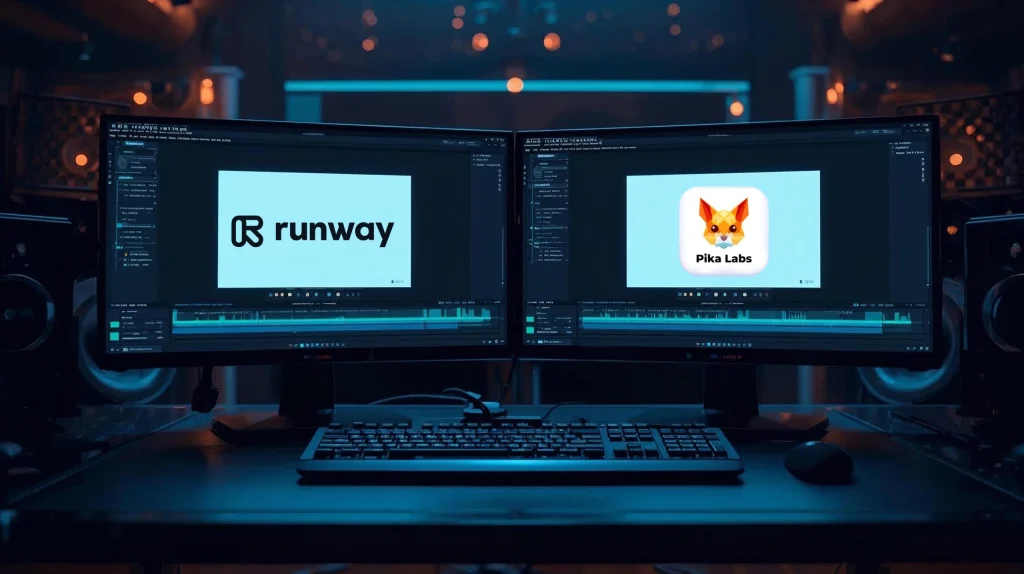
When it comes to video and animation, Runway ML and Pika Labs lead the list of AI tools for creativity. They’ve made tasks that once required editing suites or motion-graphics expertise accessible to anyone who can describe an idea in words. These two tools are redefining how creators produce short films, social clips, and visual effects.
Runway ML is an all-in-one AI video editor used by agencies and solo creators alike. It lets you type a scene description and instantly generate clips with realistic motion and lighting. Its Gen-2 engine converts text, images, or even rough sketches into full video segments. Beyond generation, Runway’s Smart Erase and Generative Fill tools remove objects or extend frames seamlessly — something traditional editors can’t do this quickly. For creators who post often, this means faster turnaround and more polished storytelling.
Pika Labs focuses on animation. It turns still images into short, dynamic loops or camera-pan scenes, creating motion that feels cinematic but stays lightweight. You can upload an artwork or Midjourney render, describe how you want it to move (“slow pan in on subject, soft lighting”), and Pika produces an engaging animation in seconds. Among the most intuitive AI tools for creativity, it’s ideal for TikTok, Reels, or promotional content where visual energy drives engagement.
| Tool | Main Focus | Best For | Key Advantage |
|---|---|---|---|
| Runway ML | Text-to-video & AI video editing | Filmmakers, marketers, content creators | Generates cinematic clips and removes objects with AI precision |
| Pika Labs | AI animation from still images | Animators, storytellers, social video creators | Transforms static art into cinematic motion loops instantly |
Our view: Runway ML and Pika Labs make video creation simple, fast, and incredibly visual. Runway is ideal for long-form editing and production, while Pika is perfect for short-form social content. Combined, they offer a complete AI motion toolkit — bridging speed, quality, and accessibility for modern creators using the best AI tools for creativity.
8. Ethical Insight: AI as a Creative Partner
As we explore more AI tools for creativity , one question always comes up — where does human creativity end and AI begin? The truth is, they’re not competing forces. When used responsibly, AI becomes a creative partner that enhances imagination, not one that replaces it.
The main ethical challenge is authorship. AI tools like Midjourney, Runway ML, and Pika Labs generate outputs based on vast datasets of existing content. That’s why creators should remain aware of how these models are trained and ensure they use platforms that follow transparent, copyright-safe practices. For example, Canva AI and Leonardo AI include clear licensing terms confirming that users retain ownership of generated designs — a positive move toward fair use and accountability.
At AI Digital Space, we believe responsible creativity means staying in control of your ideas. AI should help you create faster, explore broader, and execute better — but never define your unique vision. These AI tools for creativity are most powerful when guided by human values: originality, storytelling, and intent.
So, whether you’re generating images, videos, or music, remember: AI accelerates creativity, but your perspective gives it purpose.
9. FAQ: Common Questions About AI Tools for Creativity 2025
Below you’ll find the most common questions creators ask about the best AI tools for creativity , from licensing to workflow. Each answer is simple, practical, and based on the most up-to-date platform information.
Q: Can I use AI-generated images or videos commercially?
A: Yes, most AI tools for creativity such as Canva AI, Leonardo AI, and Runway ML allow full commercial use of your generated content. Always double-check the platform’s licensing terms before publishing, as policies can evolve.
Q: Do these tools replace designers or video editors?
A: No. They simplify production tasks but still depend on your creative direction, taste, and storytelling. AI helps speed things up — it doesn’t replace the human touch.
Q: Which AI tool is best for beginners?
A: Canva AI is the easiest for quick professional designs, while Artbreeder is great for experimenting and inspiration. Both offer free tiers, making them perfect starting points.
Q: Are there copyright risks with AI-generated art?
A: The risk is minimal if you use trusted platforms. Tools like Canva AI, Leonardo AI, and Runway ML clearly state that you own your outputs. Avoid using unlicensed datasets or re-posting other users’ generations.
Q: How can I keep my style consistent across projects?
A: Use tools that let you train or save brand preferences. Leonardo AI supports personalized models, and Canva AI keeps fonts, palettes, and templates for automatic brand consistency.
Q: Which tools work best together for a full creative workflow?
A: Many creators combine Canva AI for design, Midjourney for visuals, Runway ML for video, and Pika Labs for motion. Together they cover the full creative pipeline from idea to delivery.
Q: What’s the ethical way to use AI in creative work?
A: Stay transparent, follow license rules, and credit where it’s due. These AI tools for creativity are meant to enhance originality — not to replace it.