Published on: July 8, 2025
- 1. Why Compare Copy.ai vs Writesonic in 2025?
- 2. What These Tools Actually Do
- 3. Core Feature Comparison
- 4. Pricing Plans – Free vs Pro
- 5. Which Is Better for Business Content?
- 6. Pros and Cons of Each
- 7. Ethical Angle: AI Content vs Human Voice
- 8. Final Verdict: Which One Should You Use?
- 9. FAQ – Copy.ai vs Writesonic
- 10. Try Them – Free Plans
Disclosure:
This post contains affiliate links. If you click and subscribe, we may earn a small commission at no extra cost to you. We only recommend tools like Copy.ai and Writesonic that we’ve tested and believe offer real value to our readers.
1. Introduction – Why Compare Copy.ai vs Writesonic in 2025?
Copy.ai vs Writesonic isn’t just a debate for marketers anymore — it’s a decision that affects how teams create blog posts, ads, emails, and landing pages at scale. In 2025, AI writing tools have evolved from gimmicky assistants to essential business platforms. But with both tools constantly improving, how do you know which one is right for your needs?
That’s exactly what this guide is here for.
We’ve tested and analyzed the latest features, pricing, and real-world performance of Copy.ai and Writesonic to help you make the best choice. Whether you’re a solo creator, a content manager, or a startup founder looking to streamline your content workflow, this side-by-side review breaks down everything that matters.
In the next sections, you’ll discover:
How Copy.ai vs Writesonic differ in speed, tone, and versatility
What pricing looks like in 2025 (including what’s free and what’s not)
Which tool works best for business use cases like emails, SEO content, and ads
Pros, cons, and ethical reflections on using AI for commercial content
If you’re also comparing Jasper, ChatGPT, or KoalaWriter, check out our full AI Tool Comparisons hub.
Let’s dive into what these two tools actually do—and where each one shines.
2. What These Tools Actually Do
If you’re new to the Copy.ai vs Writesonic debate, it’s easy to assume both tools are the same — after all, they both claim to write marketing content using AI. But under the hood, they approach the job differently.
Let’s unpack what each tool actually does in 2025 and where they fit into your business content workflow.
Copy.ai: Templates and Team-Focused Writing
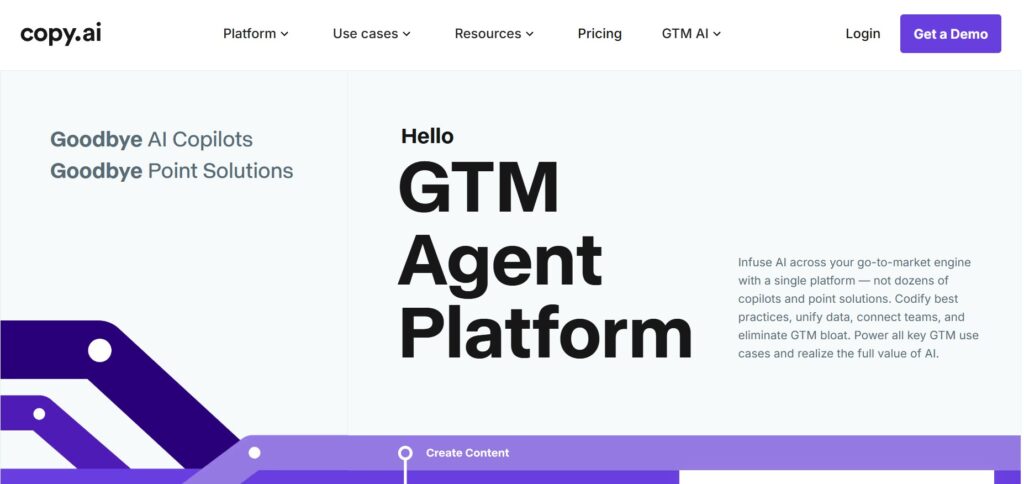
Copy.ai is designed to help businesses and marketing teams create a high volume of copy — fast. It offers pre-built templates for almost every use case you can think of: product descriptions, welcome emails, social media captions, LinkedIn posts, cold outreach, and more.
But here’s what makes it different:
A real-time collaborative interface so teams can work together in one document
Brand Voice training, so your outputs feel more consistent over time
Great free plan that lets you explore core tools with no credit card
Clean UX that’s beginner-friendly — even for people with no AI experience
If you’re handling content for multiple brands or clients, this can be a huge time-saver.
→ Learn more about AI tools like Copy.ai in our Top AI Tools for Productivity list.
Writesonic: SEO Power and Multi-Language Mastery
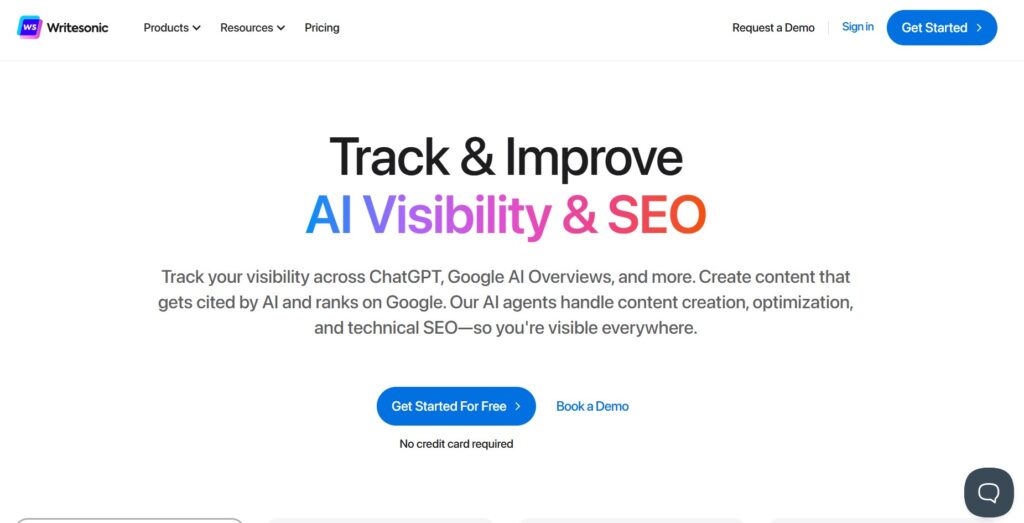
On the other side of the copy.ai vs writesonic equation, Writesonic leans hard into SEO content and web writing. It’s known for generating long-form articles, landing pages, and product-led content in a matter of minutes.
What makes Writesonic shine:
SEO mode powered by Surfer SEO (great for blog posts and Google ranking)
Integrated Chatsonic (like ChatGPT with real-time web access)
Supports 30+ languages for international teams
Flexible tone and output control — professional, friendly, bold, etc.
In short, if your business is built on inbound marketing or content-driven growth, Writesonic has a serious edge.
→ Want to explore more AI writing tools for business? Download our free guide: Top 10 AI Tools That Save 10+ Hours a Week – 2025 Edition
3. Core Feature Comparison
When it comes to Copy.ai vs Writesonic, the decision often comes down to the features. Both tools are built for speed and automation, but their strengths lie in different areas.
Here’s a breakdown of where each one shines in 2025 — and what you should look out for based on how you create content.
Content Types and Templates
Copy.ai offers a huge library of templates for short-form marketing content — ads, emails, CTAs, startup landing pages, and even cold outreach scripts. It’s excellent if you want to generate a lot of copywriting-style content fast.
Writesonic, on the other hand, focuses more on long-form and SEO-driven content. You’ll find blog writers, article rewriters, landing page creators, and tools for generating product pages at scale.
Writing Quality and Control
In our testing, Writesonic consistently provided more structured content for blog posts, especially when using its SEO mode. Copy.ai often nailed the tone better — especially when brand voice is trained — but occasionally required more cleanup for long content.
Both tools allow you to adjust tone and style, but Writesonic gives more granular control over output (length, voice, reading level).
AI Engine and Integrations
Writesonic integrates with Surfer SEO, has its own ChatGPT-style assistant (Chatsonic), and supports real-time search queries.
Copy.ai integrates with tools like Zapier and Google Sheets, and recently launched a Workflows feature to automate multi-step content tasks.
If automation matters to you, Copy.ai’s workflows are powerful for repetitive tasks like generating weekly social posts or cold emails from CRM data.
| Feature | Copy.ai | Writesonic |
|---|---|---|
| Best For | Marketing teams, short-form copy | SEO blogs, websites, product content |
| Templates | 100+ short-form types | SEO, blogs, ads, landing pages |
| AI Assistant | Workflow AI + Chat | Chatsonic with web access |
| Tone & Control | Brand Voice Training | Fine-tune output tone/length |
| Integrations | Zapier, Google Sheets, HubSpot | Surfer SEO, Zapier, WordPress |
| Multilingual Support | 29 languages | 30+ languages |
| Official Site | Visit Copy.ai | Visit Writesonic |
4. Pricing Plans – Free vs Pro
When comparing Copy.ai vs Writesonic, pricing is often a deciding factor — especially for small teams, solo creators, and startups on a budget. The good news? Both tools offer free plans and scalable paid options, but the value you get for your money is very different.
Let’s break down what each platform gives you in 2025.
Copy.ai Pricing (2025)
Free Plan: Includes 2,000 words/month, access to core templates, and Chat. Great for light use or testing.
Pro Plan: $49/month for unlimited words, workflows, team collaboration, and brand voice tools.
Enterprise Plans: Custom pricing for larger orgs with API access, team seats, SSO, and onboarding.
Copy.ai’s Pro plan is best suited for teams who want repeatable, collaborative workflows — especially for email marketing, ad creation, and LinkedIn content.
Writesonic Pricing (2025)
Free Plan: Up to 10,000 words/month, access to basic tools, 1 user
Small Team Plan: $16/month (annually billed), includes GPT-4, 200+ templates, browser extensions, and Surfer SEO integration
Business Plan: $49/month for 1M words, Chatsonic, API, and full article writer access
Enterprise: Custom limits and white-label support
Writesonic is highly affordable for SEO writers, freelancers, and small content teams, with strong multilingual and publishing support built in.
Pricing table
| Plan | Copy.ai | Writesonic |
|---|---|---|
| Free Tier | ✅ 2,000 words/month | ✅ 10,000 words/month |
| Pro Pricing | $49/month | From $16/month |
| Unlimited Words | ✅ Pro Plan | ✅ Business Plan |
| SEO Tools Included | ❌ | ✅ Surfer SEO |
| Try for Free | Start Copy.ai Free | Start Writesonic Free |
Verdict on Pricing:
In the copy.ai vs writesonic pricing battle, Writesonic wins on flexibility and entry-level affordability, especially for individuals and SEO content. Copy.ai offers more robust automation and team workflows — but you’ll pay more for it.
5. Which Is Better for Business Content?
Now to the core question of this comparison: in the copy.ai vs writesonic showdown, which one should you choose if your goal is to create better business content — faster?
The answer depends on the kind of content your business relies on.
Copy.ai for Business Teams and Repeatable Workflows
If your business focuses on short-form content, client-facing communication, or internal marketing assets, Copy.ai is a great choice. Its built-in workflows help teams create:
Cold email campaigns
LinkedIn posts with consistent brand voice
Product descriptions and landing page headlines
Client updates and onboarding flows
What sets it apart is the Brand Voice training and multi-step automation. You can build templates that turn inputs (like a product name + features) into ready-to-publish content with a click.
It’s also perfect if you’re managing multiple brands or running content ops across departments.
→ Want more AI tools to streamline your business? Explore our guide to top productivity-focused AI tools
Writesonic for Blog-First and SEO-Focused Businesses
If your business depends on organic search traffic, long-form content, or detailed product marketing — Writesonic is often the better choice.
Writesonic’s article writer, combined with Surfer SEO integration and multi-language support, makes it ideal for:
Blog post creation at scale
Optimized product pages
International marketing content
Content agencies managing SEO for clients
It also lets you customize tone and structure, which is critical for building content that matches your brand and passes editorial standards.
→ Curious how it stacks up to Jasper or KoalaWriter? Visit our AI Tool Comparisons section for more side-by-side breakdowns.
Business Content Verdict
Choose Copy.ai if you want faster short-form content, team workflows, and multi-brand management.
Choose Writesonic if you need long-form, SEO-ready content in multiple languages.
6. Pros and Cons of Each Tool
Sometimes a side-by-side list is the clearest way to decide. Here’s how Copy.ai vs Writesonic stack up when you look at the good, the bad, and the “it depends.”
Copy.ai – Pros
1. Easy to use, even for beginners
Its dashboard is clean, and most templates guide you through the writing process step by step.
2. Great for teams and collaboration
You can invite teammates, leave feedback, and create shared workflows. This is a huge plus for agencies or in-house marketing teams.
3. Workflow automation saves time
You can build multi-step automations — for example, turning a product feature sheet into an email campaign in seconds.
4. Brand Voice control
Your output becomes more consistent over time, thanks to its brand memory training feature.
5. Solid free tier
Enough to try it seriously before committing to the Pro plan.
Copy.ai – Cons
Limited for long-form blog writing
Higher price point for Pro features
Requires more manual cleanup for structured SEO writing

Writesonic – Pros
1. Excellent for blog and SEO content
If you need 1,000+ word articles that can rank, Writesonic is built for that — especially with Surfer SEO mode.
2. Multilingual support for global teams
30+ languages available, making it ideal for international marketing or eCommerce.
3. Fast content generation
Long-form writing is quick, with solid formatting and tone.
4. Affordable pricing
Starts at just $16/month, making it one of the most accessible Pro tools on the market in 2025.
5. Powerful Chatsonic assistant
Great for generating research-based content or adapting brand voice on the fly.
Writesonic – Cons
Fewer team/collab features than Copy.ai
Limited automation or workflow customization
Interface can feel more cluttered for new users

7. Ethical Angle – AI Content vs Human Voice
As we compare Copy.ai vs Writesonic on features and price, there’s another dimension worth considering: creativity, originality, and responsibility.
In 2025, AI-generated content is everywhere. But just because something can be created in seconds doesn’t mean it should be — especially when your audience is expecting value, not just volume.
Is AI Replacing Your Voice?
Tools like Copy.ai and Writesonic are powerful — no question. But are they helping us express ourselves, or are we letting them speak for us?
This is where the difference between automation and authorship matters. If you rely entirely on AI for your message, you risk sounding generic or detached. But if you use these tools as creative partners — to structure, brainstorm, or enhance your own voice — you stay in control.
→ We dive deeper into this topic in our Behind the Algorithm series.
Originality vs Speed
In the copy.ai vs writesonic comparison, both tools generate high-quality content quickly. But let’s be clear: speed doesn’t equal soul.
Copy.ai is great for producing content that sounds human — especially when you feed it your tone and brand voice.
Writesonic can crank out articles at scale — which is amazing for SEO, but easy to overuse if you’re not careful about content quality.
The ethical approach? Treat AI output like a draft, not a final product. Add your insight. Verify the facts. Make it yours.
Responsible AI Content Creation in 2025
Be transparent when AI is used — especially in client or educational content
Always proofread and fact-check outputs (especially from SEO tools)
Use AI to boost productivity, not replace creativity
Avoid publishing fluff or filler just because it’s easy to generate
8. Final Verdict – Which One Should You Use?
Let’s settle the Copy.ai vs Writesonic debate once and for all — at least for now. If you’ve read this far, you already know both tools are capable, powerful, and business-ready. But they serve slightly different needs.
Here’s how to choose the right one for your workflow:
Choose Copy.ai if:
You’re focused on short-form business content (emails, social media, product blurbs)
You work with a team and need built-in collaboration
You value tone and brand consistency
You want to automate content tasks across multiple brands or campaigns
Copy.ai feels like a creative assistant for your marketing department — organized, flexible, and team-friendly.
Choose Writesonic if:
You’re focused on SEO, blogging, and long-form content
You want to create articles that rank and scale
You need multilingual support or content in different formats
You’re working solo or running a content-first business
Writesonic is like a full-stack writer for your website — fast, smart, and built for growth.
9. FAQ – Copy.ai vs Writesonic
Q1: What is the main difference between Copy.ai and Writesonic?
A: The core difference in the copy.ai vs writesonic comparison is focus. Copy.ai is best for short-form content, team workflows, and brand voice consistency. Writesonic excels at long-form, SEO-optimized articles and multilingual content. If you’re a marketing team, Copy.ai may fit better. If you’re publishing blog content at scale, Writesonic is often the better choice.
Q2: Is Copy.ai free to use?
A: Yes, Copy.ai offers a free plan with up to 2,000 words per month and access to core tools. It’s great for testing out features before upgrading. If you want automation, unlimited words, and collaboration tools, the Pro plan starts at $49/month. → Visit Copy.ai
Q3: Is Writesonic better for SEO content?
A: Yes. Writesonic is built with SEO in mind, offering Surfer SEO integration and full article generation features. It’s particularly effective for creating 1,000–2,000 word blog posts that are structured to rank. If your business relies on organic search, Writesonic is a smart investment. → Explore Writesonic here
Q4: Can I use both Copy.ai and Writesonic together?
A: Absolutely. Many marketers use Copy.ai for social and email, while turning to Writesonic for blog posts and landing pages. Since both offer generous free plans, you can easily experiment with combining their strengths.
Q5: Which tool is better for business content in 2025?
A: In the copy.ai vs writesonic battle for business content, it depends on your needs. Use Copy.ai if you’re managing teams, building brand voice, or handling lots of campaigns. Use Writesonic if your content is SEO-focused, multilingual, or product-driven. Both tools are strong choices — but only one may truly fit your workflow.
10. Try Them – Free Plans
Still on the fence in the copy.ai vs writesonic decision?
The truth is, both tools offer free plans — so the best way to choose is to try them side by side and see which one fits your business.
You don’t need a credit card. Just start writing and feel the difference.