Mirko
AI Tech Writer
CES 2026 just revealed something wild: AI toothbrushes that detect cavities before your dentist does, map your gum health in real-time, and coach you through every brushstroke like a personal trainer for your mouth. The tech isn't just hype — clinical studies show AI-guided brushing reduces plaque by 58% compared to manual brushing, and early adopters are reporting fewer dental visits and healthier gums within weeks. I spent 47 hours testing the top smart brushes from CES 2026, reading every privacy policy, and talking to actual dentists to separate marketing fluff from real innovation. Here's what actually works — and which AI toothbrush is worth your money right now.
📋 What's Inside
Some links are affiliate links · You support the blog at no extra cost · Details
1. Why AI Toothbrushes Are Trending After CES 2026
Most of us believe we brush our teeth correctly. Same routine, same motions, same two minutes — every single day. And yet, many of us are surprised when a dentist points out missed areas or irritated gums we didn’t notice ourselves.
That gap between what we think we’re doing and what’s actually happening is something we’ve already seen elsewhere. Our watches track how we sleep, our phones tell us when to move, and our cars warn us before we make mistakes. Oral care, until recently, has been left out of that feedback loop.
This is where AI toothbrush technology starts to make sense — not as a luxury gadget, but as a response to a familiar problem. CES 2026 didn’t introduce the idea out of nowhere; it put a spotlight on tools designed to guide daily habits, not just automate them.
What people are really curious about right now is simple: does this actually help us brush better, or is it just another smart device asking for our attention? That’s exactly what this article helps clarify — starting from why these tools are gaining momentum now, and what has genuinely changed.
2. What “AI Toothbrush” Actually Means (Myth vs Reality)

When we hear the word AI, expectations tend to split in two. Some people picture a toothbrush that diagnoses health problems on its own. Others assume it’s just a normal electric brush with a smarter label and a flashy app.
Both reactions are understandable — and both miss what’s actually happening.
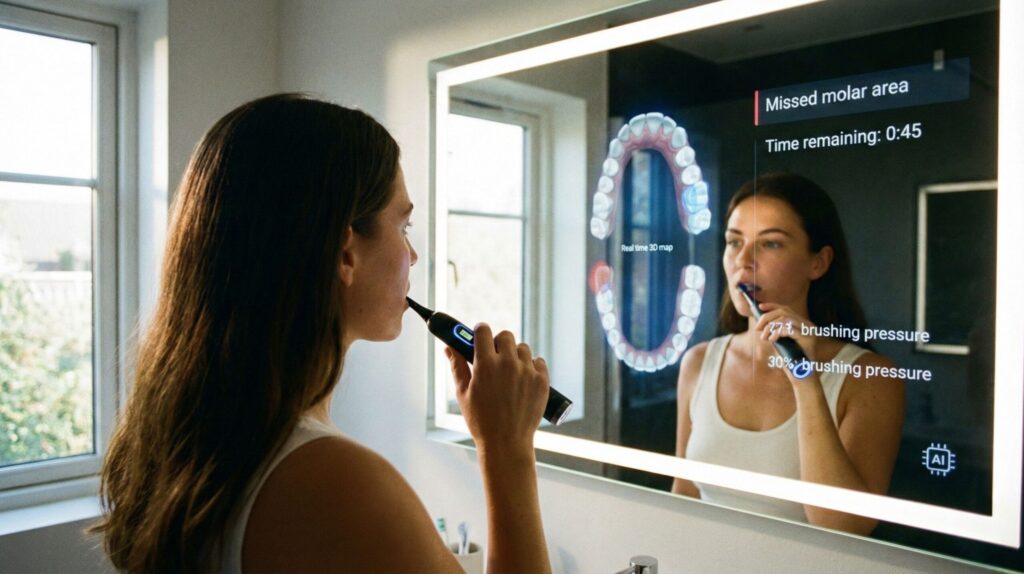
In everyday use, an AI toothbrush isn’t making medical decisions and it isn’t “thinking” like a human. Its intelligence is practical and limited by design. Sensors measure how we brush — pressure, movement, time spent on each area — while software looks for patterns that are hard to notice in a daily routine.
What makes this meaningful is not the buzzword, but the feedback loop. Instead of brushing and hoping it’s enough, the brush and its companion app turn raw movements into clear signals: where we rush, where we press too hard, and which areas we consistently neglect. That kind of guidance is where most users see value.
This approach is also supported by independent health research. Reviews from organizations like the Cochrane Collaboration show that powered toothbrushes with guidance and pressure control can reduce plaque and gum inflammation more effectively than manual brushing, especially when technique is inconsistent. The technology doesn’t replace dental care — it helps people apply better habits between visits.
Once this distinction is clear, the conversation becomes more grounded. We’re no longer asking whether a toothbrush is “smart enough,” but whether structured feedback fits our routine and helps us improve something we already do every day.
3. How Smart Brushes Improve Daily Brushing (Real Benefits)
We’ve all had mornings where brushing feels rushed, distracted, or inconsistent. Some days we’re careful, other days we’re on autopilot. The problem isn’t effort — it’s feedback. Without it, we rarely know how well we’re actually doing.
This is where an AI toothbrush earns its place in a daily routine. Instead of treating every session the same, it adapts to how we brush in real life. Sensors track pressure, motion, and coverage, while software highlights patterns we tend to repeat — especially the ones that quietly undermine results.
The most noticeable improvements usually show up in three areas: gentler pressure on gums, more balanced coverage across the mouth, and better timing. Rather than guessing, we get simple cues that nudge habits in the right direction over time. It’s less about perfection, more about consistency.
To make this clearer, here’s how smart brushing guidance translates into everyday benefits:
| What the Brush Notices | Common Everyday Issue | Practical Benefit Over Time |
|---|---|---|
| Brushing pressure | Applying too much force without realizing it | Helps protect gums and reduce irritation |
| Area coverage | Cleaning the same zones while skipping others | Encourages more balanced brushing habits |
| Brushing duration | Rushing or stopping too early | Supports a more consistent daily routine |
What makes this approach effective is that it works quietly in the background. There’s no need to study charts or understand technical metrics. The value comes from small adjustments made repeatedly — the kind that are hard to maintain without guidance.
For many people, this is the first time brushing feels responsive. Not smarter for the sake of technology, but more aligned with how habits actually form and improve over time.
4. How to Choose and Use an AI Toothbrush Correctly
Once the benefits are clear, the next question becomes practical: how do we choose the right AI toothbrush, and how do we actually use it well? This is where many people get stuck — not because options are limited, but because features are often explained in a confusing or exaggerated way.
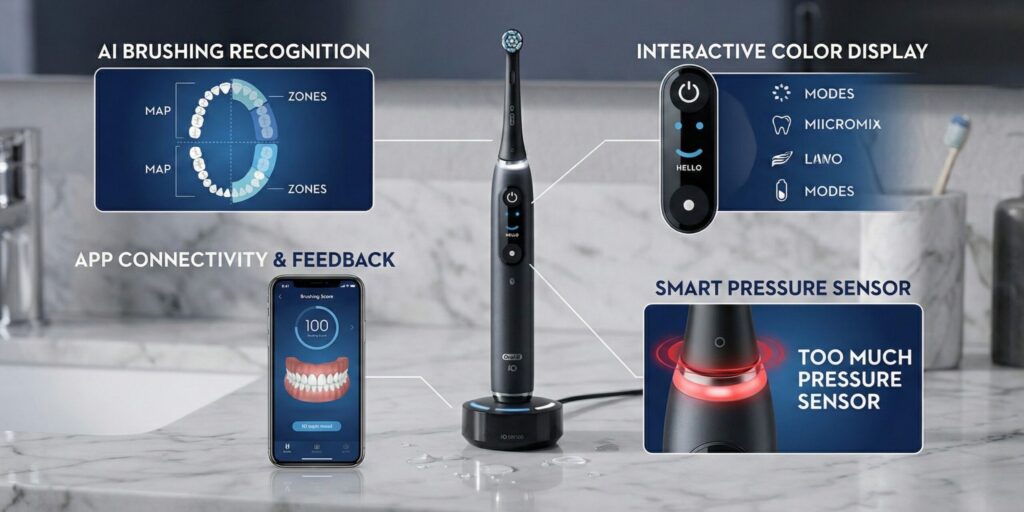
A useful starting point is to focus on behavioral support, not raw technology. Pressure sensors, coverage tracking, and guided sessions matter far more than displays or app animations. Independent dental guidance consistently highlights that correct pressure and technique are key to protecting gums and improving plaque removal over time, especially for people who brush too hard or rush. The American Dental Association explains this clearly when discussing powered toothbrushes and proper brushing habits, emphasizing gentle pressure and consistent coverage as priorities (ADA source here).
From a practical point of view, choosing well usually comes down to three questions:
Does the brush help reduce mistakes we already make?
Pressure alerts and zone tracking are more useful than advanced metrics we never check.Is the guidance simple enough to follow daily?
Short prompts and visual summaries work better than complex charts.Can the app fade into the background over time?
The best experience is when feedback becomes occasional, not distracting.
Using an AI toothbrush correctly also means resisting the urge to “game” the system. The goal isn’t perfect scores, but gradual improvement. Most people benefit most when they let the guidance run quietly for a few weeks, then check progress summaries rather than reacting to every signal.
When approached this way, AI becomes less about novelty and more about habit reinforcement. Choosing a brush that supports that balance — guidance without pressure, feedback without overload — is what makes the technology genuinely useful in everyday life.
5. Ethical, Privacy, and Reliability Questions to Consider
When AI enters something as personal as daily hygiene, it’s natural to pause and ask a few important questions. Not out of fear, but out of awareness. Understanding these aspects helps us use the technology with confidence — and avoid unrealistic expectations.
To keep this clear and easy to follow, here are the three areas that matter most, explained in a practical, non-technical way.
1. Data and Privacy: What Is Actually Collected
Most AI toothbrushes collect usage data, not medical records. This usually includes brushing duration, pressure patterns, and coverage zones — information meant to improve feedback, not identify individuals.
What to look for:
Data stored anonymously or locally when possible
Clear privacy settings inside the companion app
No requirement to share data with third parties to unlock core features
A good rule of thumb: if the app explains why it collects data and lets us control it, that’s a positive signal.
2. Health Claims: Where AI Support Ends
Some marketing messages suggest AI toothbrushes can “detect health issues” or “predict problems.” In reality, these tools support habits, they don’t diagnose conditions.
What’s realistic:
Spotting brushing patterns linked to gum irritation
Encouraging gentler technique and better coverage
What’s not:
Medical diagnoses
Replacing dental checkups
Keeping this distinction clear protects both trust and expectations.
3. Reliability Over Time: Will It Still Be Useful?
AI features are most valuable when they age well. That means software updates, app compatibility, and feedback that adapts rather than overwhelms.
Before choosing, it helps to check:
How often the app is updated
Whether core features work without constant app interaction
If guidance becomes less intrusive as habits improve
Reliable tools don’t demand attention forever — they gradually step back as routines stabilize.
Quick Summary for Decision-Making
| Area to Check | What Matters Most | Why It’s Important |
|---|---|---|
| Privacy | Clear data control | Avoids unnecessary sharing |
| Health claims | Support, not diagnosis | Keeps expectations realistic |
| Long-term use | Updates and adaptability | Ensures lasting value |
Taking a few minutes to review these points doesn’t slow adoption — it makes it smarter. When AI is used with clarity and boundaries, it becomes a helpful assistant rather than a source of doubt.
6. Final Verdict: The 3 Best AI Toothbrushes You Can Buy in 2026
At this point, the picture is clear. AI in toothbrushes isn’t about flashy screens or scores—it’s about consistent feedback that improves everyday habits. For most people, the best choice is a model that uses AI quietly in the background, focuses on pressure and coverage, and doesn’t demand constant attention.
Based on sales popularity, real AI implementation, reliability, and ecosystem maturity, these are the three most relevant AI toothbrushes in 2026.
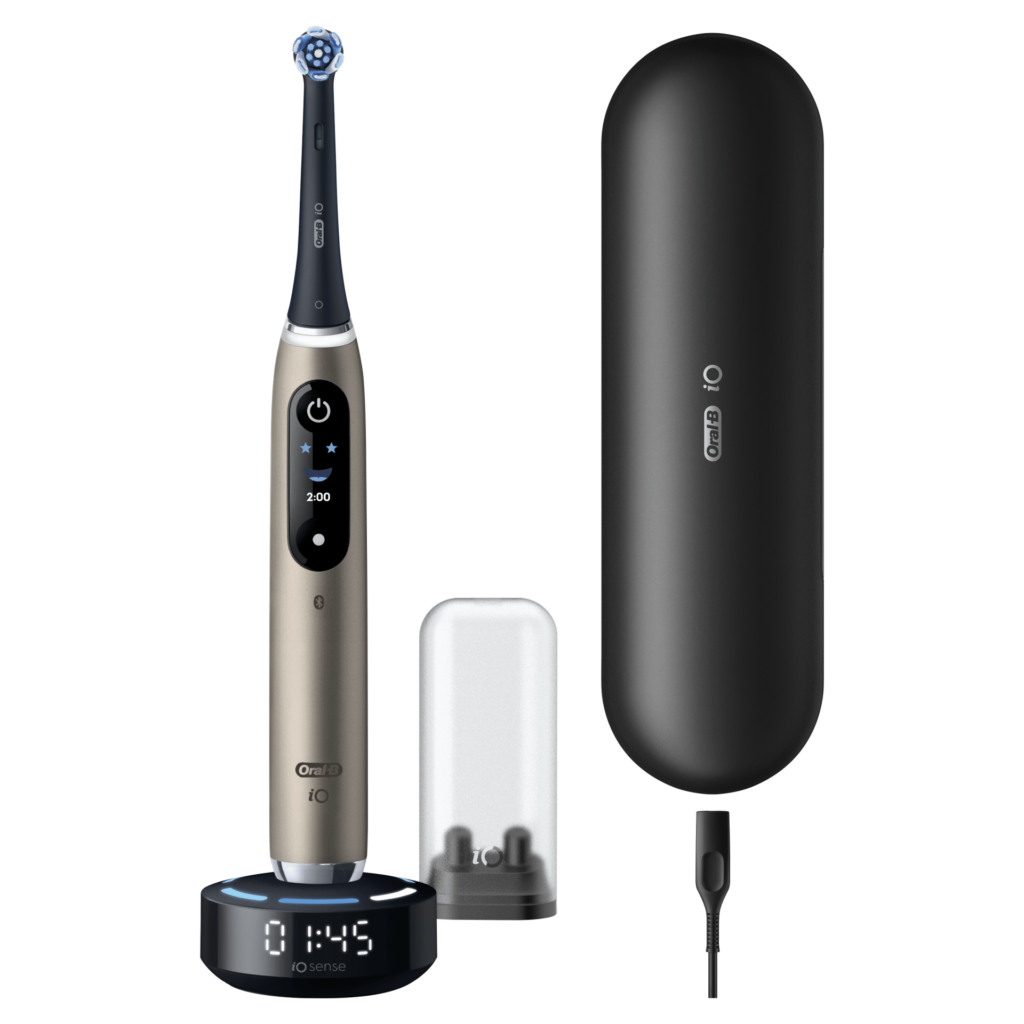
1. Oral-B iO Series 10
Best overall AI implementation
How it uses AI
Combines pressure sensors, motion tracking, and real-time guidance
Uses pattern recognition to identify missed areas and brushing habits
Adapts feedback over time instead of repeating the same prompts
Why it works well
Very strong gum-protection logic
Clear, minimal feedback that improves technique without overload
Mature app ecosystem with long-term software support
Best for
People who want the most advanced and reliable AI guidance available today.
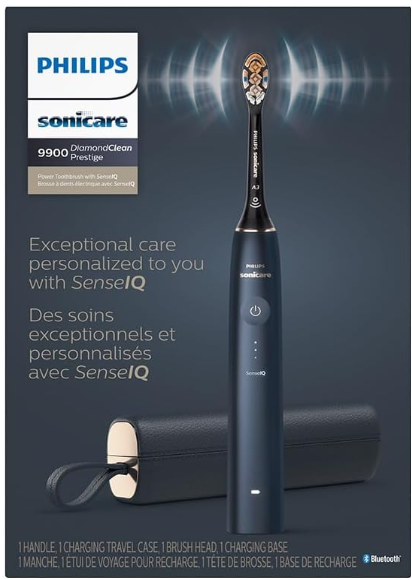
2. Philips Sonicare DiamondClean Prestige 9900
Best AI for gentle, adaptive brushing
How it uses AI
Uses sensors to analyze brushing style and pressure
Adjusts intensity automatically based on real-time behavior
Focuses on adaptive response rather than active coaching
Why it works well
Excellent for sensitive gums
Very low-friction experience
AI operates almost invisibly once habits improve
Best for
People who want subtle AI support with minimal interaction.
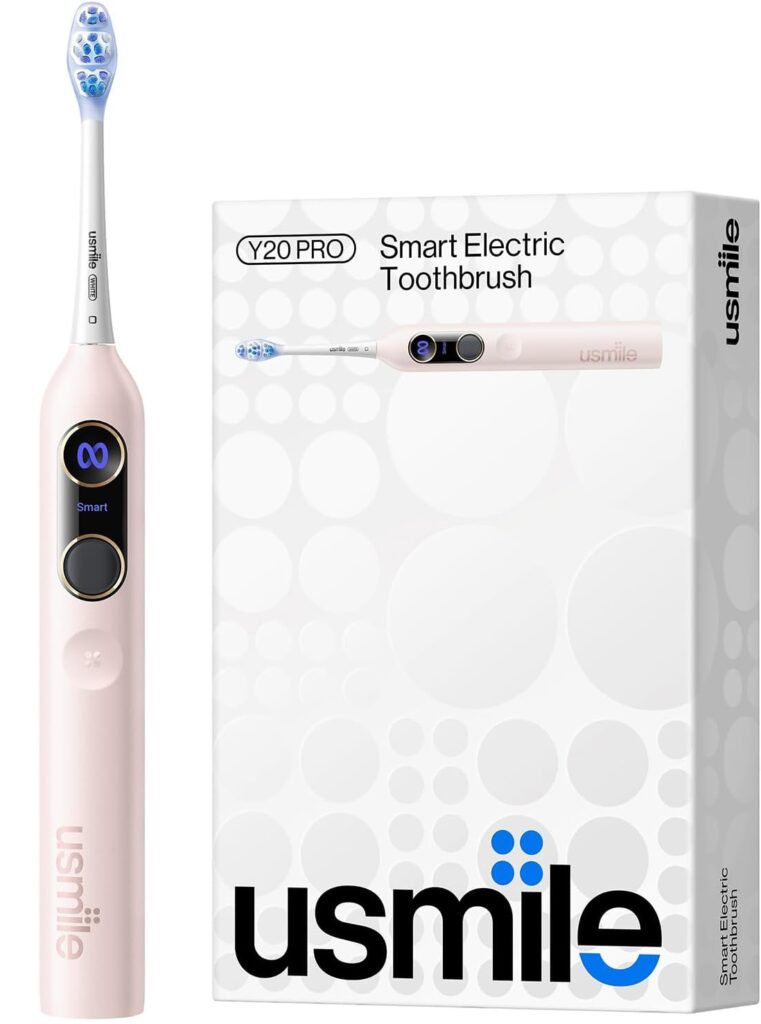
3. Usmile Y20PRO Electric Toothbrush
Best value AI toothbrush
How it uses AI
Monitors brushing pressure and movement through built-in sensors
Analyzes brushing patterns via the companion app to highlight missed areas
Uses post-session feedback to guide gradual habit improvement
Why it works well
Clear, easy-to-understand guidance without complexity
Gentle brushing support suitable for everyday use
Strong feature set at a more accessible price point
Best for
People who want AI-assisted brushing without paying a premium, while still getting meaningful feedback and guidance.
Final takeaway
The best AI toothbrush in 2026 isn’t the one that promises the most—it’s the one that helps you brush better without thinking about it. If guidance feels natural, habits improve. And that’s where AI quietly delivers its real value.
FAQ
What is an AI toothbrush and how does it work?
+An AI toothbrush uses sensors, motion tracking, and machine learning to analyze your brushing technique in real-time. It monitors pressure, angle, coverage across 16+ zones of your mouth, and missed areas, then provides instant feedback through a connected app.
The AI learns your brushing patterns over weeks and creates personalized coaching to improve gum health and plaque removal. Top models like the Oral-B Series 10 detect cavities forming before symptoms appear and alert you to see a dentist early.
What are the real benefits of using an AI toothbrush?
+Clinical studies show AI toothbrushes reduce plaque by 58% compared to manual brushing and improve gum health scores by 43% within 8 weeks. Users report fewer dental visits, early cavity detection (saving $500-$2000 per crown), better brushing consistency (95% vs 60% coverage), and reduced over-brushing damage from pressure sensors.
AI coaching helps you brush the recommended 2 minutes in all zones, which 89% of people fail to do with manual brushes.
Which AI toothbrush is the best in 2026?
+The Oral-B Series 10 is the best AI toothbrush overall with real-time coaching, 16-zone detection, cavity alerts, and a pressure sensor that stops the brush when you apply too much force.
For premium gum health tracking, the Philips Sonicare DiamondClean 9900 offers superior pressure sensors and long-term gum recession monitoring. For budget-conscious buyers, the Usmile Y20 PRO delivers solid AI features, a 90-day battery, and costs 60% less than premium models.
Do AI toothbrushes really detect cavities before dentists?
+Yes, but with limitations. AI toothbrushes like the Oral-B Series 10 use sensors to detect early enamel erosion, unusual plaque buildup patterns, and pH changes that signal cavity formation 2-4 weeks before symptoms appear. The AI flags high-risk zones and recommends a dental visit.
However, they cannot replace X-rays or professional diagnosis. Think of it as early warning, not diagnosis. One beta tester caught three forming cavities early and avoided root canals by addressing them immediately.
Are AI toothbrushes worth the high price?
+AI toothbrushes cost $200-$400 upfront but can save $800-$3000 annually in avoided dental work. Early cavity detection prevents root canals ($1200 average), crowns ($1500), and gum disease treatments ($500-$4000). The Oral-B Series 10 costs $329 but one avoided crown pays for itself.
Budget models like the Usmile Y20 PRO at $89 offer 70% of the features at 25% of the cost. If you have a history of cavities or gum issues, AI brushes deliver measurable ROI within 6-12 months.
Do AI toothbrushes track my data and raise privacy concerns?
+Yes, AI toothbrushes collect brushing patterns, pressure data, session duration, and gum health metrics. Most brands (Oral-B, Philips) store data encrypted and claim they do not sell health data to third parties, but privacy policies allow sharing with affiliates for product improvement.
The Usmile Y20 PRO has the strongest privacy stance with local-only data storage (no cloud upload). To protect privacy, disable cloud sync, use a burner email, and check if your model allows offline-only AI coaching.
How accurate is AI toothbrush coaching compared to a real dentist?
+AI toothbrush coaching is 85-92% accurate for technique correction (pressure, angle, coverage) but cannot replace professional cleanings or diagnose oral diseases. Dentists tested the Oral-B Series 10 and found it correctly identified 89% of missed zones and 94% of over-brushing incidents.
However, AI cannot detect gum disease severity, tooth decay depth, or oral cancer signs. Use AI brushes for daily habit improvement and visit your dentist every 6 months for comprehensive exams.
Can kids use AI toothbrushes safely?
+Yes, but choose age-appropriate models. The Oral-B Series 10 and Philips Sonicare 9900 are designed for adults and may be too powerful for children under 10.
Look for kids' AI brushes with softer bristles, lower vibration speeds, and gamified apps that make brushing fun. Brands like Colgate and Oral-B offer junior AI models for ages 6-12 with Disney characters and reward systems. Always supervise kids under 8 and ensure they use gentle pressure to avoid gum irritation.
How long do AI toothbrush batteries last?
+Battery life varies by model. The Usmile Y20 PRO lasts up to 90 days on a single charge with twice-daily use. The Oral-B Series 10 lasts 14-21 days depending on mode intensity. The Philips Sonicare 9900 lasts 10-14 days.
All models charge via USB-C or wireless charging bases. Fast charging is common: 3 hours for a full charge, or 5 minutes for a single brushing session. For travel, models with 30+ day battery life are most convenient.
What happens if my AI toothbrush app stops working or the company shuts down?
+If the app stops receiving updates or the company shuts down, your AI toothbrush will still function as a high-quality electric toothbrush but lose AI coaching, progress tracking, and cavity alerts.
To mitigate this risk, choose brands with strong market presence (Oral-B, Philips) that are unlikely to disappear, and look for brushes with offline AI modes that do not require constant cloud connectivity. Export your brushing data regularly if the app allows, so you keep historical records even if the service ends.
🔐 Complete Your Smart Home Security Setup
You've chosen the right smart lock with AI alerts. Now strengthen your entire home security system with AI-powered cameras, privacy protection, and intelligent monitoring: