
Mirko
AI & Wearable Tech Reviewer · Tested all 3 models hands-on
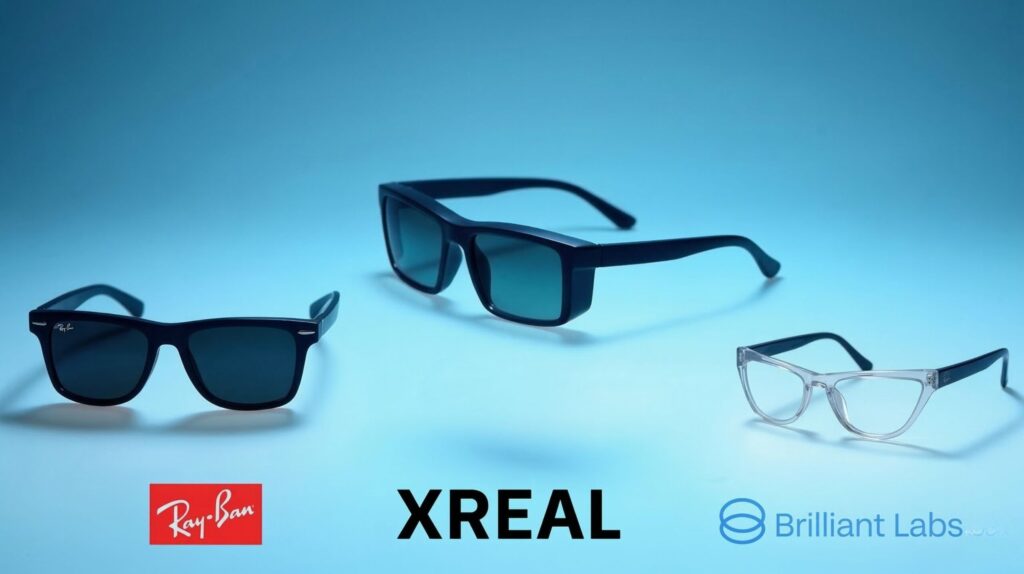
AI smart glasses are finally here — but which ones are actually worth your money? I've spent weeks testing Ray-Ban Meta, XREAL One Pro, and Brilliant Labs Halo in real-world scenarios. Here's my honest breakdown to help you pick the right pair.
📑 In This Article
Some links are affiliate links · You support the blog at no extra cost · Details
1. Why AI Smart Glasses Are Everywhere Now
AI smart glasses aren’t just another futuristic gadget — they’ve become one of the most searched wearables on Amazon and tech sites right now. After years of promises, companies are finally delivering models that feel useful, stylish, and surprisingly affordable. That’s why the hype around devices like Ray-Ban Meta, XREAL One Pro, and Brilliant Labs Halo has exploded recently.
But why AI, and why on glasses? The answer is simple: glasses are the perfect place for AI to live. Unlike phones or watches, they sit at eye level. You can look, ask, and get answers instantly — without pulling a device from your pocket. AI makes this possible by combining visual recognition (what you see) with natural language processing (what you ask). That’s why features like Meta’s “Look and Ask” or XREAL’s AI-enhanced displays feel like the first real step toward everyday augmented reality.
Let’s be realistic though. While these gadgets are exciting, they raise new questions about privacy and everyday use. Are we ready to walk around with glasses that can record, translate, and overlay information in real time? This is one of those moments where technology feels magical — but also a little unsettling. As users, it’s up to us to balance the benefits with awareness. (And if you’re shopping online, make sure you know how to spot AI-generated product reviews before buying.)
From our perspective, this category is worth watching closely. We’ve already reviewed other AI wearables that made daily life easier, but smart glasses feel like a bigger leap. They mix fashion with function — and that’s why TikTok creators, mainstream outlets, and search trends are all paying attention.
Bottom line: AI smart glasses are trending not because they’re futuristic toys, but because they’re starting to answer real needs — hands-free AI help, quick information, and seamless everyday integration. And that’s exactly why they’re everywhere right now.
Don't want to read long reviews? Here's a quick shortlist of the AI smart glasses trending most right now — the ones making headlines, going viral on TikTok, and getting strong visibility on Amazon and in tech news.
Ray-Ban Meta
Most PopularThe most mainstream option available. They look like normal Ray-Bans but come packed with Meta's AI assistant. The "Look and Ask" feature lets you point your gaze and get instant information — the easiest choice if you want smart glasses that blend into everyday life.
Best for: Everyday use & mainstream appealMeta confirmed a display model is coming soon — source
XREAL One Pro
AR PowerhouseThe newest star of the AR scene. These glasses don't just connect to your phone — they give you a 120Hz Sony micro-OLED display right in front of your eyes. Perfect for movies, gaming, or even extending your laptop screen. Early reviews highlight a major leap in brightness and clarity.
Best for: Entertainment, gaming & productivityHalo by Brilliant Labs
New ReleaseA brand-new release that caught our attention for its ultra-thin, AI-first design. Unlike the others, Halo is built around being a lightweight personal assistant. Developers can even build custom functions — which is why they've been buzzing on Twitter and tech blogs since launch.
Best for: Early adopters & developersThese three aren't just "gadgets." They show us how the line between fashion and AI tech is fading. AI smart glasses are finally becoming something you'd actually wear in public — not just a prototype or niche toy.
Specs overload? We get it. This table cuts through the noise — compare Ray-Ban Meta, XREAL One Pro, and Brilliant Labs Halo side by side. Features, prices, and what each does best. Find your match in 30 seconds.
| Model | Best For | Key Features | Price | Buy |
|---|---|---|---|---|
|
🕶️
Ray-Ban MetaMost Popular |
Everyday use, social sharing |
|
$299+ Multiple styles | Check Price |
|
🎮
XREAL One ProAR Powerhouse |
Movies, gaming, productivity |
|
$599+ Premium tier | Check Price |
|
🤖
Halo by Brilliant LabsNew Release |
Early adopters, developers |
|
$399 Direct only | Check Price |
Ray-Ban Meta
Most PopularXREAL One Pro
AR PowerhouseHalo by Brilliant Labs
New Release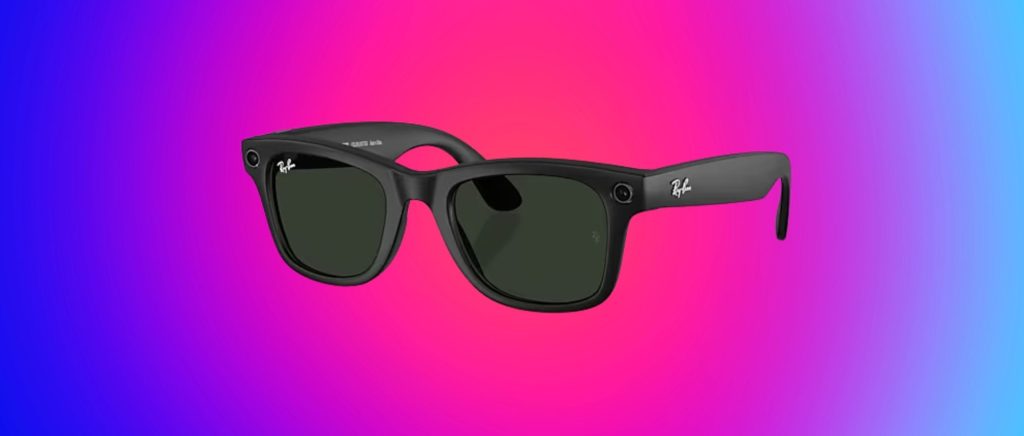
4.1 Ray-Ban Meta
Type: Everyday AI Smart Glasses
Key Specs:
- Qualcomm Snapdragon AR1 Gen1 processor
- Dual 12MP cameras
- Open-ear speakers + 3-mic array
- Capacitive touchpad control
AI Features:
- Meta AI with “Look and Ask” — point, ask, get answers
- Voice + image multimodal interaction
- Livestream directly to Instagram/Facebook
Price: From $299
Why It’s a Top Pick: Ray-Ban Meta nails the balance between iconic style and practical AI. You get hands-free information, social capture, and voice control — all in frames that look like regular sunglasses. Already widely available and trusted by mainstream users.
What People Say: Reviewers praise how natural and stylish they feel. The AI is discreet, not gimmicky — which is why Ray-Ban Meta remains one of the most practical smart glasses you can actually wear daily.
✓ Pros
- Iconic Ray-Ban design — looks like regular sunglasses
- Meta AI with "Look and Ask" for instant answers
- Great for social sharing (photo/video capture)
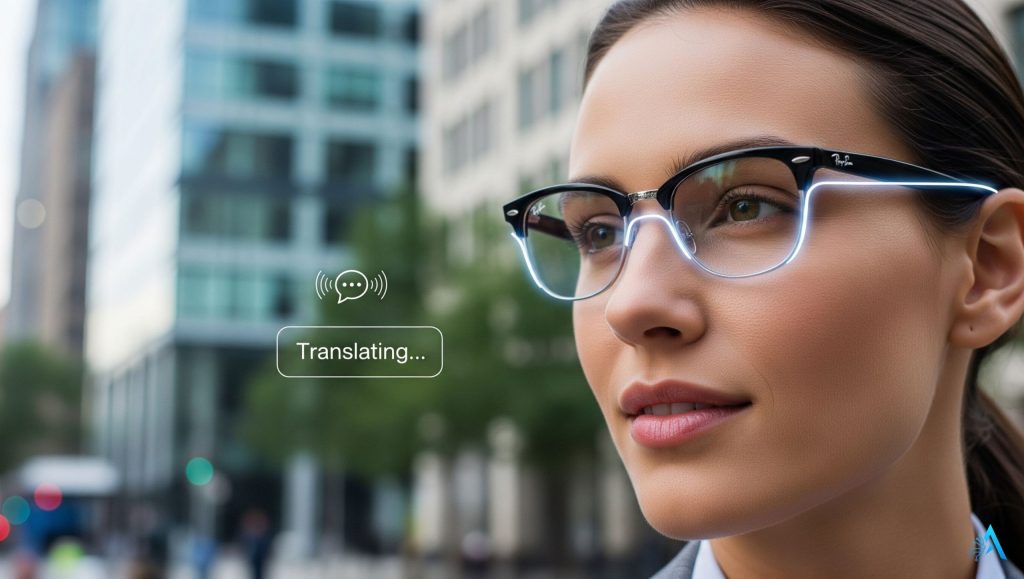
- Hands-free translation and voice interaction
- Widely available on Amazon and official stores
✗ Cons
- No AR display yet (standard lenses only)
- Battery lasts a few hours under heavy use
- Privacy concerns with always-ready cameras
- Best features require Meta ecosystem
⚠️ Privacy Note
Wearing AI glasses in public raises questions — bystanders may not know when they're being recorded. Use responsibly and check local laws before recording.
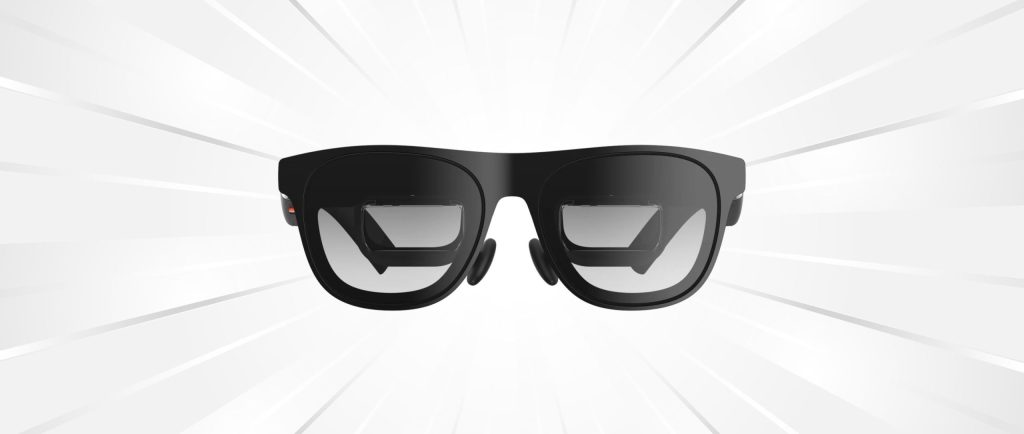
Type: High-Performance AR Display Glasses
Key Specs:
- 0.55″ Sony micro-OLED display
- 120Hz refresh rate, ~700 nits brightness
- XREAL X1 spatial computing chip
- 57° field of view, 3ms latency
- Bose-tuned open-ear audio
Display Modes:
- Anchor Mode — screen stays fixed in space
- Follow Mode — screen moves with your head
Price: From $599 (pre-order)
Why It’s a Top Pick: XREAL One Pro turns your field of vision into a private cinematic screen. Perfect for movies, gaming, or extending your laptop display on the go. The clarity and brightness represent a real leap forward for AR wearables — no smartphone-level compromises here.
What People Say: Reviewers highlight the immersive visuals and audio quality. For entertainment, travel, or focused productivity, having a private 120Hz screen in front of your eyes is a genuine game-changer.
✓ Pros
- Stunning 120Hz Sony micro-OLED display
- 700 nits brightness — usable in most lighting
- Ultra-low 3ms latency for gaming
- Bose-tuned spatial audio built-in
- Works as portable monitor for laptop/phone
✗ Cons
- No built-in AI assistant
- Requires compatible device to function
- Higher price point ($599)
- Not ideal for outdoor daytime use
💡 Use Case Note
XREAL One Pro is built for immersive entertainment and productivity — not everyday AI assistance. Best suited for gaming, movies, and extending your screen on the go.
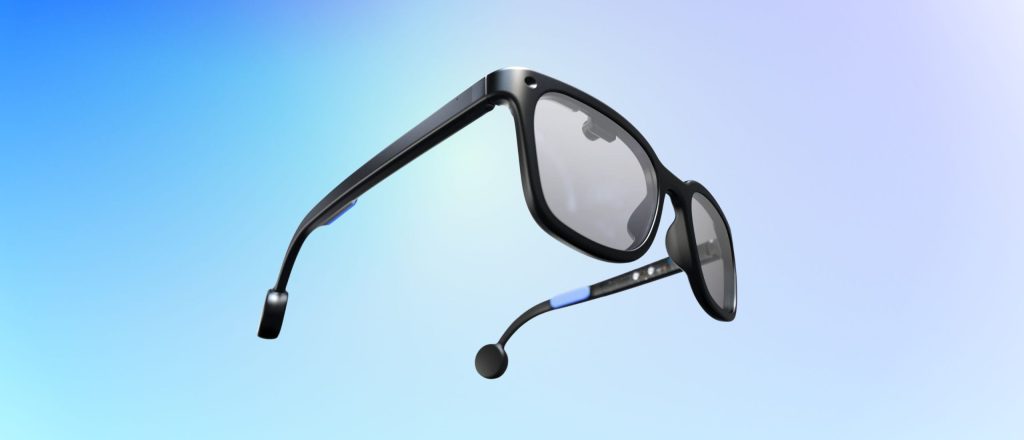
Type: Lightweight, AI-First Smart Glasses
Key Specs:
- Full-color micro-OLED display
- Bone-conduction speakers
- Low-power camera + integrated NPU
- Ultra-thin frame — just 40g
AI Features:
- Noa — built-in AI assistant
- Narrative Memory — remembers people, places, and events for you
- Vibe Mode — generate custom apps using your voice
- Open-source design for developers
Price: $299 (pre-orders open, shipping late 2025)
Why It’s a Top Pick: Halo is the thinnest AI smart glasses on the market — and the most personal. Unlike competitors focused on display or social features, Halo is built around adaptive AI that learns and remembers. The open-source approach invites developers and curious users to make it truly their own.
What People Say: Early reviews praise the memory features — “the glasses will remember names of people you meet” — and the featherlight comfort. Vibe Mode’s voice-to-app builder stands out as uniquely creative, making Halo feel less like a gadget and more like a personal AI companion.
✓ Pros
- Ultra-lightweight at just 40g
- AI-first design with Noa assistant
- "Narrative Memory" remembers people and events
- Vibe Mode lets you create apps with voice
- Open-source and developer-friendly
✗ Cons
- Brand-new — limited real-world reviews
- Smaller display than competitors
- Shipping late 2025 (not available yet)
- Less mainstream support than Meta
🔓 Developer Note
Halo's open-source approach means you can customize and build on it — but also means early adopters may encounter bugs. Ideal for tinkerers and AI enthusiasts, not plug-and-play users.
5. How AI Smart Glasses Actually Work
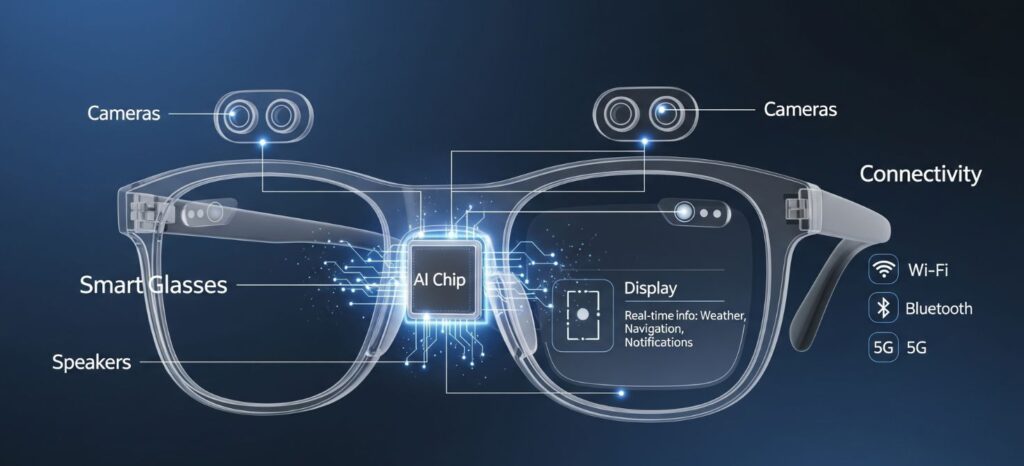
AI smart glasses may look like a normal pair of frames, but underneath they pack the same power as a small computer. Here’s a simple breakdown of how they work — and why they’re suddenly everywhere.
1. Cameras and Sensors
Tiny cameras capture what you see in real time. Some models, like Ray-Ban Meta, let you snap photos or activate “Look and Ask” so the AI understands your context instantly. Others, like Halo, use a front-facing sensor mainly for recognition and memory features — remembering faces, places, and conversations.
2. AI Processing
This is where the magic happens. A built-in processor (like Qualcomm’s AR1) runs AI models that analyze your questions, the images in front of you, or the audio you’re hearing. This enables real-time translation, object recognition, and instant summaries of what you’re looking at. If you’re curious how these AI models work under the hood, we covered how multimodal AI is changing everyday tech in a recent deep dive.
3. Displays (or No Displays)
Not all AI smart glasses use screens — and that’s by design:
- Ray-Ban Meta keeps things simple: no AR visuals, just audio feedback through hidden speakers. Pure voice-first interaction.
- XREAL One Pro goes full visual AR with micro-OLED displays that project a cinema-style screen right in front of your eyes.
- Halo finds the middle ground, offering a minimal display mainly for AI notifications and feedback.
4. Connectivity
Most models connect via Bluetooth or Wi-Fi to your phone. That’s how they stream data, sync apps, and tap into cloud AI for smarter responses. But here’s the shift: newer devices are moving toward on-device AI — which means faster replies, better privacy, and less dependence on your phone. This trend mirrors what we’re seeing across AI-powered earbuds and other wearables.
5. Everyday Use Cases
This is where it gets practical:
- Navigation — subtle directions without holding your phone
- Productivity — live captions, real-time translation, reminders
- Entertainment — Netflix on the go with AR cinema (XREAL)
- Social — quick content sharing to Instagram or TikTok (Ray-Ban Meta)
- Memory — AI that remembers names and conversations for you (Halo)
Why Now?
The rise of AI smart glasses isn’t random. Hardware finally caught up — chips are small and powerful, displays are bright enough for daylight, and AI models are efficient enough to run on wearables. At the same time, people want technology that feels natural. Instead of staring at phones, glasses promise a hands-free, eyes-up experience.
From our perspective, this is why the hype is justified. These devices feel like a bridge between today’s smartphones and tomorrow’s AR world. They aren’t perfect yet — battery life and privacy remain real concerns — but for the first time, they feel like something you’d actually use daily.
Want to go deeper? We also explored how to spot AI-generated product reviews — useful when shopping for trending tech like this.
6. Pros & Cons People Ask About
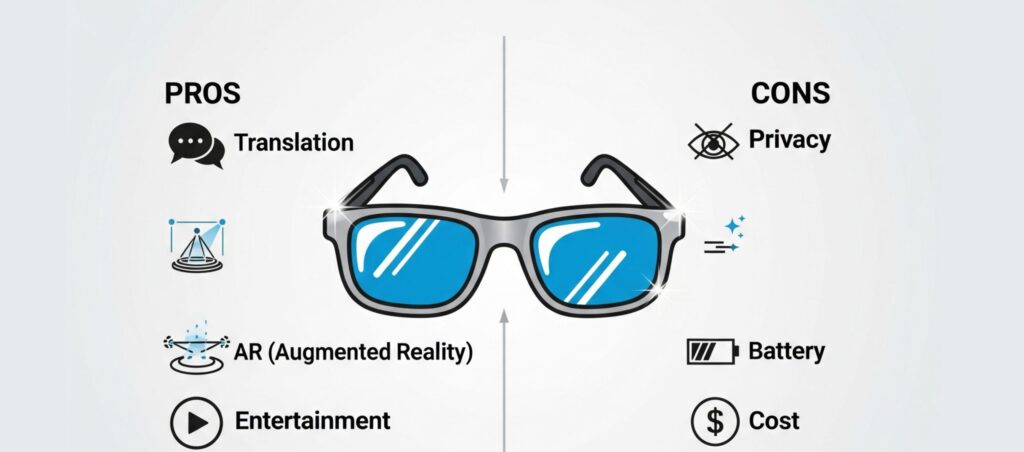
Whenever a new tech trend takes off, people want to know two things: what’s great about it, and what could go wrong. With AI smart glasses, that question is even more important, because these devices touch daily life, privacy, and even fashion. Here’s the big picture:
So, are AI smart glasses worth it? Like any emerging tech, they come with trade-offs. Here's an honest breakdown of what works, what doesn't, and what you should consider before buying.
✓ What We Like
- Hands-free AI access — translation, Q&A, reminders without touching your phone
- Real AR displays — models like XREAL offer cinema-quality screens for work and entertainment
- Actually wearable — lightweight, stylish designs you won't be embarrassed to wear daily
- Creator-friendly — instant photo/video capture for content on the go
- Growing ecosystem — regular software updates keep adding new features
✗ What Needs Work
- Battery life — expect 3-4 hours under heavy use, then back to the charger
- Privacy perception — cameras and mics can make people around you uncomfortable
- Premium pricing — $299 to $599 is steep compared to other wearables
- Phone dependency — most advanced features still require smartphone connectivity
- Early-stage tech — long-term value depends on software updates and ecosystem growth
💡 Our Take
AI smart glasses have finally crossed the line from "cool experiment" to "actually useful." Ray-Ban Meta is the safest bet for mainstream users. XREAL One Pro is unbeatable for entertainment. And Halo is the one to watch if you want AI that truly adapts to you. The tech isn't perfect — but it's good enough to use daily, and that's a first.
⚠️ Privacy Reminder
Recording features and AI memory can collect data about others without their knowledge. Always respect privacy, be transparent when recording, and check local regulations before using in public spaces.
7. Who Should (and Shouldn’t) Buy AI Smart Glasses
Not every gadget is for everyone. The truth is, AI smart glasses can feel magical for some users, but unnecessary for others. Here’s a simple breakdown of who will get the most value right now — and who may want to wait.
 Who Should Consider Buying
 Who Should Consider Buying
Students & Learners
If you’re constantly absorbing information, smart glasses with translation and real-time captions can be game-changing. Imagine sitting in class or traveling abroad and having instant translations right in your ear.Content Creators & Social Media Users
Ray-Ban Meta is already viral because creators can capture content hands-free. If TikTok or Instagram is part of your routine, these glasses cut the gap between idea and upload.Professionals & Remote Workers
XREAL One Pro gives you a private AR display — perfect if you want a second (or third) screen without carrying extra monitors. It’s like turning any café or hotel room into a workspace.Tech Enthusiasts & Early Adopters
Halo by Brilliant Labs is clearly for those who love to try things first. If you enjoy testing AI tools before the mainstream, this model is designed for you.
Who Might Want to Wait
 Who Might Want to Wait
Privacy-Conscious Users
If you’re uncomfortable with the idea of cameras or AI assistants always “listening,” these may not feel right just yet.Budget Buyers
With prices ranging from $299 to $649, these glasses are still premium. If you just want AI support, tools on your phone (like ChatGPT) or Notion AI give you similar help at a lower cost.People Expecting a Phone Replacement
Smart glasses aren’t there yet. They’re assistants, not full devices. If you’re hoping to ditch your phone completely, you’ll likely be disappointed.
Our Suggestion
If you’re curious but hesitant, start with Ray-Ban Meta. They’re the most balanced choice — stylish, functional, and widely supported. For creators or professionals, XREAL One Pro makes sense if you want that big-screen AR experience. And if you love being ahead of the curve, Halo is where you’ll experiment.
8. The Ethical Angle – What to Keep in Mind
AI smart glasses aren’t just cool tech — they raise important questions about how we use them in daily life. Here are the main points to stay aware of:
1. Privacy in Public Spaces
These glasses often come with cameras and microphones. That means people around you might not know if they’re being recorded. Respecting others’ privacy is as important as enjoying the tech.
2. Data Collection
AI assistants inside smart glasses may process your voice, location, or even images. Always check the settings and policies. For example, some models keep data locally, while others rely on the cloud. Knowing where your information goes helps you stay in control.
3. Social Acceptance
Even if you’re comfortable wearing them, others might not be. Smart glasses are still new, and people may feel uneasy around them. It’s worth being open about when and why you’re using them — especially in schools, offices, or sensitive settings.
4. Healthy Use
Like with phones, there’s a balance to strike. Using AR displays too long can strain your eyes, and relying too much on AI assistants might reduce your own attention to detail. A little moderation goes a long way.
Our Take
We’re excited by what these devices can do — they feel like the first real step into everyday AR. But the “responsible use” side is what will make them last. The more we adopt smart glasses with respect for privacy, transparency, and balance, the smoother their path into mainstream life will be.
9. FAQ – AI Smart Glasses
Got questions about AI smart glasses? We've answered the most common ones below. Click any question to reveal the answer — and if you need more details, check our in-depth sections above.
Basics
AI smart glasses are wearable devices that combine traditional eyewear with artificial intelligence features. They typically include cameras, microphones, speakers, and processors that enable hands-free AI assistance, voice commands, photo/video capture, real-time translation, and in some models, augmented reality displays.
Think of them as a smartphone you wear on your face — but designed for quick, eyes-up interactions rather than deep focus.
Recommendations
The top AI smart glasses currently are:
Ray-Ban Meta — Best for everyday use and mainstream appeal
XREAL One Pro — Best for AR displays and entertainment
Brilliant Labs Halo — Best for AI-first features and developers
Your best choice depends on whether you prioritize style, display quality, or AI capabilities. See our quick picks section for a detailed comparison.
Pricing
AI smart glasses range from $299 to $599 depending on the model:
• Ray-Ban Meta: From $299
• Brilliant Labs Halo: $299
• XREAL One Pro: $599
Premium features like high-resolution AR displays typically command higher prices. Check our comparison table for full pricing details.
Connectivity
Most AI smart glasses require a smartphone connection via Bluetooth or Wi-Fi for full functionality — including cloud AI processing, app syncing, and data streaming.
However, newer models are moving toward on-device AI, which reduces phone dependency for basic features like voice commands and photo capture. This trend mirrors what we're seeing in AI-powered earbuds and other wearables.
Privacy
AI smart glasses raise legitimate privacy concerns. Cameras and microphones can record without others' knowledge, and AI memory features may store data about people you interact with.
Most models include recording indicators (LEDs), but awareness varies. Always check local laws and be transparent when recording in public spaces. For more on navigating AI-generated content, see our guide on spotting AI-generated reviews.
Battery
Battery life varies by model and usage:
• Ray-Ban Meta: 4-6 hours with moderate use
• XREAL One Pro: 3-4 hours of active AR display
• Brilliant Labs Halo: Similar performance
Heavy use of cameras, AI features, and displays drains battery faster. Most models include charging cases that extend total daily use.
Use Cases
Not yet. Current AI smart glasses complement smartphones rather than replace them. They excel at quick tasks like voice queries, navigation prompts, photo capture, and notifications.
However, they lack the screen size, app ecosystem, and battery life needed for full phone replacement. Think of them as a hands-free extension of your phone — not a replacement.
Tech Explained
AR glasses focus on visual overlays and displays (like XREAL One Pro), projecting digital content into your field of view.
AI smart glasses prioritize artificial intelligence features like voice assistants, real-time translation, and contextual awareness (like Ray-Ban Meta).
Some models, like Brilliant Labs Halo, combine both AR displays and AI-first features — blurring the line between categories.
Ray-Ban Meta
Worth it if: You want AI assistance in a stylish, mainstream-friendly design. They excel at hands-free photo/video capture, Meta AI queries, and social sharing.
Not worth it if: You need AR displays or advanced visual features — they use standard lenses with audio-only AI feedback. For AR visuals, look at XREAL One Pro instead.
Compatibility
Yes — most AI smart glasses support prescription lenses:
• Ray-Ban Meta: Prescription options through authorized retailers
• XREAL: Can be worn over glasses or with prescription inserts
• Brilliant Labs Halo: Designed to accommodate prescription lenses
Check each manufacturer's specifications for exact compatibility and ordering options.
Still have questions? Check our detailed reviews above or explore more AI wearables:
Browse AI Earbuds Guide →10. Final Verdict – Are AI Smart Glasses Worth It?
Are AI Smart Glasses Worth It?
For years, smart glasses felt futuristic or gimmicky. That's changing. With devices like Ray-Ban Meta, XREAL One Pro, and Halo, we're finally seeing models that people actually want to wear daily — not just tech demos, but genuinely useful wearables.
💡 The Bottom Line
AI smart glasses won't replace your phone — not yet. But they're becoming one of the most interesting bridges to the next era of computing: hands-free, eyes-up, and powered by AI. For the first time, smart glasses feel like something you'd actually use in daily life — not just a novelty.
🔒 Before You Buy: Privacy Matters
AI smart glasses collect data constantly — cameras, microphones, and AI memory features raise real privacy questions. Before diving in, make sure you understand what data these devices capture and how to protect yourself. We covered this in depth: How to Stop AI From Reading Your Private Data.
We Want to Hear From You
We're curious — would you actually wear AI smart glasses every day?
Drop your thoughts in the comments below — your feedback helps us (and other readers) understand where this trend is heading. 👇