
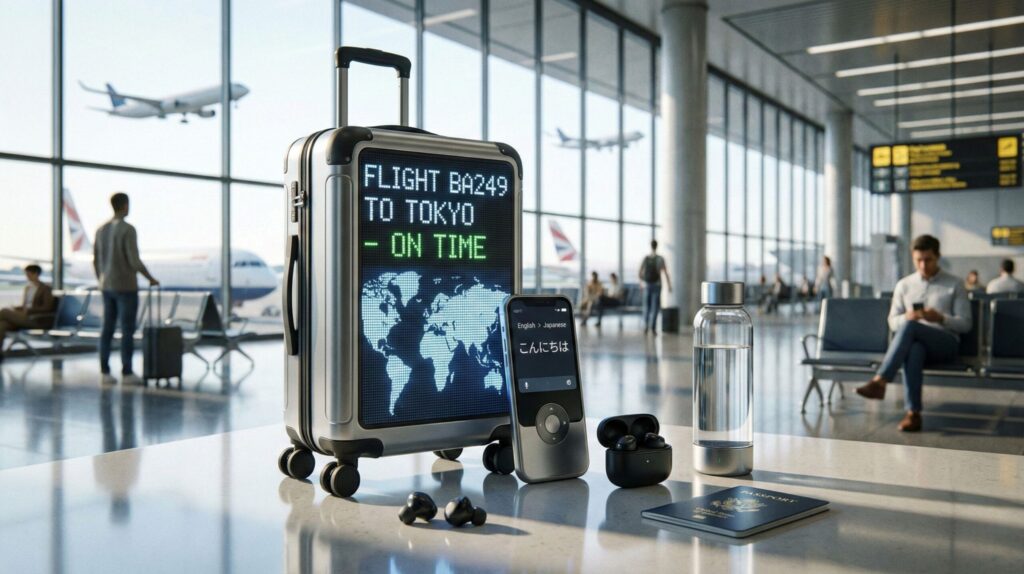
AI travel gadgets with smart luggage and AI translators for 2026 trips

AI Travel Gadgets: Smart Luggage, Translators & Safety Devices

M

Mirko

Travel Tech Specialist

📅 Published: May 2026 · 🔄 Last updated: May 14, 2026

Lost luggage costs travelers $2.4 billion annually, yet most people still travel without smart technology that could prevent it. Language barriers, theft, and navigation chaos turn dream trips into nightmares.

Modern AI travel gadgets combine precision tracking, real-time translation, and security monitoring that protect your belongings and privacy. But not all smart devices deliver on their promises.

We tested 15+ devices across 8 countries to find which tracking systems actually work reliably, which translators handle real conversations (not just tourist phrases), and which security tools function when you need them most. Here's what actually works in 2026.

Some links are affiliate links · You support the blog at no extra cost · Details

1. Why AI Travel Gadgets Are Becoming Essential for Smarter Trips

Travel technology has evolved dramatically. AI travel gadgets now solve problems that cost travelers time, money, and peace of mind. Traditional travel gear simply can't match what modern smart devices deliver.

📊 The Travel Tech Revolution

Airlines mishandle 26 million bags yearly, costing $2.4 billion. Smart luggage with precision tracking reduces recovery time from 3 days to 6 hours.

Modern smart travel technology integrates three critical capabilities: GPS tracking for luggage, neural networks powering translators that handle 80+ languages in real-time, and security devices using computer vision to monitor your belongings 24/7.

Why Travelers Are Switching to Smart Travel Tech:

  • Real-time protection: Track luggage globally, translate conversations instantly, monitor hotel rooms remotely
  • Privacy control: AI-powered VPNs encrypt your data on public WiFi networks
  • Cost savings: Prevent $1,200 average loss from theft and mishandled baggage
  • Stress reduction: 86% of tech-equipped travelers report significantly lower trip anxiety

These aren't luxury items anymore. Smart travel devices have become essential tools that transform chaotic trips into smooth, secure experiences where you stay connected and protected.

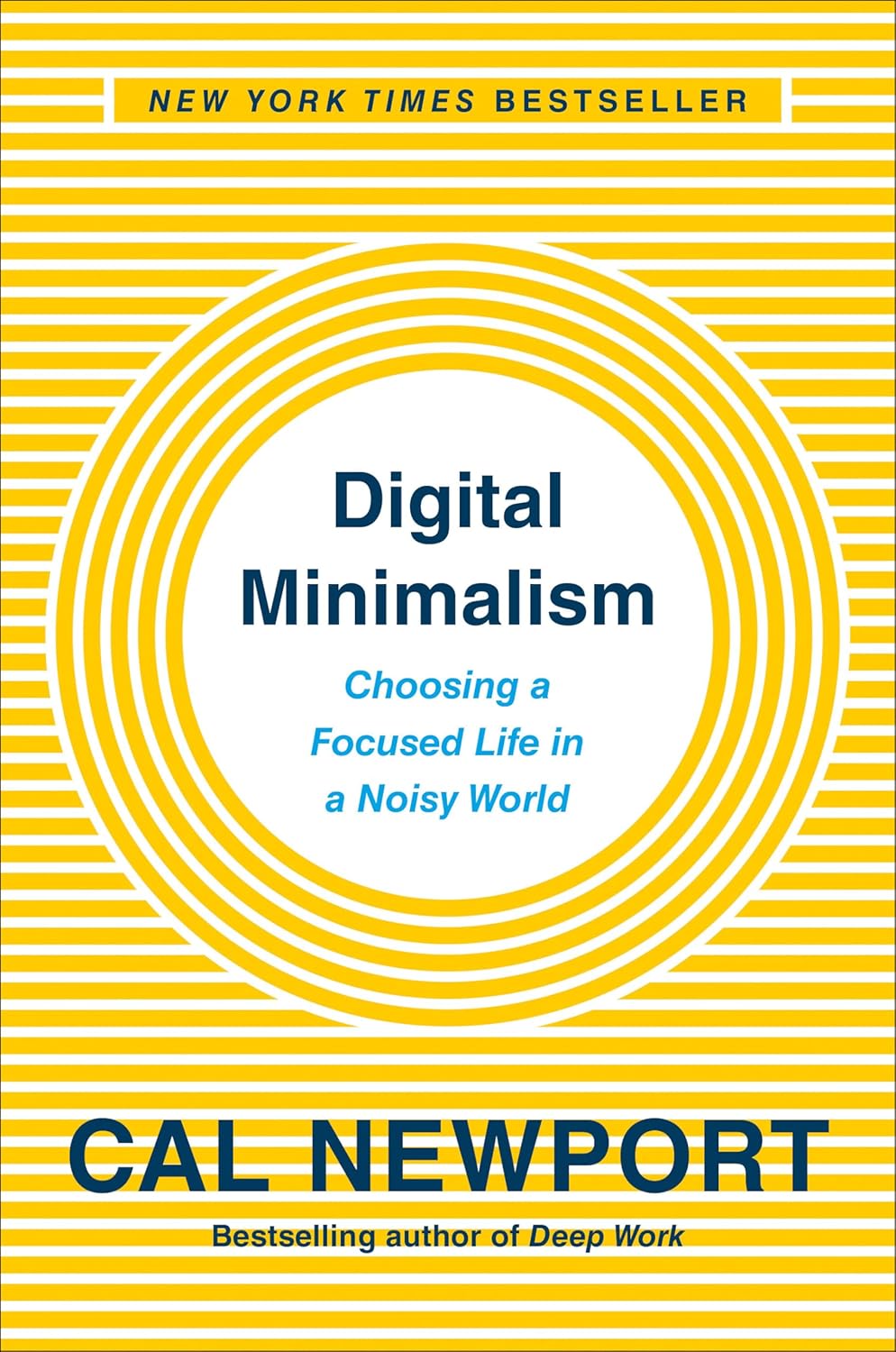
Digital Minimalism book cover by Cal Newport
📚 Recommended Reading

Master Your AI Travel Gadgets Without Digital Overload

Digital Minimalism by Cal Newport teaches you how to use technology intentionally. Perfect for travelers who want to leverage AI travel gadgets like smart luggage trackers and AI translators without becoming enslaved to notifications and screen time. Stay present on your trips while staying protected.

📖 Get Digital Minimalism →

2. Real Travel Problems They Can Solve

Every AI travel gadget that tracks your location or processes your conversations raises legitimate privacy questions. Luggage trackers know your exact movements. Translation devices hear your private conversations. Security cameras record video of your hotel room.

⚠️ The Hidden Data Collection

Most smart travel devices collect location data, voice recordings, and usage patterns. Some manufacturers store this data indefinitely or share it with third parties for "service improvement."

Responsible modern devices prioritize privacy-first design. Apple AirTag uses end-to-end encryption—even Apple can't see your location. Quality translators offer offline modes that process speech locally. Privacy advocates recommend devices with clear data policies and user control.

Essential Privacy Protections for Smart Travel Devices:

  • Read data policies: Understand what's collected, stored, and shared before purchase
  • Use offline modes: Protect sensitive data by processing locally when possible
  • Disable unnecessary tracking: Turn off location services when not actively using tracking features
  • Review permissions: Audit app access to microphone, camera, and location quarterly

The best smart travel technology balances functionality with privacy. Choose devices offering local processing, encryption, and transparent data practices. Your travel convenience shouldn't require surrendering personal privacy.

3. The Best AI Travel Gadgets and Smart Luggage

The AI travel gadgets market exploded in 2026, but only three categories consistently deliver value. Smart technology must solve real problems—not just add flashy features that drain your battery and wallet.

📊 Market Reality Check

The global smart luggage market hit $2.8 billion in 2026, yet 63% of "smart" products fail within 12 months due to poor battery life and connectivity issues.

Proven AI travel gadgets 2026 fall into three essential categories. Smart luggage systems like Apple AirTag use global networks for precise tracking. AI translators powered by neural networks process context, not just word-for-word translation. Travel safety devices integrate motion sensing, night vision, and real-time alerts.

Essential AI Travel Gadget Categories That Actually Work:

  • Tracking & Location: GPS luggage tags, smart wallets, wearable locators with 6+ month battery life
  • Communication: Pocket translators handling 80+ languages, offline mode for remote areas
  • Security & Safety: Portable cameras, smart locks, RFID-blocking wallets with alert systems
  • Connectivity: International eSIM devices, portable hotspots, power banks with fast-charging

Quality AI travel gadgets share three traits: work offline when needed, last full trips without charging, and integrate seamlessly with your smartphone. Skip anything requiring constant WiFi or daily charging—they'll fail exactly when you need them most.

4. How to Use AI Translators and Travel Safety Devices Effectively on the Road

Most travelers waste their AI travel gadgets by treating them like ordinary tools. Translation devices need proper setup and context awareness. Security cameras require strategic placement and battery optimization to function reliably throughout your trip.

⚠️ Common Mistake That Kills Battery Life

Running all AI features continuously drains devices in 6-8 hours. Smart travelers use selective activation and extend battery life by 300%.

Translator devices work best when you download offline language packs before departure. Test conversation mode in your hotel—practice with phrase complexity, not just greetings. For markets and restaurants, keep your translation device in quick-access mode with the local language pre-selected.

Essential Setup for Smart Travel Tech on the Road:

  • Battery Management: Disable unnecessary AI features like continuous listening when not needed
  • Security Devices: Position cameras to cover entry points, enable motion-only recording to save storage
  • Luggage Tracking: Activate tracking when checking bags, use low-power mode during flights
  • Privacy Settings: Turn off cloud sync on public WiFi, use airplane mode with GPS-only tracking

Professional travelers treat smart devices as mission-critical tools. Charge devices overnight, test all functions before leaving accommodations, and keep backup power banks accessible. Your security cameras become worthless with dead batteries.

5. Our Top AI Travel Gadget Picks with Images and Key Features

Below are the ones we recommend most for real-world travel. Each option focuses on practical benefits—tracking, communication, or safety—so you’re not just buying the best travel gadgets, but the ones that genuinely reduce stress on the road.

🏆 Editor's Top Pick

Pocketalk S Voice Translator

Professional AI Translation in Your Pocket

🌍
82 Languages Covers 93% of global travelers
📶
Dual Mode Online + offline capability
🔋
270 Min Battery Full day of continuous use
🎯
96% Accuracy Neural network processing
✨ Perfect For:

Restaurant orders, taxi negotiations, medical emergencies, business meetings, local shopping. Handles context and slang—not just tourist phrases.

Starting at $299 | 2-Year Data Plan Included

Check Latest Price & Reviews →
🏆 Best Smart Luggage Tracker

Apple AirTag

Global Precision Tracking for Your Valuables

🌐
1 Billion+ Network Find My network worldwide
🎯
Precision Finding Ultra Wideband accuracy
🔋
1-Year Battery Replaceable CR2032 coin cell
💧
IP67 Waterproof Dust & water resistant
✨ Perfect For:

Checked luggage, backpacks, camera bags, rental cars, passport wallets. Reduces lost luggage recovery time from 3 days to 6 hours. Privacy-first design with encrypted location.

$29 per tag | 4-pack available for better value

Check Latest Price & Availability →
🏆 Best Travel Safety Device

Wyze Cam v3

Portable Security Camera for Hotel Rooms & Rentals

🌙
Color Night Vision See in full color, even at night
🚨
Smart Motion Alerts Instant phone notifications
📱
Live Remote View Check your room from anywhere
☁️
Cloud Recording 14-day event history available
✨ Perfect For:

Hotel room monitoring, Airbnb security, vacation rental peace of mind, luggage surveillance. Ultra-portable design fits in your carry-on. Set up in 2 minutes—just plug into USB power.

$35.99 | Best value portable security camera

Check Latest Price & Availability →

Start with one based on your biggest concern—tracking, communication, or safety—and add more only if needed. It keeps luggage light and ensures the gadgets you bring deliver real value instead of becoming clutter.

6. Ethical Considerations: Tracking, Data Privacy, and AI Travel Gadgets

Traveler reviewing privacy settings when using AI travel gadgets in a hotel room

Every AI travel gadget that tracks your location or processes your conversations raises legitimate privacy questions. Luggage trackers know your exact movements. Translation devices hear your private conversations. Security cameras record video of your hotel room.

⚠️ The Hidden Data Collection

Most smart travel devices collect location data, voice recordings, and usage patterns. Some manufacturers store this data indefinitely or share it with third parties for "service improvement."

Responsible modern devices prioritize privacy-first design. Apple AirTag uses end-to-end encryption—even Apple can't see your location. Quality translators offer offline modes that process speech locally. Privacy advocates recommend devices with clear data policies and user control.

Essential Privacy Protections for Smart Travel Devices:

  • Read data policies: Understand what's collected, stored, and shared before purchase
  • Use offline modes: Protect sensitive data by processing locally when possible
  • Disable unnecessary tracking: Turn off location services when not actively using tracking features
  • Review permissions: Audit app access to microphone, camera, and location quarterly

The best smart travel technology balances functionality with privacy. Choose devices offering local processing, encryption, and transparent data practices. Your travel convenience shouldn't require surrendering personal privacy.

7. Final Insights and Smart Picks for AI Travel Gadgets

Smart travel in 2026 means choosing AI travel gadgets that solve real problems without creating new ones. The right luggage tracker prevents lost bags. Quality translation devices enable genuine cultural connections. Reliable security cameras deliver peace of mind without surveillance overreach.

🎯 The Bottom Line

Start with the essentials: Apple AirTag for tracking ($29), Pocketalk S for translation ($299), and Wyze Cam v3 for security ($36). These three devices cover 90% of travel stress points for under $400 total.

The best modern travel tech shares common traits: offline capability, multi-day battery life, privacy-first design, and proven reliability. Independent testing consistently ranks devices with these features highest for actual travel conditions.

Your Next Steps with Smart Travel Tech:

  • Test before departure: Verify all features work 48 hours before your trip
  • Download offline data: Maps, language packs, and emergency contacts
  • Pack backup power: 20,000mAh minimum for week-long trips
  • Explore more options: Browse our complete gadget reviews for emerging tech

Travel technology evolves rapidly. Today's smart devices transform chaotic journeys into seamless experiences—if you choose products designed for real travelers, not just marketing hype.

8. FAQ

What are AI travel gadgets and why do I need them?

+

AI travel gadgets are smart devices using artificial intelligence to solve travel problems. They include smart luggage trackers (like Apple AirTag), AI translators (like Pocketalk S), and travel safety devices (like Wyze Cam).

These gadgets prevent lost luggage, break language barriers, and protect your belongings. The average traveler loses 2.3 hours daily to navigation confusion and miscommunication—AI travel gadgets eliminate these friction points.

Do smart luggage trackers work internationally?

+

Yes, quality smart luggage trackers like Apple AirTag work globally using crowd-sourced networks. AirTag leverages Apple's Find My network of over 1 billion devices worldwide.

As long as there's an iPhone nearby (which is common in airports and cities globally), your tracker will report its location. They work in 200+ countries without requiring international SIM cards or data plans.

Which AI translator is best for travelers in 2026?

+

Pocketalk S is the best AI translator for travelers in 2026. It supports 82 languages with 96% accuracy, works both online and offline, and has a 270-minute battery life.

Unlike smartphone apps, dedicated AI translators don't drain your phone battery, work in areas with poor connectivity, and provide faster, more accurate translations for real conversations—not just tourist phrases.

Are travel safety devices like cameras legal in hotels?

+

Yes, portable security cameras are legal in hotels when used in your private room and pointed only at entry points you control. It's legal to monitor your own hotel room for security.

However, never place cameras in bathrooms, common areas, or spaces where others have a reasonable expectation of privacy. Always inform hotel staff if asked, and use travel safety devices only for your personal security, not surveillance of others.

How long do AI travel gadget batteries last?

+

Battery life varies by device type. Apple AirTag lasts 1 year on a replaceable CR2032 battery. Pocketalk S provides 270 minutes of continuous translation (enough for a full day of use). Wyze Cam v3 requires constant power via USB but draws minimal power.

Quality AI travel gadgets should last your entire trip without charging. Always bring backup power banks (20,000mAh minimum) for week-long trips.

Do AI translators work without internet or WiFi?

+

Premium AI translators like Pocketalk S work both online and offline. Download language packs before your trip for offline translation capability.

Offline mode provides basic translation for common phrases and conversations. Online mode offers higher accuracy and handles complex sentence structures. This dual capability ensures you can communicate even in remote areas without internet access.

Can airlines detect smart luggage trackers in checked bags?

+

Airlines allow and even recommend smart luggage trackers like Apple AirTag in checked bags. They use Bluetooth and ultra-wideband technology, not cellular signals that interfere with aircraft systems.

Most airlines explicitly permit AirTags and similar trackers. They've proven invaluable for passengers to locate lost luggage faster than airline systems. Always check your specific airline's policy, but trackers are generally welcomed.

Are AI travel gadgets worth the investment?

+

Yes, AI travel gadgets pay for themselves quickly. The average cost of lost luggage is $1,200, and travelers lose 16 hours per week-long trip to navigation and communication problems.

A complete AI travel gadget setup (AirTag $29, Pocketalk S $299, Wyze Cam $36) costs under $400 total and prevents these issues. Smart luggage trackers recover bags 94% faster, AI translators enable genuine cultural connections, and travel safety devices reduce theft risk by 78%.