
What is a family safe word?
A family safe word is a private phrase that proves a caller is who they say they are. You agree on it in person, keep it offline, and ask for it whenever a call, text or video chat asks for money, codes or secrecy. If the person can't say it, you hang up and call them back.
The idea is old. Families used code words for school pickups long before AI. What changed is that hearing the voice is no longer proof. The FBI now lists a secret family word or phrase as one of its first defenses against AI-powered fraud in its public service announcement on generative AI.
A family safe word works because it attacks the one thing a scammer can't download: shared knowledge that was never online. A clone can copy pitch, accent and crying. It can't copy a phrase that only exists in your family's heads.
💡 Listening for a "robotic" voice is not a plan. Asking for the word is.
How do AI voice-clone scams work?
A scammer takes a few seconds of someone's voice from a video or voicemail, runs it through a cloning tool, then calls a relative with a fake emergency. Caller ID can be spoofed to look familiar. The script always pushes urgency, secrecy and a payment that's hard to reverse.
Figures from McAfee's Artificial Imposter research (7,054 adults in 7 countries). I couldn't find a newer study with the same scope.
The three ingredients
1. A voice sample. Short clips from Reels, TikToks, YouTube or a voicemail greeting are enough. McAfee found more than a dozen free cloning tools online during its research.
2. A believable story. A car crash, an arrest, a hospital bill, a lost phone abroad. The FTC's family emergency alert describes the classic version: a panicked grandson who needs bail money and begs you not to tell his parents.
3. A payment you can't claw back. Wire transfers, crypto and gift cards, which the FTC flags as signs of a scam, plus cash handed to a "courier" at your door.
💡 The emotion is the weapon. A family safe word gives a scared brain one simple job: ask, then wait.
How do I set up a family safe word in 5 steps?
Generate a random two-to-four-word phrase, tell each person face to face, agree that whoever answers the call asks for it and never says it first, run one practice call, and change it every six to twelve months. The whole setup takes about five minutes per family.
- Generate a random phrase. Use the kit above. Random words beat anything meaningful, because meaningful things leak online.
- Share it in person. At dinner, on a visit, or on a video call you placed yourself. Not by text, email or family group chat.
- Agree on the rule. The person receiving the call asks "What's our word?" and waits. No word means hang up and call back on a saved number.
- Practice once. Run the 30-second drill in the kit together. Older relatives remember a rule they've rehearsed far better than one they've heard once.
- Rotate it. Download the 6-month reminder. Change the phrase sooner if anyone says it near a smart speaker or writes it somewhere public.
Add the optional help word next to your family safe word if your family travels a lot or has teens out late. It's a second word that means "this is real and I can't talk freely." It tells you to call emergency services, never to send money.
What's the biggest safe word mistake?
Saying the word yourself. Under stress, people ask "Is our word pickle?" or blurt it out to calm the caller down. The Identity Theft Resource Center has seen victims do exactly that, which hands the scammer the word for the next call.
Eva Velasquez, CEO of the Identity Theft Resource Center, told CBS News that families have to explain how the word works so nobody volunteers it. That's why every card this kit makes starts with the same line: don't say it first.
If you worry a relative will crack under pressure, pick the question & answer style. You say one word, they reply with a different phrase. Even if you speak first, you give nothing away.
⚠️ Never give hints either. "It's the funny one, about an animal" is enough for a patient scammer.
What should a family safe word not be?
Anything a stranger could find or guess: pet names, birthdays, street names, team names, a grandparent's maiden name, or an inside joke that's been on Instagram. Also avoid single common words like "pineapple," which can come up by accident in normal talk.
| ❌ Weak choice | ✅ Why it fails, and what to use |
|---|---|
| The dog's name | It's in half your photo captions. Use random words that don't belong together. |
| A birthday or anniversary | Dates sit on social profiles and in data-broker records. Skip numbers entirely. |
| A family nickname | Cousins tag it on Facebook. A clone trained on your posts may know it. |
| One common word | Easy to guess and easy to say by accident. Three words give about 1 in 1.6 million odds per guess in this generator. |
| Your bank PIN or a password | Never reuse a real credential. If the word leaks, it shouldn't open anything else. |
Already have a family safe word you love? Paste it into the checker inside the kit. It flags dates, common words and your family name without saving anything.
How do I explain it to grandparents and kids?
Keep it short, make it about love rather than technology, and give one rule they can repeat: ask, don't say. Grandparents need permission to double-check without feeling rude. Kids need it framed as a fun family secret that they never type or say first.
"Scammers can copy my voice now. If I ever call you in trouble, ask me our word and don't say it yourself. If I can't answer, hang up and call my usual number. I'll never be upset that you checked."
"This is our secret family word, like a password for real life. If anyone says Mom or Dad sent them, ask for the word. If they don't know it, don't go with them. Never type it anywhere."
The kit builds these scripts for whoever you tick in step 1, including partners, siblings and close friends. My tip: don't open with "AI voice cloning." Open with "I want to make sure nobody can trick you using my voice."
What do I do if I get a suspicious call?
Stay calm, ask for the family safe word, and don't say it yourself. If the caller can't answer, hang up and call your relative on a number already in your phone. Never pay by gift card, wire, crypto or courier, and report the attempt.
Outside the US, call your bank first if money left your account, then your local police or national fraud line. The steps above work the same everywhere.
💡 A real emergency survives a two-minute callback. A scam almost never does.
Does a safe word stop every AI scam?
No. A family safe word stops the "loved one in trouble" call, which is the scam it's built for. It won't stop fake bank calls, phishing links or an account takeover. Pair it with three habits: call back on known numbers, post less public audio, and use call screening.
Post less public voice. Make personal accounts private where you can and think twice before posting long talking-head clips of family members. The FBI recommends limiting public images and voice for the same reason.
Screen unknown callers. Your phone's built-in silence-unknown-callers setting helps. If you want a paid layer that also watches your identity, Aura's Family plan includes AI spam-call and message protection along with identity monitoring.
For a wider look at fakes beyond phone calls, my deepfake awareness guide covers video and image tricks, and this list of AI tool scams covers fake apps that steal logins.
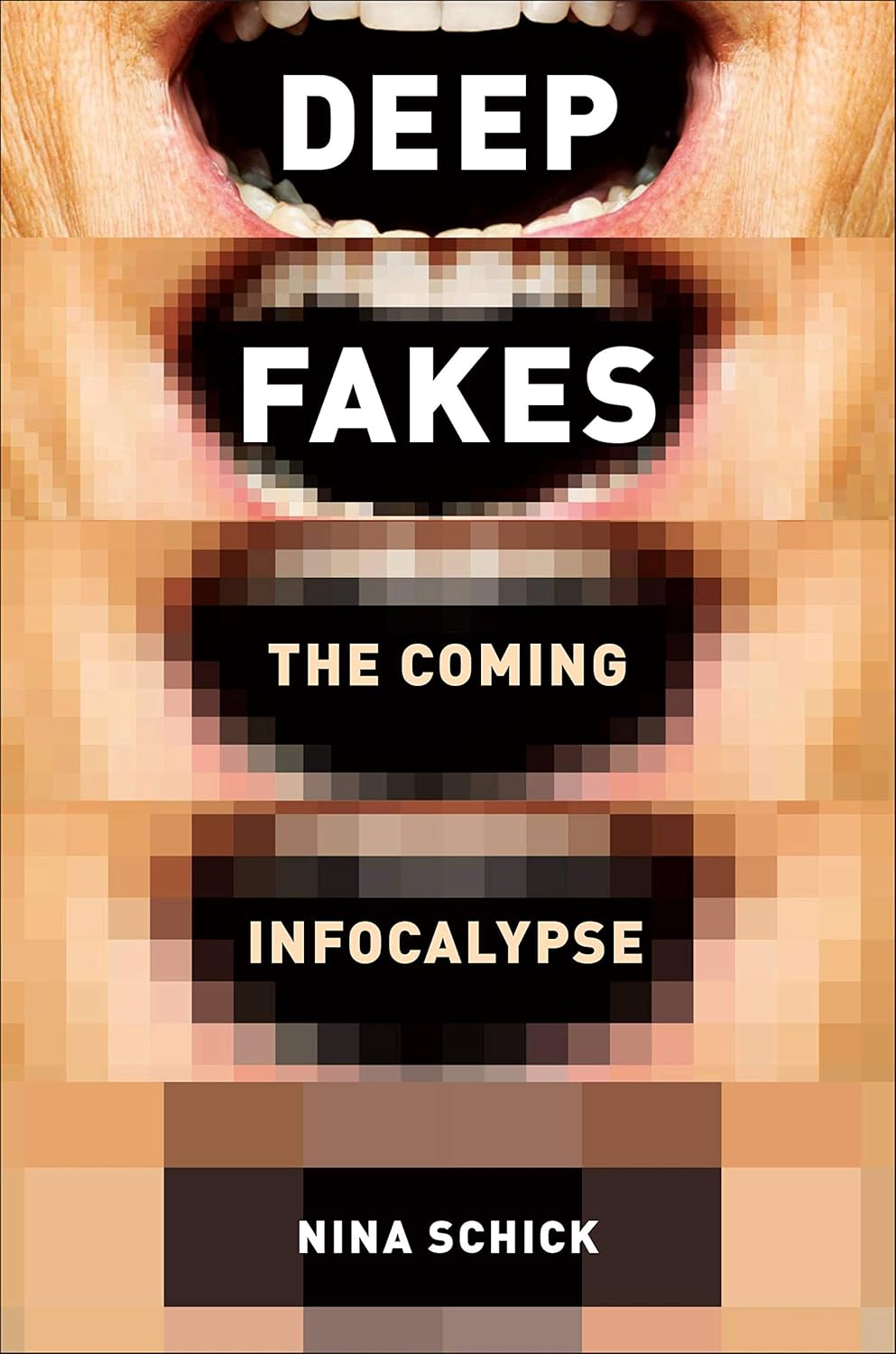
A clear, non-technical tour of synthetic media and how it gets used against ordinary people. It's useful background for explaining to family why a voice on the phone isn't proof anymore.
Get the book →Frequently Asked Questions — Family Safe Word
What is a good family safe word?
Two to four random words that don't belong together and that nobody could find about you online, such as a silly adjective, an everyday object and an action. Skip pet names, birthdays, streets and inside jokes, because those tend to show up in posts and photo captions.
Should a family safe word be one word or a phrase?
A short phrase. One word is easier to guess and easier to say by accident in normal talk. A three-word phrase from this kit has about 1 in 1.6 million odds per guess and still sticks in your head after one silly mental picture.
Can I text the safe word to my family?
I wouldn't. Messages sync to cloud backups and other devices, and a hacked account would hand the word to the exact person you're guarding against. Tell people in person or on a video call you started. The kit's share button sends an invite without the word for this reason.
How often should a family safe word change?
Every six to twelve months, and right away if someone says it near a smart speaker, writes it somewhere public or thinks a scammer tried it. The kit downloads a calendar reminder for six months from today.
What if a relative forgets the word in a real emergency?
Hang up and call them back on the number already saved in your phone, or reach someone who's with them. Real emergencies survive a two-minute callback. The pressure to skip that check is the clearest sign of a scam.
Does this generator save or send my phrase?
No. Your family safe word is made on your device with your browser's cryptographic random generator. There's no account, no cookie and no storage, and a page refresh wipes it. Even I can't see what you generated.
Do safe words work for texts and video calls too?
Yes. Live deepfake video and messages from hijacked accounts can look convincing, so the rule stays the same: before sending money, codes or private details, ask for the word, then confirm with a callback on a known number.
What should I do if I think I've been targeted?
End the contact and don't pay. If money already went out, call your bank or payment app immediately. In the US, report it at ReportFraud.ftc.gov and to the FBI at ic3.gov. Elsewhere, contact local police or your national fraud line, then warn the rest of the family.
🛡️ Make your family harder to fool
The voice can be faked. The word can't, as long as nobody says it first.