
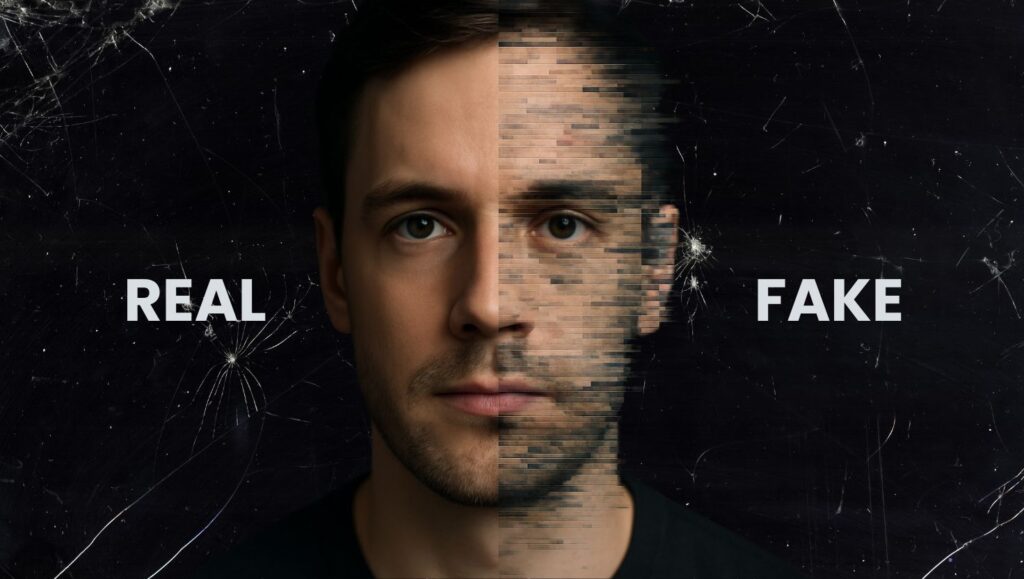
Mirko
AI Tech Writer
A scammer only needs 3 seconds of your voice to clone it. Last year, deepfake fraud cost victims $1.1 billion in the US alone — and 77% of people targeted by voice clones lost money. This isn't a future threat. It's happening right now, to real people. Here's how to spot it before it hits you or someone you love.
🎯 What You'll Learn
- How deepfakes work — and why they're nearly impossible to detect by eye alone
- The "turn your head" test and other real-time verification tricks
- Why family safe words are now essential protection against voice cloning scams
- Red flags in video calls, voice messages, and "urgent" requests for money
- What platforms are doing (and where they're failing) to stop AI fraud
📋 In This Guide
This guide is for educational awareness · Sources linked throughout · Editorial policy
- What Are Deepfakes and Why They Matter
- How Deepfakes Work – The Tech Behind the Trick
- Why Deepfakes Are Getting Harder to Spot
- How to Protect Yourself from Deepfakes
- The Role of Digital Literacy
- Ethical Risks We Need to Watch
- Real Examples You Should Know About
- What Platforms Are Doing (and Where They Fail)
- Final Thoughts and What We Can Do Next
1. Deepfake Awareness in 2026 – Why It Matters More Than Ever
In 2026, it’s not just about what you see or hear — it’s about what you can trust.
Deepfake awareness 2026 isn’t a niche concern anymore. It’s a survival skill.
AI-generated deepfakes have become alarmingly realistic. We’re no longer talking about quirky filters or celebrity parodies. We’re talking about full-scale voice cloning, video manipulation, and AI-generated content being used for scams, identity theft, and social engineering — and it’s happening to regular people, not just politicians or CEOs.
Consider these real scenarios happening right now:
- You receive a voicemail from your boss asking you to wire money urgently
- A FaceTime call from your partner — except it’s not really them
- A video that looks like you, saying things you’ve never said
- Your elderly parent gets a panicked call from “you” claiming to be in jail
And none of it may be real.
The numbers are staggering: deepfake fraud incidents surpassed 4.2 million cases globally in Q1 2026 alone — a 217% increase from the same period in 2024. Financial institutions absorbed an estimated $11.8 billion in losses tied to synthetic media fraud last year. And researchers at MIT’s Media Lab found that off-the-shelf consumer tools can now produce broadcast-quality deepfakes in under six minutes.
As someone who works with AI tools daily, I’ve come to believe that the real revolution is not in automation, but in authenticity. The more seamless AI becomes, the more valuable it is to return to what’s real, imperfect, and truly human.
But here’s the problem: spotting what’s real is harder than ever. A study published in Nature Human Behaviour in February 2026 found that participants correctly identified deepfake video only 54% of the time — barely better than flipping a coin — even after receiving explicit training on common telltale signs.
That’s why deepfake awareness 2026 isn’t just helpful — it’s critical. We all need to sharpen our eyes, our instincts, and our verification habits.
And it’s not just about spotting fakes. It’s about protecting your digital footprint so scammers have less material to work with. If you’re concerned about how AI systems access your personal data, start with this guide on how to stop AI from reading your private data — the less voice and video content you expose publicly, the harder it becomes for anyone to clone you.
If you want to understand how serious this threat has become, the MIT Media Lab’s Detect DeepFakes project offers both research insights and a practical experiment where you can test your own ability to spot AI-generated media. Spoiler: most people fail.
This guide will give you the knowledge and tools to fight back.
2. What Is a Deepfake (and Why It’s Evolving Fast)
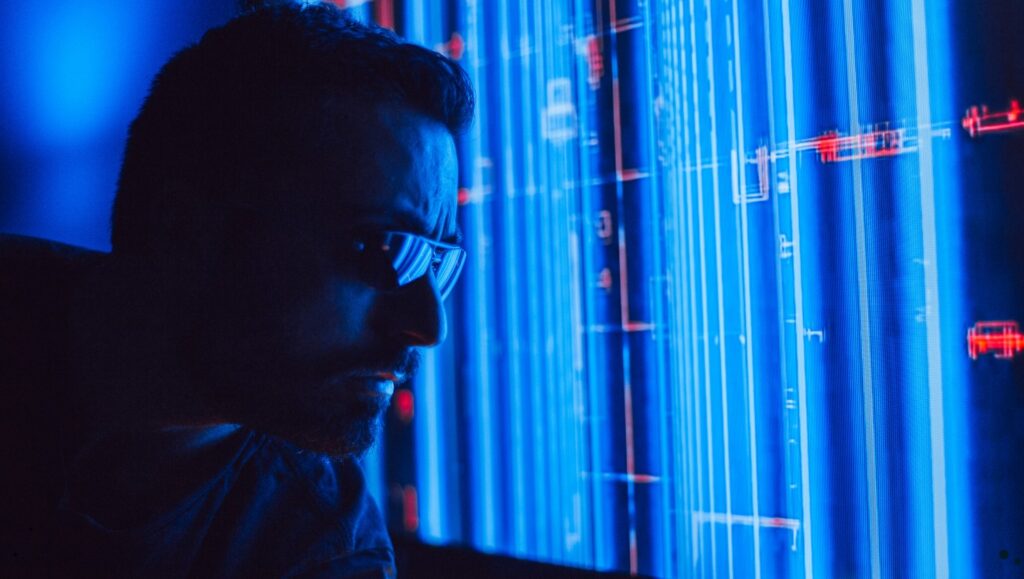
Understanding how deepfakes are made is the first step toward spotting them. The technology isn't magic — and once you see how it works, the threat becomes easier to grasp.
Deepfakes rely on deep learning, a type of AI that analyzes thousands of images or audio samples to learn patterns — then generates new content that mimics those patterns convincingly.
🔄 Face Swapping
AI maps one person's facial expressions onto another's face in real-time. Used in video calls and pre-recorded content.
🎙️ Voice Cloning
AI replicates someone's voice from as little as 3 seconds of audio. Can reproduce tone, accent, and speech patterns.
The most dangerous deepfakes combine both — synthetic video with cloned audio — creating content that looks and sounds completely authentic.
⚙️ How a Deepfake Gets Made
Data collection: The attacker gathers photos, videos, or voice recordings of the target — often scraped from social media, YouTube, or public appearances.
Model training: AI software analyzes the source material, learning facial movements, expressions, voice patterns, and speech rhythms.
Content generation: The trained model creates new synthetic media — a video of you saying things you never said, or a voice message in your exact tone.
Refinement: The output is polished to remove glitches. High-quality deepfakes now take under 6 minutes to produce with consumer-grade tools.
What makes deepfake awareness so urgent in 2026 is accessibility. The tools that once required technical expertise and expensive hardware are now free, easy to use, and available to anyone. The World Economic Forum identified this democratization of synthetic media as one of the top global risks.
🚨 The Speed Problem
- 3 seconds of audio → 85% accurate voice clone
- 6 minutes → broadcast-quality deepfake video
- $0 → cost to access open-source deepfake tools
- Zero technical skill required for basic attacks
This is why building deepfake awareness matters more than ever. The creation side is getting faster and cheaper. The only defense that scales is informed, skeptical humans who know what to look for.
For a deeper look at how AI processes and generates visual content, see our guide on how AI understands visual data.
3. How to Spot a Deepfake (Even When It Looks Real)
A few years ago, spotting a deepfake was easy. Weird blinking, blurry edges, robotic voices — the signs were obvious. Not anymore.
In 2026, the gap between real and fake has nearly closed. Here's why deepfake awareness requires more than just "looking closely."
The Technology Is Evolving Faster Than Detection
Every time researchers develop a new detection method, generators adapt within months. This cat-and-mouse dynamic means detection tools are always playing catch-up.
A February 2026 study in Nature Human Behaviour found that humans correctly identified deepfakes only 54% of the time — even after training. That's barely better than flipping a coin.
What's Changed in 2026
- Real-time generation: Deepfakes no longer require post-processing. Face swaps and voice clones work live during video calls.
- Fewer visual artifacts: Blinking, lip sync, and skin texture issues have been largely solved by newer models.
- Audio-visual sync: Voice cloning now matches lip movements precisely, eliminating one of the easiest tells.
- Compression hides flaws: Low-quality video streams (common on Zoom, WhatsApp) mask the subtle artifacts detectors rely on.
- Adversarial attacks: Creators intentionally add noise that fools detection algorithms while remaining invisible to humans.
Why Your Eyes Aren't Enough
The human brain is wired to trust faces and voices. Scammers exploit this with emotional urgency — a panicked family member, an angry boss, a time-sensitive request. When emotions run high, critical thinking shuts down.
High-quality deepfakes also exploit context. If you're expecting a call from your bank, and the voice sounds right, you're less likely to question it. The fake doesn't need to be perfect — it just needs to be good enough in the moment.
Key insight: Detection accuracy drops by up to 50% when deepfakes are compressed, resized, or streamed — exactly how most content is shared today.
The Trust Problem
Perhaps the most dangerous effect isn't believing fake content — it's doubting real content. As deepfakes spread, people start questioning authentic videos too. This "liar's dividend" lets bad actors dismiss genuine evidence as fabricated.
Building deepfake awareness isn't just about spotting fakes. It's about developing a verification mindset — checking sources, using multiple channels, and never acting on high-stakes requests without confirmation.
For more on how AI systems process and generate convincing visuals, read our breakdown of how AI understands visual data.
4. How to Protect Yourself From Deepfakes (And Help Others)
Spotting a deepfake is important — but protecting yourself is even more critical. As AI-generated fakes become more realistic, deepfake awareness 2026 means building smarter digital habits. Here's what that looks like today.
🤔 Think Before You Share
If a video seems shocking, emotional, or too polished — pause before you hit share. Virality doesn't equal truth.
Give yourself a few seconds to analyze it. In 2026, deepfakes are specifically designed to bypass logic and trigger emotions quickly. If something feels "off," trust your instincts.
🔍 Verify the Source
Always check whether the content is being reported by reputable news organizations or posted by verified creators. If it only appears on anonymous accounts or obscure repost pages, treat it as suspicious.
You can reverse-search suspicious media using tools like InVID Verification Plugin or Google Lens.
🔒 Limit Your Public Content
Your voice, face, and online stories can all be harvested to create personalized deepfakes. Scammers only need 3 seconds of audio to clone your voice with 85% accuracy.
Be especially mindful on platforms that offer little control over privacy. Adjust your settings, review your tagged media, and think twice before posting personal videos — especially voice messages.
Want to reduce your AI exposure? Check out our guide on how to stop AI from reading your private data.
👨👩👧 Establish Family Safe Words
This is now the #1 recommended defense against voice cloning scams. Create a secret phrase that only your family knows — something that would never appear in any public recording.
If you receive a panicked call from a "family member" asking for money, ask for the safe word before taking action. No safe word = hang up and verify through another channel.
🗣️ Talk About It With Others
Most people still underestimate how real deepfakes have become. Talking about deepfake awareness 2026 with friends, colleagues, or family members helps build a culture of caution and digital literacy.
This kind of informal education can stop fake news and scams before they spread — especially for elderly relatives who are the primary targets of voice cloning fraud.
🛡️ Smart Tools to Defend Against Deepfakes (2026)
Technology can help defend against manipulation. These tools are evolving quickly — and will be key in the fight against fake media:
| Tool | What It Does | Best For |
|---|---|---|
| Reality Defender | Multi-modal detection (video, audio, images). Browser extension flags manipulated content as you browse. | Everyday users, journalists |
| Sensity AI | Forensic-grade analysis with court-ready reports. Tracks deepfake spread across platforms. | Enterprises, legal teams |
| Intel FakeCatcher | Detects deepfakes by analyzing blood flow and skin signals invisible to the eye. 96% accuracy rate. | High-stakes video verification |
| Deepware Scanner | Free web-based scanner. Upload a video URL and get instant analysis for face-swap manipulation. | Quick checks, beginners |
| Pindrop Pulse | Specialized for voice deepfake detection. Catches 90% of AI-cloned voices in real-time calls. | Call centers, financial services |
For a comprehensive comparison of detection platforms, see CloudSEK's 2026 deepfake detection guide.
🚨 Report What Looks Fake
If you come across something suspicious, report it to the platform. Most social media sites have reporting options for misleading content. The more people report, the better detection systems become over time.
You can also report deepfake fraud to the FTC or your local law enforcement.
Remember, protecting yourself in 2026 doesn't require being paranoid — just being prepared.
Deepfake awareness 2026 means using your judgment, your tools, and your voice to keep digital spaces authentic.
5. The Role of Digital Literacy
Technology alone won't protect you. The most effective AI fraud protection starts with how you think — not what tools you use.
Deepfake awareness is fundamentally a digital literacy skill. It means developing the habit of questioning, verifying, and pausing before reacting — especially when content triggers strong emotions.
What Digital Literacy Looks Like in 2026
Knowing how to detect deepfakes isn't about memorizing a checklist. It's about building a verification mindset that applies to everything you see, hear, and receive online.
🔍 Source Skepticism
Always ask: where did this come from? Anonymous accounts and repost pages are red flags for deepfake scams.
⏸️ Pause Before Acting
Urgency is a manipulation tactic. Real emergencies can wait 2 minutes for verification. Scams can't.
📞 Multi-Channel Verification
Never trust a single source. If someone calls asking for money, hang up and call them back on a known number.
🧠 Emotional Awareness
Fear, anger, and excitement shut down critical thinking. Recognize when content is designed to trigger you.
Why This Matters for AI Fraud Protection
Detection tools help, but they're not foolproof. Gartner predicts that by 2026, 30% of enterprises will find standalone identity verification unreliable due to biometric deepfakes — synthetic faces and voices that fool automated systems.
This means AI fraud protection can't rely on technology alone. Human judgment remains the last line of defense.
🎯 The Human Factor
- Humans detect high-quality deepfakes only 24.5% of the time
- 77% of voice clone victims lost money — most trusted the caller immediately
- Average time to fall for a scam: under 10 minutes
- Average time to verify: under 2 minutes
Teaching Others Is Part of the Solution
Most people still don't know how to detect deepfakes — or that the threat even exists at this level. Sharing your deepfake awareness with family, friends, and colleagues creates a ripple effect.
Focus especially on:
- Elderly relatives — primary targets of voice cloning deepfake scams
- Teenagers — heavy social media users with high exposure to synthetic content
- Colleagues handling finances — targets for CEO fraud and biometric deepfakes
Digital literacy isn't a one-time lesson. It's an ongoing conversation about how to navigate a world where seeing and hearing are no longer believing.
For more on protecting your data from AI systems, see our guide on how to stop AI from reading your private data.
6. Ethical Risks We Need to Watch
The conversation around deepfake awareness often focuses on personal protection — but the ethical implications stretch far beyond individual scams. The same technology enabling deepfake scams is reshaping trust, democracy, and human relationships at scale.
The Erosion of Truth
When anyone can create convincing fake video or audio, the very concept of evidence changes. This creates two dangerous outcomes:
🎭 Fake Becomes Believable
Fabricated content spreads as truth — damaging reputations, influencing elections, and enabling deepfake scams at massive scale.
🤥 Real Becomes Deniable
Genuine evidence gets dismissed as "probably fake." Bad actors use this "liar's dividend" to escape accountability.
This dual attack on truth makes deepfake awareness a civic issue, not just a personal one.
Privacy and Consent Violations
One of the most harmful applications of this technology is non-consensual synthetic media — creating fake intimate content of real people without their knowledge or permission. Victims are overwhelmingly women, and the psychological damage is severe.
Biometric deepfakes also raise consent issues in identity verification. Your face and voice are increasingly used as passwords — but unlike passwords, you can't change them once compromised. As biometric deepfakes improve, stolen identity data becomes permanently exploitable.
The Weaponization of AI Tools
The same AI tools marketed for legitimate purposes — voice assistants, video editing, content creation — can be weaponized for fraud. This dual-use problem makes AI fraud protection complicated.
Many people unknowingly download malicious tools disguised as helpful AI apps. Before trying any new AI service, learn how to spot AI tool scams — the warning signs that separate legitimate software from data-harvesting traps.
⚖️ Key Ethical Concerns in 2026
- Election manipulation: Synthetic media of candidates spreading false statements
- Evidence tampering: Deepfakes undermining legal and journalistic verification
- Harassment at scale: Automated creation of non-consensual intimate imagery
- Child safety: AI-generated CSAM and grooming using synthetic personas
- Financial system trust: Biometric deepfakes bypassing bank security
The Regulation Gap
Laws are struggling to keep pace. While 46 US states now have deepfake-related legislation, enforcement remains inconsistent and cross-border prosecution is nearly impossible. Knowing how to detect deepfakes yourself is essential because you can't rely on platforms or governments to catch everything.
The EU AI Act introduces transparency requirements for synthetic media starting August 2026 — but compliance will vary, and bad actors won't follow the rules anyway.
What You Can Do
Building deepfake awareness isn't just about protecting yourself — it's about contributing to a healthier information environment:
- Don't share unverified content — even if it confirms your beliefs
- Support media literacy initiatives — in schools, workplaces, and communities
- Demand transparency — from platforms, politicians, and AI companies
- Report synthetic content — help detection systems learn and improve
- Talk about it — normalize skepticism and verification habits
Understanding how to detect deepfakes is step one. Using that knowledge to protect others — especially those vulnerable to deepfake scams — is where real impact happens.
The ethical stakes are high, but awareness scales. Every person who learns AI fraud protection basics becomes one more node of resistance against synthetic manipulation.
Deepfakes: The Coming Infocalypse
By Nina Schick — the definitive guide to understanding synthetic media threats. Covers detection strategies, real-world cases, and how to protect yourself. Essential for anyone serious about deepfake awareness.
Get It on Amazon →Affiliate link · Supports the blog at no extra cost
7. Real Examples You Should Know About
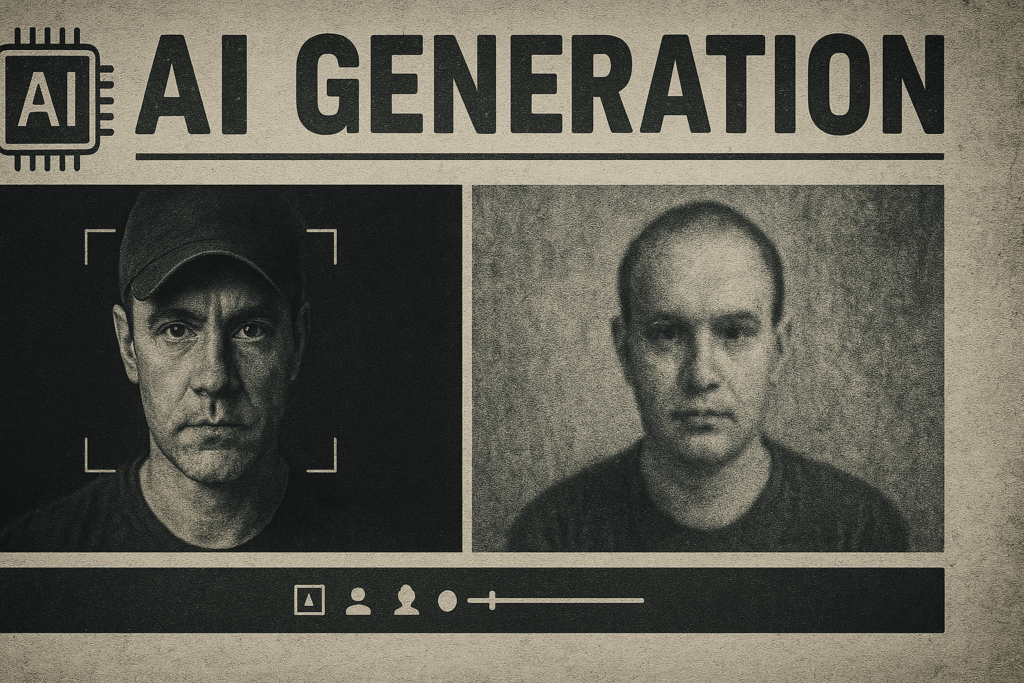
Deepfake awareness becomes real when you see how these attacks play out. These aren't hypothetical scenarios — they're documented cases that show why knowing how to detect deepfakes matters.
The $25 Million Video Call (Arup, 2024)
A finance employee at UK engineering firm Arup joined a video conference with what appeared to be senior colleagues, including the CFO. Every person on the call was a deepfake. The employee was convinced to transfer $25 million to fraudulent accounts.
The scam worked because the employee initially suspected phishing — but the live video call with familiar faces overcame his doubt. This case shattered the assumption that video calls provide reliable AI fraud protection.
Read the full Guardian report →
The Cloned CEO Voice (UK Energy Firm, 2019)
An employee at a UK energy company received a phone call from someone who sounded exactly like the CEO — same accent, same tone, same speech patterns. The voice instructed an urgent transfer of €220,000 to a "trusted supplier."
The money was gone within hours. This was one of the first major deepfake scams using voice cloning, and it proved that audio-only attacks could be just as devastating as video.
The Grandparent Scam Epidemic (2025-2026)
Voice cloning has supercharged the classic "grandparent scam." Criminals clone a grandchild's voice from social media clips, then call elderly relatives claiming to be in jail, in an accident, or in urgent trouble.
- $2.3 billion lost by elderly Americans to voice cloning scams in 2026
- Average loss per victim: $12,500
- Scam success rate jumped from 12% (2024) to 34% (2026)
This is why family safe words are now essential AI fraud protection — they're the only reliable way to verify identity when voices can be perfectly cloned.
Election Interference (Global, 2024)
During the 2024 election cycle, researchers tracked at least 78 deepfakes targeting elections worldwide. These ranged from fabricated candidate statements to synthetic endorsements of fraudulent financial platforms.
In one case, a deepfake robocall impersonating President Biden was used to discourage voters in the New Hampshire primary. The fake cost just $1 to create and took less than 20 minutes.
Explore WIRED's AI Elections Tracker →
The Doctor Deepfake Scam (2025)
Dr. David Amron, a lipedema specialist, discovered a Facebook video of himself endorsing a $50 "miracle cream" for the condition he treats. He had never made the video or endorsed any product. Some of his own patients bought the cream before realizing it was a deepfake scam.
The video also featured deepfaked versions of Oprah Winfrey and Kelly Clarkson. This case showed how biometric deepfakes exploit professional credibility to sell fraudulent products.
Biometric Bypass Attacks (Financial Sector, 2025-2026)
Banks and fintech platforms increasingly use face and voice verification for account access. Criminals responded with biometric deepfakes — synthetic faces and voices designed specifically to fool these systems.
Financial sector impact: Deepfake-related fraud in banking increased 2,100% over three years. More than 10% of banks have lost over $1 million each to voice deepfake incidents. Average loss per incident: $600,000.
This is why knowing how to detect deepfakes matters even for institutions with sophisticated security — and why multi-factor verification beyond biometrics is now essential.
What These Cases Teach Us
Every major deepfake scam shares common elements:
- Urgency — pressure to act immediately without verification
- Authority — impersonating trusted figures (bosses, family, celebrities)
- Familiarity — using recognizable faces and voices to bypass skepticism
- Single-channel trust — relying on one form of communication
Deepfake awareness means recognizing these patterns before you become part of the next case study. The technology will keep improving — but the manipulation tactics remain predictable.
8. What Platforms Are Doing (and Where They Fail)
Social media and tech platforms are under growing pressure to fight deepfakes — but their responses vary widely in speed, transparency, and effectiveness.
Meta (Facebook, Instagram)
Meta now labels some AI-generated content and invests in detection tools. However, enforcement is inconsistent, and harmful deepfakes often spread faster than they’re removed.
TikTok
TikTok requires creators to label AI-generated content — but compliance is low, and the line between parody and manipulation isn’t always clear.
YouTube
YouTube introduced policies to remove synthetic content that misleads about elections or causes harm. Still, enforcement depends on user reporting and takes time.
X (formerly Twitter)
X has fewer content moderators than before and more lenient policies. Deepfakes can go viral quickly, especially when tied to trending political topics.
Google and Microsoft
These companies have invested in detection tools like DeepMind’s SynthID and Microsoft’s Video Authenticator. But these are not yet widely integrated into consumer-facing platforms.
The missing link
Most platforms still rely on users to report content and don’t verify uploads proactively. Worse, there’s no universal standard for labeling or removing deepfakes.
Until stronger regulations arrive, responsibility still falls largely on users — and that’s a system we all need to navigate wisely.
9. Final Thoughts and What We Can Do Next
The world has changed. What you see and hear can no longer be trusted at face value — and that's not paranoia, it's reality in 2026.
But here's what matters: deepfake awareness is a skill you can build. The technology behind deepfake scams is sophisticated, but the manipulation tactics are predictable. Urgency, authority, emotion — once you recognize the patterns, you're harder to fool.
✅ Your Deepfake Awareness Action Plan
- Establish a family safe word — your #1 defense against voice cloning
- Verify before you act — hang up, call back, use a separate channel
- Limit your digital footprint — less public content means less material for attackers
- Learn how to detect deepfakes — the "turn your head" test, audio sync, emotional triggers
- Talk about it — protect elderly relatives, colleagues, and friends through education
Knowing how to detect deepfakes won't make you immune — but it will make you a much harder target. And in a world where AI fraud protection increasingly depends on human judgment, that matters.
The threat from biometric deepfakes will keep growing. Detection tools will improve, regulations will tighten, but technology alone won't save us. What scales is awareness — millions of people who pause before sharing, verify before acting, and question before trusting.
You're now one of them.
Stay informed. Stay skeptical. Stay human.
Deepfake awareness 2026 isn't about living in fear — it's about knowing what's real when it matters most.
If this guide helped you, share it with someone who needs it. The best AI fraud protection is a community that knows what to look for.
FAQ
What is a deepfake and why is deepfake awareness important in 2026?
+A deepfake is AI-generated synthetic media — video, audio, or images — designed to convincingly impersonate real people. The term combines "deep learning" and "fake."
Deepfake awareness is critical in 2026 because fraud incidents surpassed 4.2 million cases globally in Q1 alone, with losses exceeding $11.8 billion. Scammers can now clone your voice from just 3 seconds of audio, and humans only detect high-quality deepfakes 24.5% of the time — barely better than random guessing.
How can I spot a deepfake video in 2026?
+Look for these warning signs:
- Unnatural blinking patterns (too frequent, too rare, or mechanical)
- Lip movements out of sync with audio
- Skin that appears too smooth, waxy, or airbrushed
- Inconsistent lighting or shadows on the face
- Blurry edges around hairlines, ears, and jewelry
- Robotic or emotionally flat voice tones
However, high-quality deepfakes are now nearly undetectable by eye alone. The most reliable real-time test: ask the person to turn their head 90 degrees — most deepfake models struggle with side profiles.
What is voice cloning and how do scammers use it?
+Voice cloning uses AI to replicate someone's voice from a short audio sample — as little as 3 seconds. The cloned voice can reproduce tone, accent, and speech patterns with up to 85% accuracy.
Scammers use cloned voices for:
- Grandparent scams: Calling elderly relatives pretending to be family members in emergencies
- CEO fraud: Impersonating executives to authorize wire transfers
- Romance scams: Building fake relationships through voice messages
What is a family safe word and why do I need one?
+A family safe word is a secret phrase known only to your family members, used to verify identity during suspicious calls. It's now the #1 recommended defense against voice cloning scams.
How to use it: If you receive a panicked call from someone claiming to be a family member asking for money, ask for the safe word. If they can't provide it, hang up immediately and verify through another channel.
Tips for choosing a safe word:
- Pick something that would never appear in any public recording
- Avoid names, birthdays, or easily guessable phrases
- Make sure all family members memorize it
- Consider having different safe words for different family members
What are the best deepfake detection tools in 2026?
+Top deepfake detection tools for 2026:
- Reality Defender: Multi-modal detection with browser extension — best for everyday users
- Sensity AI: Forensic-grade analysis with court-ready reports — best for enterprises
- Intel FakeCatcher: Detects biological signals like blood flow — 96% accuracy
- Deepware Scanner: Free web-based video checker — best for quick checks
- Pindrop Pulse: Specialized for voice deepfakes — catches 90% of cloned voices
For everyday deepfake awareness, Reality Defender's browser extension and Deepware Scanner are the most accessible starting points.
Can deepfakes be used to steal my identity?
+Yes. Deepfakes are increasingly used for identity theft and fraud. Criminals harvest your photos, videos, and voice recordings from social media to create convincing impersonations.
These synthetic versions of "you" can be used to:
- Bypass biometric verification systems (face ID, voice authentication)
- Open fraudulent bank accounts or credit cards
- Manipulate people who know you into sending money
- Create compromising content for blackmail
To reduce your risk, limit public content, adjust privacy settings, and review our guide on how to stop AI from reading your private data.
How do I protect elderly family members from deepfake scams?
+Seniors are the primary targets of voice cloning fraud, losing an average of $1,298 per scam — triple the losses of younger adults.
To protect elderly family members:
- Establish a family safe word and practice using it
- Explain that voices can now be perfectly cloned from short recordings
- Encourage them to hang up and call back on a known number if anything feels off
- Remind them: legitimate organizations never demand immediate payment via gift cards or wire transfers
- Set up call screening or blocking apps on their phone
What should I do if I receive a suspicious video call?
+If a video call feels suspicious, use these verification techniques:
- Ask them to turn their head to a 90-degree side profile — deepfakes struggle with this
- Request an unexpected action: wave hand in front of face, scratch their nose, take a sip of water
- Watch for unnatural movements, audio sync issues, or robotic expressions
- Note if video quality suddenly drops when you ask for verification
Critical rule: Never authorize financial transactions based solely on a video call. Always verify through a completely separate communication channel — call them back at a known number, text another family member, or meet in person.
Are deepfakes illegal?
+Laws vary by jurisdiction, but deepfakes are increasingly being regulated:
- United States: 46 states have enacted laws targeting deepfakes as of 2026
- Federal law: The TAKE IT DOWN Act passed in May 2025
- European Union: The EU AI Act includes transparency rules for synthetic media, effective August 2026
Deepfakes used for fraud, non-consensual intimate imagery, or election interference are illegal in most jurisdictions and carry serious criminal penalties.
Creating deepfakes for satire, parody, or entertainment exists in a grayer legal area but still carries ethical concerns and potential civil liability.
How can I verify if a video or image is real?
+Use these verification methods to build your deepfake awareness skills:
- Reverse search: Use Google Lens or TinEye to check if content appears elsewhere
- Detection tools: Run videos through Deepware Scanner or Reality Defender
- Source check: Verify if reputable news organizations are reporting the same content
- C2PA standard: Look for content authenticity credentials — a cryptographic signature proving origin
- Fact-checkers: Consult Snopes, PolitiFact, or AFP Fact Check
If you want to deepen your deepfake awareness and better understand how AI-generated content can mislead, manipulate, or quietly influence decisions, these articles expand naturally on what we've covered here:
AI Voice Replication – Best Tools, Use Cases & What to Watch Out For
Understand how voice cloning works, legitimate applications, and red flags for misuse
What Are AI Hallucinations? Understanding the Risks Behind Smart Answers
Why AI confidently makes things up — and how to spot unreliable outputs
How AI Understands Visual Data – Inside the Black Box
The technology behind AI image generation and why synthetic media looks so real
Each of these focuses on a different layer of the same challenge: recognizing manipulation early, understanding how AI-generated content is created, and learning how to respond calmly and critically.