Mirko
AI Tech Writer · 50+ hours testing 7 voice AI platforms
Need to clone a voice or generate realistic AI speech in 2026? I've spent 50+ hours testing 7 leading platforms — comparing voice quality, pricing, cloning accuracy, and ease of use. Some tools have improved massively this year, while others aren't worth your time. Here's what actually works.
📑 In This Article
Some links are affiliate links · You support the blog at no extra cost · Details
What is AI Voice Replication?
AI voice replication (also called voice cloning) uses machine learning to create synthetic speech that sounds like a real human voice. You can either clone your own voice or use pre-built AI voices for content creation. According to Forbes, voice AI is one of the fastest-growing segments in artificial intelligence.
In 2026, the technology has become remarkably realistic — many AI voices are now indistinguishable from human recordings. Content creators, marketers, and developers use these tools for podcasts, videos, audiobooks, voiceovers, and even real-time voice agents.
Below, I've tested and ranked the 7 best AI voice replication tools available today. If you're also exploring other AI solutions, check out our all-in-one AI tools guide.

7 Best AI Voice Replication Tools Compared (2026)
Click any tool to try it free — I've ranked them based on 50+ hours of testing.
ElevenLabs
Best overall voice quality
🏆 Editor's ChoicePlayHT
Best value for money
🚀 Rising StarHeyGen
Best for AI avatars & video
Murf AI
Best for beginners & teams
Fish Audio
Emerging tool — +150% growth
🚀 Rising StarFakeYou
Best free option
🆓 Best FreeRetell AI
Best for developers & API
1. ElevenLabs 🏆 Editor's Choice
Best overall AI voice quality & cloning accuracy in 2026
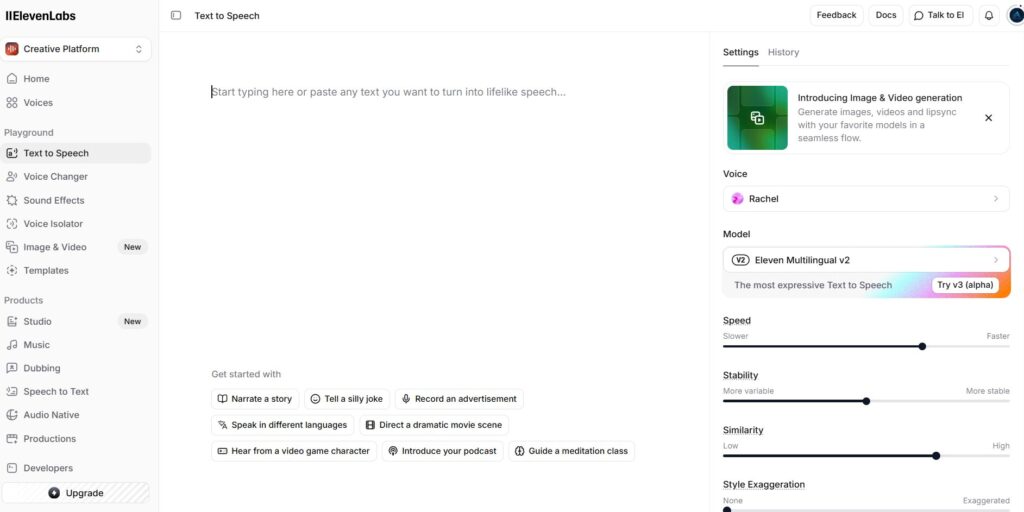
ElevenLabs remains the gold standard for AI voice replication in 2026. Their proprietary voice synthesis technology produces the most natural-sounding speech I've tested — often indistinguishable from real human recordings. The voice cloning feature is remarkably accurate, requiring just a few minutes of sample audio to create a convincing replica.
Whether you're creating YouTube voiceovers, podcasts, audiobooks, or need real-time voice generation for apps, ElevenLabs delivers consistently excellent results. It's pricier than some alternatives, but the quality justifies the cost for professional use. For a detailed comparison, see my ElevenLabs vs PlayHT breakdown or ElevenLabs vs Murf AI comparison.
✅ Pros
- Industry-leading voice quality
- Excellent voice cloning (few minutes of audio)
- 29+ languages supported
- Real-time voice generation API
- Generous free tier to test
❌ Cons
- Higher pricing vs competitors
- Character limits on lower plans
- No built-in video editor
🔑 Key Features
- Voice Cloning
- 29+ Languages
- Real-time API
- Text to Speech
- Speech to Speech
- Projects & Collaboration
- Voice Library
- Audio Isolation
💰 ElevenLabs Pricing (2026)
Try ElevenLabs Free
10,000 characters/month included — no credit card required
📖 Related: ElevenLabs vs PlayHT · Murf AI vs ElevenLabs · All-in-One AI Tools
2. PlayHT 🚀 Rising Star
Best value for money — ultra-realistic voices at competitive pricing
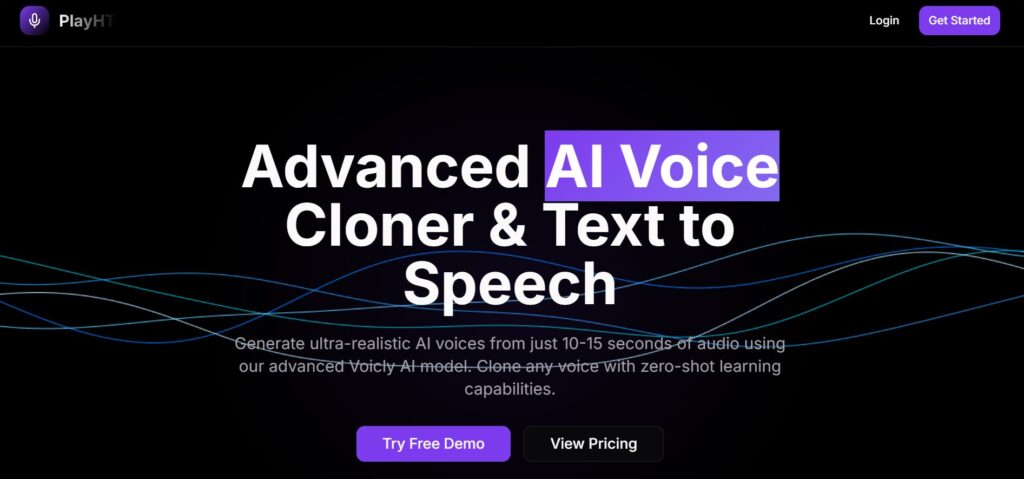
PlayHT has seen explosive growth in 2026 (+100% search increase), and for good reason. Their PlayHT 2.0 engine produces stunningly realistic voices that rival ElevenLabs at a more accessible price point. With support for 142+ languages and accents, it's one of the most versatile options available.
What sets PlayHT apart is its focus on podcasters and content creators — the built-in podcast tools, team collaboration features, and seamless WordPress integration make it a complete solution. If you're looking for near-premium quality without the premium price tag, PlayHT is the smart choice. See my detailed ElevenLabs vs PlayHT comparison to understand the differences.
✅ Pros
- Ultra-realistic PlayHT 2.0 voices
- 142+ languages — industry-leading
- Excellent voice cloning quality
- Built-in podcast & audio tools
- WordPress plugin available
- Team collaboration features
❌ Cons
- Higher starting price than ElevenLabs
- Interface can feel overwhelming
- Some premium voices locked to higher tiers
🔑 Key Features
- PlayHT 2.0 Engine
- Voice Cloning
- 142+ Languages
- Podcast Tools
- Team Workspace
- API Access
- WordPress Plugin
- Audio Widgets
💰 PlayHT Pricing (2026)
Try PlayHT Free
Test ultra-realistic voices with 2,500 free characters
📖 Related: ElevenLabs vs PlayHT · All-in-One AI Tools
3. HeyGen
Best for AI avatars & video creation — voice + visuals in one platform
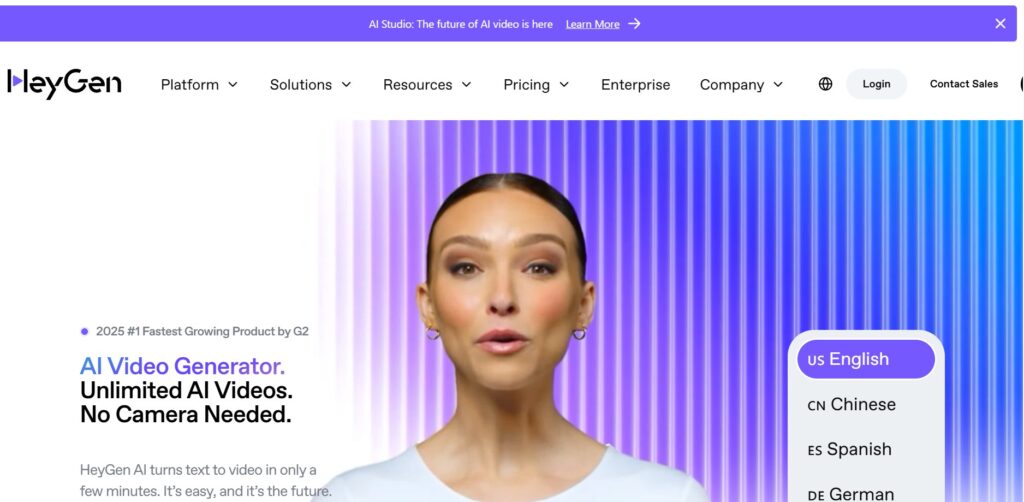
HeyGen isn't just a voice tool — it's a complete AI video platform. With +100% search growth in 2026, it's become the go-to solution for creators who need both realistic AI voices AND lifelike avatars in one workflow. Upload a script, choose an avatar, and get a professional video in minutes.
The standout feature is lip-sync accuracy — HeyGen's avatars move naturally and match speech patterns better than any competitor I've tested. It's perfect for explainer videos, training content, social media clips, and multilingual video translation. If you need more than just audio, HeyGen is the clear winner. For avatar-focused alternatives, check my Murf vs Synthesia comparison.
✅ Pros
- Stunning AI avatars with realistic lip-sync
- Voice + video in one platform
- 40+ languages for video translation
- Clone your own avatar & voice
- Fast rendering times
- Great template library
❌ Cons
- More expensive than voice-only tools
- Credit system can be confusing
- Overkill if you only need audio
- Avatar quality varies by selection
🔑 Key Features
- 100+ AI Avatars
- Lip-Sync Technology
- Avatar Cloning
- Voice Cloning
- 40+ Languages
- Video Templates
- Video Translation
- API Access
💰 HeyGen Pricing (2026)
Try HeyGen Free
Create your first AI avatar video — 1 free credit included
📖 Related: Murf vs Synthesia · All-in-One AI Tools
4. Murf AI
Best for beginners & teams — easiest interface with built-in video editor
Murf AI is the tool I recommend to anyone who says "I'm not technical." With +50% growth in 2026, it's earned a loyal following among marketers, educators, and small teams who need professional voiceovers without a learning curve. The interface is clean, intuitive, and gets you from script to finished audio in minutes.
What makes Murf unique is the built-in video editor — you can sync voiceovers with images, video clips, and music without leaving the platform. It's not as powerful as dedicated video tools, but it's perfect for quick explainers, presentations, and social content. For a deeper dive, see my Murf AI vs ElevenLabs comparison or Murf vs Synthesia breakdown.
✅ Pros
- Easiest interface to learn
- Built-in video editor
- 120+ voices across 20 languages
- Team collaboration & workspaces
- Great for presentations & e-learning
- Solid voice quality for the price
❌ Cons
- Voice quality below ElevenLabs/PlayHT
- Limited voice cloning capabilities
- Fewer languages than competitors
- No real-time API
🔑 Key Features
- 120+ AI Voices
- 20 Languages
- Video Editor
- Voice Changer
- Team Workspaces
- Pitch & Speed Control
- Background Music
- API Access
💰 Murf AI Pricing (2026)
Try Murf AI Free
10 minutes of free voiceover — perfect for testing
📖 Related: Murf AI vs ElevenLabs · Murf vs Synthesia · All-in-One AI Tools
5. Fish Audio 🚀 +150% Growth
Emerging tool of 2026 — zero-shot voice cloning at unbeatable speed
Fish Audio is the dark horse of 2026. With +150% search growth — the highest of any tool on this list — it's rapidly gaining traction among developers and early adopters. The secret? Zero-shot voice cloning that produces impressive results from just a few seconds of audio.
Built on open-source foundations, Fish Audio offers transparency that larger competitors don't. The generation speed is lightning-fast, and the API is developer-friendly with generous rate limits. It's not as polished as ElevenLabs yet, but for the price and flexibility, it's a serious contender worth watching. If you're exploring all-in-one AI tools, Fish Audio pairs well with other creative platforms.
✅ Pros
- Zero-shot cloning (seconds of audio)
- Extremely fast generation
- Open-source transparency
- Affordable pricing
- Developer-friendly API
- Active community & updates
❌ Cons
- Less polished than established players
- Smaller voice library
- Limited enterprise features
- Documentation still improving
🔑 Key Features
- Zero-Shot Cloning
- Fast Generation
- Open Source
- REST API
- Multiple Languages
- Community Voices
- Low Latency
- Self-Host Option
💰 Fish Audio Pricing (2026)
Try Fish Audio Free
Test zero-shot voice cloning — no credit card required
📖 Related: ElevenLabs vs PlayHT · All-in-One AI Tools
7. Retell AI
Best for developers — build conversational voice agents with low-latency API
Retell AI is built for a different audience than the other tools on this list. With +90% growth in 2026, it's become the go-to platform for developers building conversational AI voice agents — think customer service bots, appointment schedulers, and interactive voice assistants that actually sound human.
What sets Retell apart is the ultra-low latency (under 1 second response time) and seamless integration with LLMs like GPT-4 and Claude. You're not just generating audio files — you're building real-time voice conversations. If you're a developer looking to add voice capabilities to your app, or a business wanting to automate phone interactions, Retell AI is purpose-built for you. For broader AI tool options, explore our all-in-one AI tools guide.
✅ Pros
- Ultra-low latency (<1 second)
- Built for real-time conversations
- LLM integration (GPT-4, Claude)
- Developer-friendly REST API
- Pay-per-use pricing (no waste)
- Enterprise-grade reliability
❌ Cons
- Requires technical knowledge
- Not for simple voiceover tasks
- No visual interface for non-devs
- Costs scale with usage
🔑 Key Features
- Voice Agents
- Low Latency API
- LLM Integration
- Real-time Conversations
- Phone Call Support
- Custom Voices
- Analytics Dashboard
- Enterprise SLA
💰 Retell AI Pricing (2026)
Build Your First Voice Agent
60 free minutes — deploy a working prototype in hours
📖 Related: ElevenLabs vs PlayHT · All-in-One AI Tools
AI Voice Replication Tools — Pricing Comparison (2026)
All prices verified March 2026. Most tools offer annual discounts of 20-40%.
| Tool | Free Tier | Starting Price | Best Plan | Best For | Try It |
|---|---|---|---|---|---|
|
E
ElevenLabs
Top Pick
|
10K chars/mo | $5 /mo | $22 /mo | Creators, professionals | Try Free → |
|
P
PlayHT
Best Value
|
2.5K chars/mo | $31 /mo | $31 /mo | Podcasters, teams | Try Free → |
|
H
HeyGen
|
1 credit | $24 /mo | $72 /mo | Video creators | Try Free → |
|
M
Murf AI
|
10 mins/mo | $19 /mo | $39 /mo | Beginners, teams | Try Free → |
|
F
Fish Audio
|
Limited/day | $9 /mo | $29 /mo | Developers, budget | Try Free → |
|
F
FakeYou
Free
|
Unlimited (queue) | $0 free | $7 /mo | Hobbyists, memes | Try Free → |
|
R
Retell AI
|
60 mins trial | $0.07 /min | $0.05 /min | Developers, enterprise | Try Free → |
💡 Pricing Tips & Notes
- Annual billing saves 20-40% on most platforms — worth it if you're committed.
- Character limits vary widely. ElevenLabs counts characters; Murf counts minutes. Compare carefully.
- Commercial licenses are usually only included on mid-tier plans and above.
- Prices may change — always verify on the official website. See G2's text-to-speech reviews for user ratings.
- For a broader overview of AI tools, Product Hunt's AI section tracks new launches.
My Recommendation for Most Users
Start with ElevenLabs' free tier to test quality. If you need more volume or features, their $22/mo Creator plan offers the best balance of quality and value. For tighter budgets, Fish Audio at $9/mo delivers impressive results. According to Statista, AI voice tools are among the fastest-growing marketing technologies in 2026.
How to Choose the Right AI Voice Tool
Not sure which tool fits your needs? I've tested all 7 extensively. Here's a quick guide based on what you're trying to accomplish — because the "best" tool depends entirely on your use case.
YouTube Videos & Podcasts
You need natural-sounding voiceovers that don't scream "AI." Quality is everything — listeners will notice robotic voices instantly.
Marketing & Explainer Videos
You need voice + visuals together — talking avatars, product demos, or social media clips with human-like presenters.
E-Learning & Training
You need consistent, clear voiceovers for courses — plus easy editing when scripts change. Team collaboration is a bonus.
Apps & Voice Agents
You're building real-time voice interactions — chatbots, phone systems, or AI assistants that need instant responses.
Tight Budget / Side Projects
You want quality without breaking the bank — maybe you're just starting out or testing the waters with AI voice.
Memes, Fun & Experiments
You want to play with celebrity voices, create funny clips, or just experiment without spending any money.
🧭 Quick Decision Tree
✅ Before You Subscribe — Quick Checklist
Pro Tip: Don't Overthink It
Most people will be happy with ElevenLabs — it's the safest bet for quality. Start with their free tier, test it on your actual content, and upgrade only if you need more characters. Still undecided? Read my ElevenLabs vs PlayHT deep-dive or explore all-in-one AI tools if you need more than just voice.
Frequently Asked Questions
Quick answers to the most common questions about AI voice replication tools in 2026.
AI voice replication (also called voice cloning or voice synthesis) is technology that uses machine learning to create synthetic speech that sounds like a real human voice.
There are two main types:
- Text-to-Speech (TTS): Converting written text into spoken audio using pre-built AI voices
- Voice Cloning: Creating a digital replica of a specific person's voice from audio samples
In 2026, the technology has advanced significantly — many AI voices are now indistinguishable from real human recordings.
For a completely free option, FakeYou offers unlimited access to thousands of character and celebrity voices — though quality is lower than paid tools and wait times can be long.
For quality free tiers, I recommend:
- ElevenLabs: 10,000 characters/month free — best quality
- Murf AI: 10 minutes/month free — easiest to use
- PlayHT: 2,500 characters/month free
Yes, AI voice cloning is legal — but with important conditions:
- ✅ Cloning your own voice is completely legal
- ✅ Using licensed AI voices from platforms is legal
- ⚠️ Cloning someone else's voice without permission may violate their right of publicity
- ❌ Using cloned voices for fraud, impersonation, or deception is illegal
Laws vary by country. In the US, several states have enacted AI voice protection laws. The EU's AI Act also addresses synthetic media. For commercial use, always check the platform's terms of service and obtain necessary rights.
For more details, see The New York Times' coverage on AI voice regulation.
For YouTube, voice quality is everything — viewers will click away if the narration sounds robotic. Based on my testing:
- #1 ElevenLabs: Best natural-sounding voices, ideal for faceless channels and professional content
- #2 PlayHT: Excellent quality at a lower price point, great for podcasters transitioning to video
- #3 Murf AI: Built-in video editor makes syncing voiceovers easy
If you need a talking avatar (not just voiceover), HeyGen combines voice + AI presenter in one tool.
In 2026, top-tier AI voice cloning is remarkably accurate — often 90-95% similar to the original voice in blind tests. But accuracy depends on several factors:
- Audio quality: Clean recordings produce better clones
- Sample length: More audio = better results (ElevenLabs needs ~1 minute, some tools need more)
- Tool quality: ElevenLabs and PlayHT lead in cloning accuracy
- Voice characteristics: Distinctive voices clone better than neutral ones
The technology has improved dramatically. According to Wired, many AI clones now pass human detection tests.
It depends on your priorities:
- Choose ElevenLabs if: Voice quality is #1 priority, you need voice cloning, you want API access, or you're creating professional content
- Choose Murf AI if: You want the easiest interface, need built-in video editing, work with a team, or prefer simpler pricing
Quick comparison:
- Voice quality: ElevenLabs wins
- Ease of use: Murf AI wins
- Voice cloning: ElevenLabs wins
- Video tools: Murf AI wins
- Starting price: ElevenLabs ($5) vs Murf AI ($19)
Yes — but check your plan's license. Most AI voice tools have specific tiers for commercial use:
- ElevenLabs: Commercial license on Starter ($5) and above
- PlayHT: Commercial license on Creator ($31) and above
- Murf AI: Commercial license on Pro ($39) and above
- HeyGen: Commercial license on all paid plans
Important: Free tiers typically do NOT include commercial rights. Always verify before using AI voices in ads, products, or client work.
Language support varies significantly by tool:
- PlayHT: 142+ languages — most extensive
- HeyGen: 40+ languages with video translation
- ElevenLabs: 29+ languages with excellent accents
- Murf AI: 20 languages
If you need non-English voices or multilingual content, PlayHT is the clear leader with 142+ language options.
They're related but different:
- Text-to-Speech (TTS): Converts written text into audio using pre-built AI voices. You choose from a library of voices created by the platform.
- Voice Cloning: Creates a custom replica of a specific person's voice using audio samples. The AI learns to mimic that voice, then can speak any text in that voice.
Most tools offer both. TTS is included on all plans; voice cloning typically requires a paid plan.
For developers building apps, I recommend:
- #1 Retell AI: Purpose-built for real-time voice agents with ultra-low latency (<1 second). Integrates with GPT-4 and Claude. Pay-per-use pricing.
- #2 ElevenLabs: Excellent API, WebSocket streaming, great documentation. Better for pre-recorded audio generation.
- #3 Fish Audio: Open-source option with self-hosting available. Great for budget-conscious dev teams.
For real-time conversational AI (chatbots, phone systems), Retell AI is specifically designed for this use case.
Still Have Questions?
Can't decide? Start with the free tier of our top pick — test it on your actual content.
Final Verdict: Which AI Voice Tool Should You Choose?
After 50+ hours testing all 7 platforms, the choice comes down to your specific needs. There's no single "best" tool — but there is a best tool for you.
If you want the most realistic AI voices available in 2026, ElevenLabs is the clear winner. For budget-conscious creators, Fish Audio delivers impressive results at $9/month. And if you need voice + video together, HeyGen is unmatched.
The good news? Every tool on this list offers a free tier. Don't overthink it — pick the one that fits your use case, test it with your actual content, and upgrade only when you're ready.
🏆 Our Top 3 Picks
Ready to Create Your First AI Voice?
Start with ElevenLabs' free tier — 10,000 characters/month, no credit card required.
— Mirko, AI Tech Writer at AI Digital Space. Have questions or feedback? Drop a comment below or check out my other AI tool guides.