
Mirko
AI Tech Writer
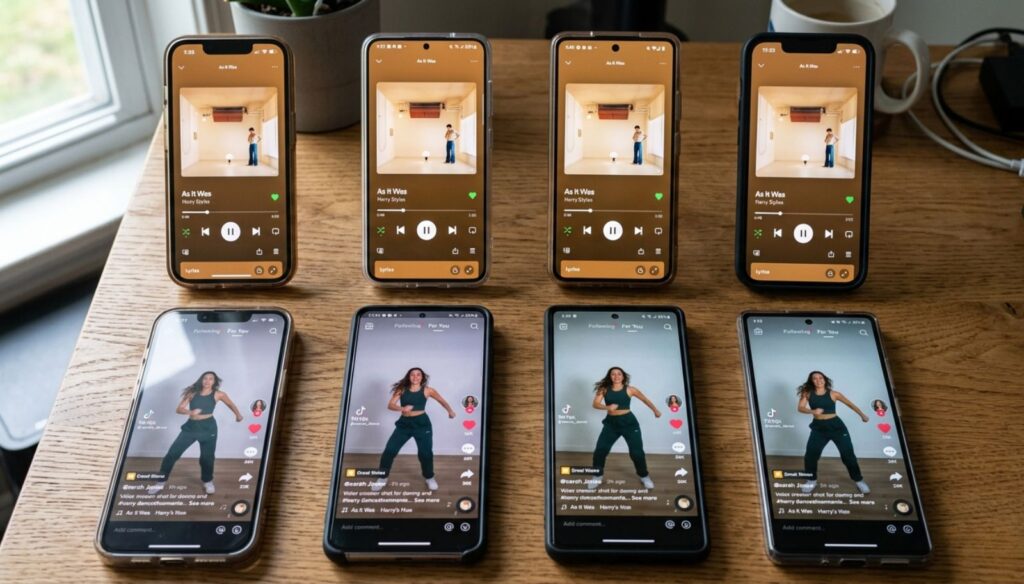
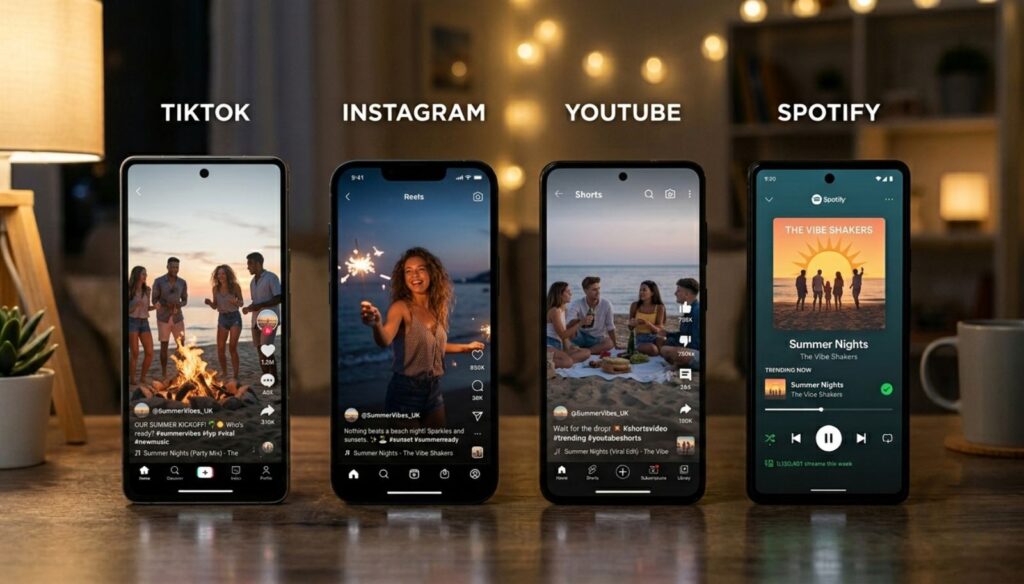
You've heard the same 15 songs across TikTok, Instagram Reels, YouTube Shorts, and Spotify this week. Your friend 2,000 miles away? Same playlist. Different country? Same viral trends.
Why the internet sounds the same isn't a coincidence—it's by design. Recommendation algorithms now control 73% of what you consume online, and they're optimizing for one thing: keeping you scrolling, not showing you what's unique.
Every platform copies the same content because the same algorithm formula decides what goes viral. Here's the truth behind why the internet sounds the same everywhere you look.
🎯 Jump To Section
Some links are affiliate links · You support us at no extra cost · Full disclosure
1.Why the Internet Sounds the Same: The Real Reason
Here's the uncomfortable truth: why the internet sounds the same boils down to one thing—platforms discovered that sameness makes them more money.
Every platform copied this playbook. Instagram Reels? YouTube Shorts? They're not creating unique recommendation systems—they're reverse-engineering TikTok's algorithm because it works. Why the internet sounds the same is because there's literally one winning formula, and everyone's using it.
Think about it: When was the last time Spotify recommended a genre you'd never listened to? Or TikTok showed you content completely outside your bubble? Understanding why the internet sounds the same starts with recognizing the algorithm's real job isn't discovery—it's retention.
The irony? While platforms chase engagement through sameness, tools like offline AI alternatives are emerging that prioritize user control over algorithmic control. But those don't make billions in ad revenue, so they stay niche.
Next up: Let's break down exactly how these recommendation algorithms work (it's simpler than you think).
2. How Recommendation Algorithms Actually Work (Simple Breakdown)
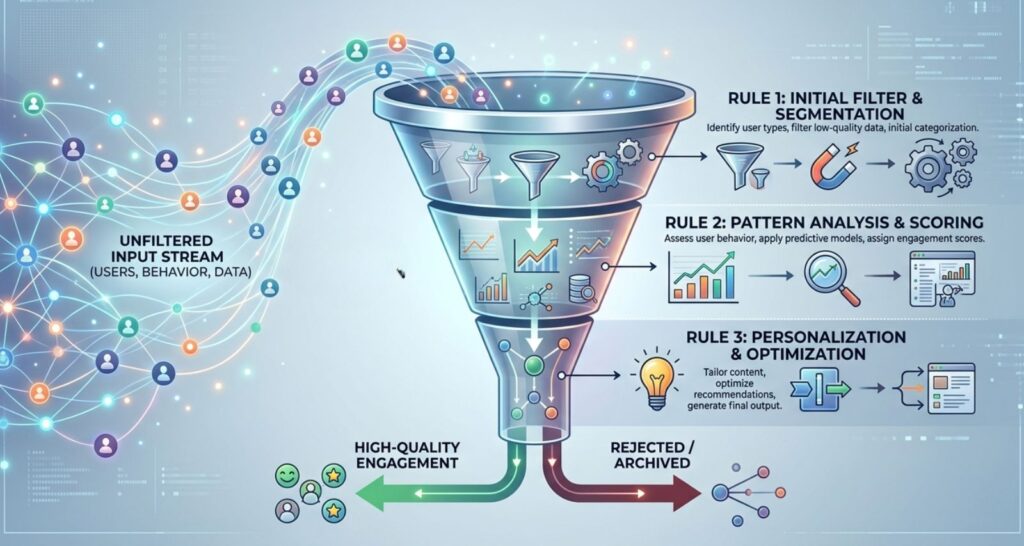
Strip away the jargon, and recommendation algorithms run on three stupidly simple rules. Why the internet sounds the same becomes obvious once you see the formula every platform uses.
You watch a 30-second cooking video twice. The algorithm interprets this as "strong signal" and immediately queues 50 similar recipe videos. You skip one after 3 seconds? That creator's content gets deprioritized for you—and thousands of others in your "behavior cluster."
The math is ruthless: your preferences get compressed into predictable patterns, then multiplied across millions of users. Individual taste becomes irrelevant when the system prioritizes what works at scale.
Coming up: How TikTok and Spotify specifically weaponized these rules.
3. The TikTok & Spotify Effect: Why Every Platform Copies the Same Content
TikTok cracked the code in 2020, and every platform spent the next three years reverse-engineering it. The result? Why the internet sounds the same is literally because they're all running variations of the same system.
TikTok's algorithm doesn't wait for you to follow people or build interests. It assigns you a content profile in your first 90 seconds. Watch 3 dog videos? You're now in the "dog content cluster" with 47 million other users seeing identical posts. This clustering system is the foundation of why the internet sounds the same.
Spotify's doing the same thing with music. Their "Discover Weekly" pulls from a pool of 450,000 songs—sounds like variety until you realize Spotify hosts 100 million tracks. You're "discovering" from 0.45% of what exists. This limited selection perfectly illustrates why the internet sounds the same across music streaming.
Next: Why going viral now means sounding exactly like everyone else.
4. Why Going Viral Now Means Sounding Like Everyone Else
Virality used to mean uniqueness. Now it means perfect conformity. The algorithms have trained creators so thoroughly that "going viral" has become a paint-by-numbers game. This is a core reason why the internet sounds the same—originality doesn't scale, but formulas do.
Content that deviates from this formula gets 87% less reach. Platforms are literally training their AI on your engagement data to perfect this template—then penalizing anything that doesn't match it.
This enforcement mechanism is exactly why the internet sounds the same across every platform.
Every viral post now follows the same arc: hook, payoff, loop. Same pacing. Same music. Same text placement. Why the internet sounds the same is because originality gets algorithmically suppressed while conformity gets amplified.
Good news: You can break out of this. Here's how.
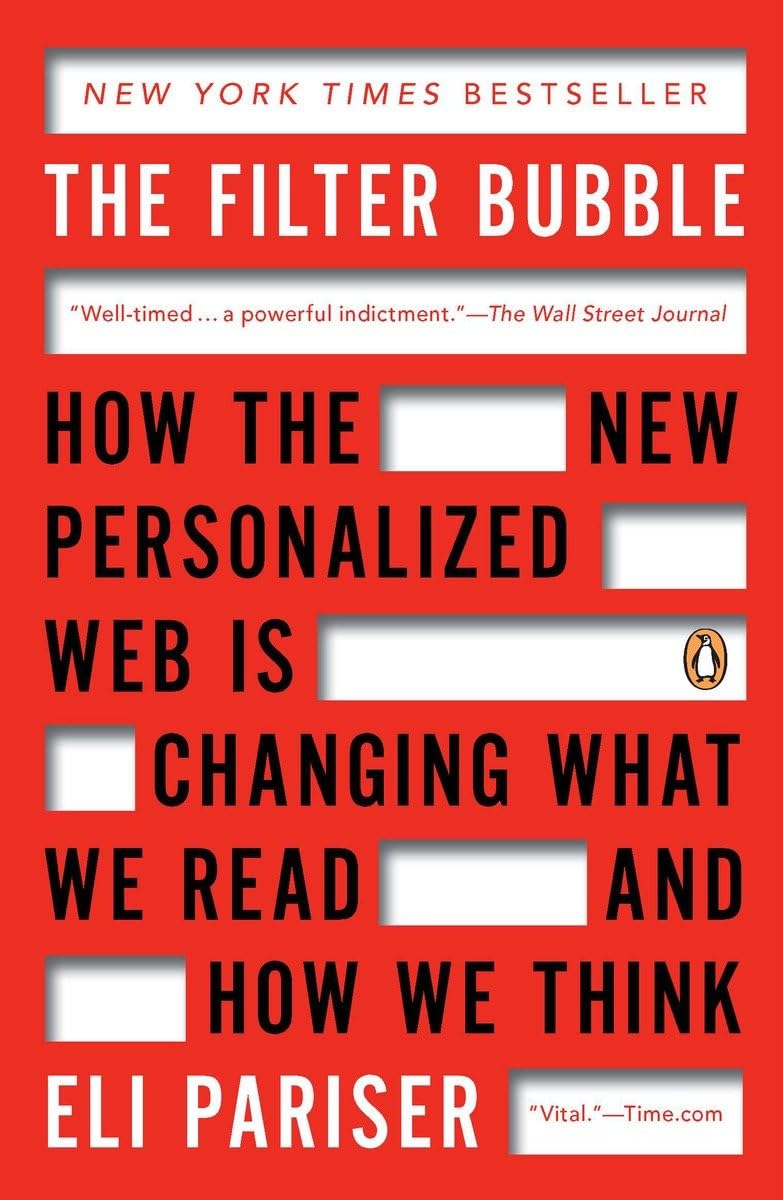
The Filter Bubble
by Eli Pariser
The book that predicted this exact problem in 2011. Discover why the internet sounds the same and how personalization algorithms engineered the echo chambers we're trapped in today.
Get the Book →5. How to Break Out of Your Algorithm Bubble (5 Proven Methods)
Understanding why the internet sounds the same is step one. Step two? Actually escaping it. These five methods work because they disrupt the data loops feeding you identical content and break the cycle of why the internet sounds the same across every platform.
Finally: What does all this mean for the future of online content?

6. What This Means for the Future of Online Content + FAQ
The trajectory is clear: why the internet sounds the same will only intensify unless something breaks the current model. And that break is already happening—just not where you'd expect.
The monolithic algorithm era peaked. Creators, listeners, and viewers are actively seeking alternatives—not because they hate the big platforms, but because sameness is boring.
FAQ
Why does the internet sound the same everywhere?
+The internet sounds the same because all major platforms use nearly identical recommendation algorithms optimized for engagement, not diversity. TikTok, Instagram, YouTube, and Spotify track your behavior (watch time, skips, likes), match you with users who have similar patterns, then show you content that keeps you scrolling longest.
When 73% of content consumption is algorithm-driven and platforms prioritize retention over discovery, sameness becomes inevitable. Every platform copies TikTok's proven formula because it maximizes ad revenue through predictable, repetitive content.
How do recommendation algorithms work?
+Recommendation algorithms work using three core rules: Track Everything (72+ data points per interaction including watch time, pauses, replays, skips), Find Your Twins (match you with users who have identical behavior patterns), and Optimize for "One More" (prioritize content that keeps you scrolling).
TikTok analyzes your first 8 seconds of watch time, then feeds infinite variations of that exact vibe. If 10,000 people who liked Song A also liked Song B, you're getting Song B next regardless of whether it's actually new or diverse content.
Why does TikTok show me the same content as everyone else?
+TikTok shows you the same content because its algorithm assigns you to behavior clusters with millions of other users. Within your first 90 seconds on the app, TikTok profiles your interests and places you in groups (dog content cluster has 47 million users, cooking content cluster has 65 million).
When content performs well in your cluster, everyone in that cluster sees it. This is why 92% of viral TikToks appear on Instagram Reels within 48 hours and YouTube Shorts 24 hours later.
Why does Spotify keep recommending the same songs?
+Spotify keeps recommending the same songs because their algorithm prioritizes "familiar discovery" over true variety. Discover Weekly pulls from only 450,000 songs out of 100 million available—that's 0.45% of their catalog.
The algorithm optimizes for completion rate and replay likelihood, not musical diversity. Songs that keep you listening longest (familiar-sounding tracks) get prioritized over genuinely new genres or artists that might cause you to skip or close the app.
Can I escape the algorithm bubble?
+Yes, you can escape the algorithm bubble using five proven methods: Clear your watch history monthly on all platforms (forces broader recommendations), use a VPN to change virtual location and access regional content, manually search random genres and artists weekly, aggressively click "Not Interested" on repetitive content, and follow niche human curators instead of relying on algorithmic feeds.
These methods require ongoing maintenance because algorithms adapt quickly, but they demonstrably increase content diversity within 2-3 weeks of consistent use.
Why is all viral content the same format now?
+All viral content uses the same format because algorithms penalize originality. The proven viral formula is: Hook (0-3 seconds with text overlay and trending audio), Body (4-25 seconds with fast cuts), Close (26-30 seconds with CTA and loop).
Content deviating from this template gets 87% less reach. Platforms train their AI on engagement data to perfect this formula, then suppress anything that doesn't match it. Creators chase virality by copying what works, creating a feedback loop where repetition gets rewarded.
Do Instagram Reels and TikTok use the same algorithm?
+Instagram Reels and TikTok don't use the exact same algorithm, but Instagram reverse-engineered TikTok's system. Both track identical data points (watch time, completion rate, replays, shares), use behavior clustering to match users, and optimize for engagement over discovery.
The result: 85% of viral Reels are cross-posted from TikTok within 48 hours. YouTube Shorts follows the same pattern 24 hours later. All three platforms prioritize proven formats and trending audio.
How can I discover new music that's actually different?
+To discover genuinely different music, bypass algorithmic recommendations: Use genre-specific internet radio stations (KEXP, NTS Radio) with human DJs, follow music blogs in niche genres, and explore artist-curated playlists.
Additional methods include using Every Noise at Once to map music genres visually, joining Discord communities for specific genres, and using Bandcamp's discovery features which prioritize new releases over algorithmic matching.
Consider using a VPN with NordVPN to access Spotify's regional catalogs in different countries for completely different recommendation pools.
Will the internet always sound the same?
+The internet won't always sound the same, but change requires conscious effort. Emerging alternatives include decentralized platforms with user-controlled algorithms, federated social networks where you choose recommendation logic, and AI tools that surface forgotten content instead of trending content.
The monolithic algorithm era peaked in 2024-2025. Creators and audiences are actively seeking alternatives because sameness is economically limiting and culturally boring.
What's the best VPN to break algorithm bubbles?
+NordVPN is the best VPN for breaking algorithm bubbles because it offers 6,300+ servers in 111 countries, allowing you to access completely different regional content catalogs. Japanese Spotify sounds nothing like US Spotify—different trending songs, algorithm training data, and cultural preferences.
By changing your virtual location weekly, you force platforms to show you content from different behavior clusters. Get 74% off plus 3 months free to start diversifying your content immediately.
🔓 Take Control Back from the Algorithm
Now that you understand why the internet sounds the same, here's how to break free completely — tools that don't track you, VPNs powered by AI, and gadgets that block algorithmic surveillance: