Published on: July 11, 2025
Disclosure:
This post may contain affiliate links. If you purchase through them, we may earn a small commission — at no extra cost to you. This helps support our research and keeps AI Digital Space running. Thank you!
1. Introduction – How Fitness gadgets can change your workour
In 2025, getting in shape isn’t just about lifting heavier or running longer — it’s about training smarter. With the rise of AI fitness gadgets, we’re entering a new phase of personal health where your gear actually learns from you.
These tools don’t just count steps or track calories. The best ones help you:
-
Improve your form and posture
-
Follow optimized routines based on real-time feedback
-
Recover more efficiently
-
Stay consistent and motivated with data-driven coaching
Whether it’s a smart ring that analyzes your sleep and readiness, a posture trainer that vibrates when you slouch, or an AI-powered gym mirror that guides your form — fitness gadgets are transforming how we work out at home, in the gym, or even at our desks.
But let’s be clear: not all devices are equally smart.
That’s why we’ve researched the best AI fitness gadgets you can actually buy on Amazon in 2025 — based on real user feedback, AI-powered features, and integration with major platforms like Apple Health and Google Fit.
Curious about how AI is revolutionizing personal health?
Check out how artificial intelligence can impact health in the future in this WHO article.
Or this Wired feature on AI-powered wearables
Also explore our roundup of Top AI Gadgets on Amazon & TikTok (2025) to see how smart tech is reshaping daily life.
2. Why AI in Fitness?
The idea of artificial intelligence in fitness might sound futuristic — but it’s already here, and it’s changing everything from how we stretch to how we sleep.
AI fitness gadgets are designed to do more than track steps or calories. They analyze your movements, learn your patterns, and adapt your workouts or recovery plans in real time. That means smarter routines, better personalization, and more efficient results — even if you’re working out at home.
Here’s what makes AI worth it in your fitness routine:
1. Personalized Coaching Without a Trainer
Devices like the Oura Ring or Amazfit Balance use built-in AI algorithms to give you daily guidance based on your actual performance, sleep, and stress levels — not just generic advice.
2. Real-Time Feedback on Form and Posture
Smart posture trainers and gym mirrors powered by AI can detect when your form is off and help correct it — reducing the risk of injury and improving results faster.
3. Motivation That Adapts to You
AI can keep your workouts fresh by analyzing when you’re most active, how hard you’re pushing, and when you’re likely to slack. That means fewer excuses and better long-term consistency.
4. Recovery That’s Smarter, Not Just Rested
Tools like smart scales and rings can monitor heart rate variability (HRV), body temperature, and sleep cycles to help you optimize recovery and avoid overtraining.
A Note on Data & Ethics
As powerful as these tools are, they also collect sensitive health data.
Before choosing any AI fitness gadget, it’s worth checking the brand’s privacy policy and how your data is stored or shared — especially when syncing with platforms like Apple Health, Google Fit, or Fitbit.
You can read this quick guide from the World Economic Forum on AI in health and data privacy, which highlights both the opportunities and concerns of these technologies.
3. Top AI Fitness Gadgets in 2025
When it comes to AI fitness gadgets, the market is packed with flashy features and buzzwords. But we wanted to highlight only those tools that actually bring value — whether that’s through precise health tracking, smarter coaching, or better habit building.
In this section, we’ve gathered the most popular and well-reviewed AI fitness gadgets available on Amazon in 2025. These aren’t just wearables with sensors — they use real artificial intelligence to adapt, predict, or personalize your experience.
We focused on gadgets that:
-
Integrate with smart health platforms (Apple Health, Google Fit, etc.)
-
Use AI algorithms to enhance your workouts or recovery
-
Are widely adopted and rated by verified users
-
Can realistically help users improve posture, training, sleep, or motivation
Below is a quick overview of the tools we’ll explore — including what they do best, who they’re ideal for, and where you can check them out.
| Gadget | Best For | Key AI Feature | Link |
|---|---|---|---|
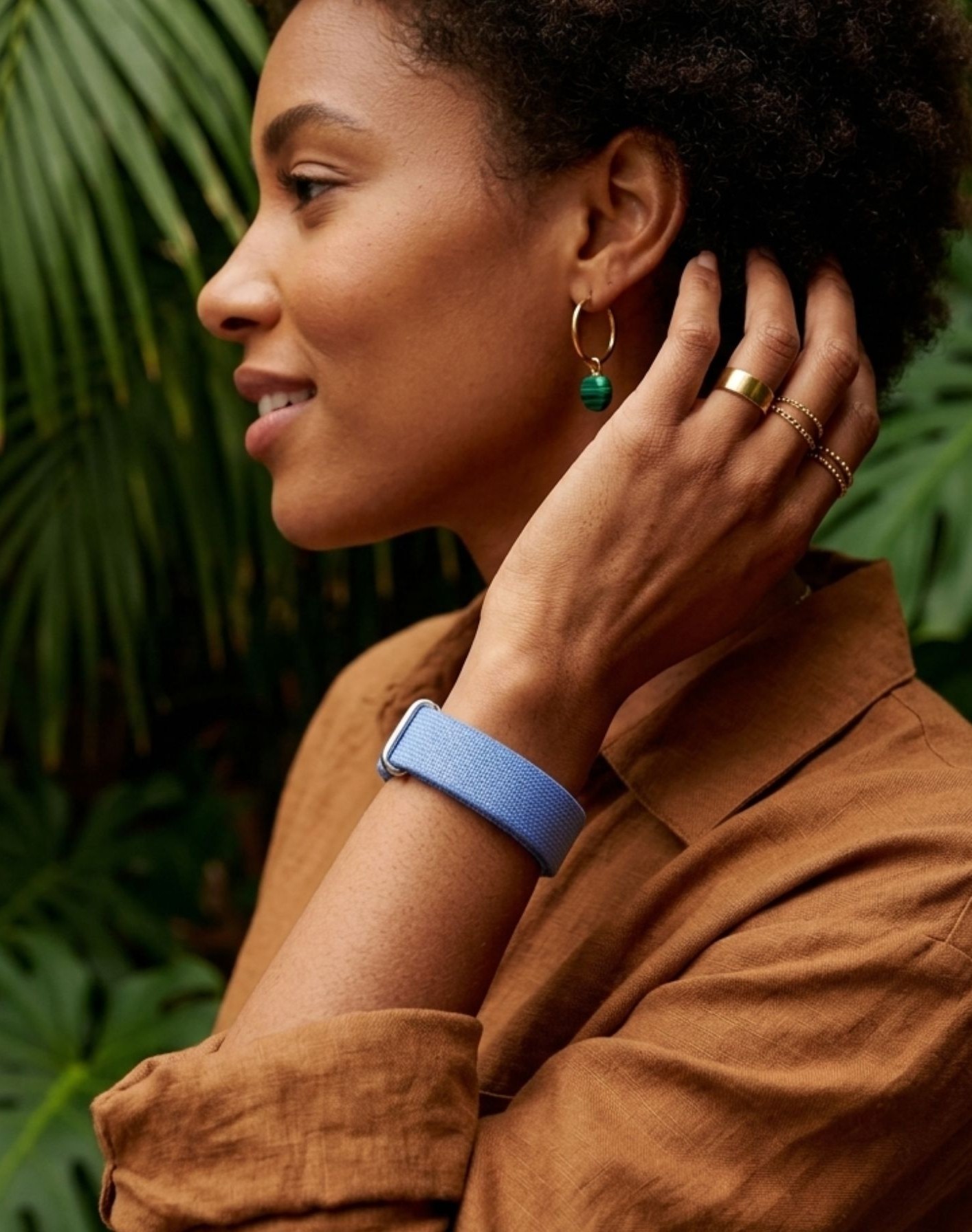
| Oura Ring Gen 4 | Sleep & recovery tracking | AI readiness score + personalized recovery guidance | View |
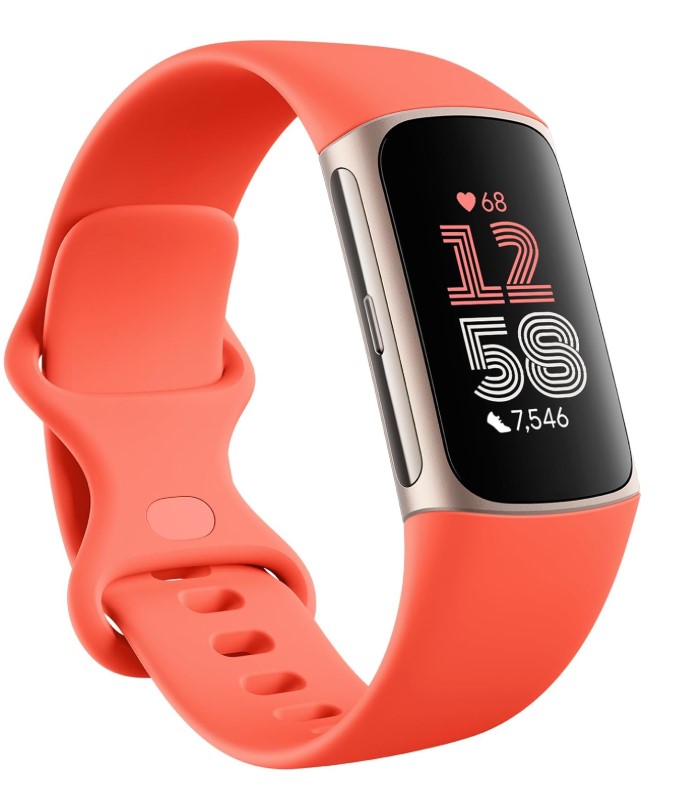
| Fitbit Charge 6 | All-day fitness & heart tracking | Google AI for smarter activity detection and recovery coaching | View |
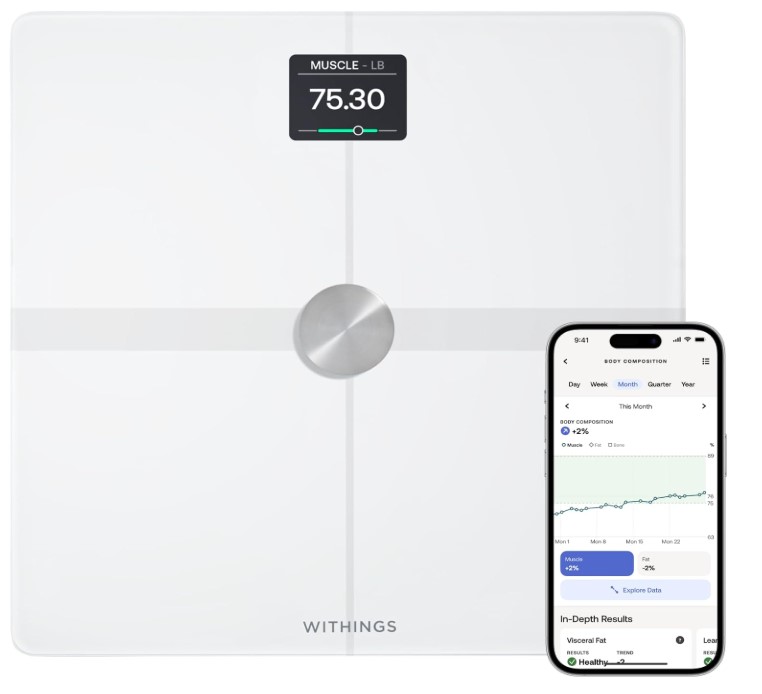
| Withings Body Smart 2025 | Weight + body composition | AI-based trend analysis and metabolic insights | View |
| BeePosture AI Trainer | Posture correction | Real-time AI feedback for spine alignment and back health | View |
| Fiture Smart Mirror | Home workouts & full-body training | AI form correction + motion tracking for real-time feedback | View |
4. In-Depth Fitness Gadgets Review
1. Oura Ring Gen 4
Type: AI-Powered Smart Ring
AI Features: Adaptive readiness score, sleep tracking, HRV analysis, recovery insights
Price: ~$299 (+ optional membership)
Why It’s a Top Pick
The Oura Ring Gen 4 offers advanced wellness tracking in a sleek, screen-free design. It monitors your sleep, heart rate variability, and body temperature, using AI to generate daily readiness scores that help you train or rest smarter.
Perfect for those who value recovery, sleep, and performance without the bulk of a smartwatch, Oura blends style with powerful health insights. It’s widely trusted by athletes, high-performers, and wellness enthusiasts alike.
What People Say
Users love its comfort, detailed sleep data, and simple design. The AI readiness score is often praised for helping people avoid overtraining. Some mention the paid membership adds value, but even the free features are strong.
| Key Insights | |
|---|---|
| ✅ Pros |
✔️ Discreet, comfortable design with no screen ✔️ Accurate AI-powered sleep and recovery tracking ✔️ Long battery life (up to 7 days) ✔️ Integrates with Apple Health, Google Fit, and Strava |
| ⚠️ Cons |
✘ Membership required for full insights ✘ No screen for real-time feedback ✘ Not ideal for strength or high-impact workout tracking |
| 🛡️ Ethical Insight | The Oura Ring collects sensitive biometric data. Users should review the privacy policy and app settings to control how data is used and shared. |
| Explore Oura Ring Gen 4 | |
2. Fitbit Charge 6
Type: AI-Enhanced Fitness Tracker
AI Features: Google AI for smart workout detection, recovery tracking, heart rate zone suggestions, personalized health coaching
Price: ~$150
Why It’s a Top Pick
The Fitbit Charge 6 is one of the most versatile AI fitness gadgets on the market. It builds on Fitbit’s trusted health tracking with added Google AI features, offering real-time workout recommendations, smarter heart rate analysis, and improved stress monitoring.
You get accurate tracking for over 40 exercise types, real-time ECG and SpO2 monitoring, and suggested recovery tips. With Google Maps, YouTube Music, and Wallet built-in, it’s more than just a tracker — it’s a full smart fitness companion.
It’s a top choice for users who want a slim, reliable, and AI-powered wearable that covers fitness, wellness, and smart features without the bulk of a smartwatch.
What People Say
Users love the clean design, long battery life, and precision of heart rate tracking, especially during HIIT or cardio. The Google AI integration is often praised for making workout suggestions feel smarter and more personalized. Some note that a Fitbit Premium membership unlocks the full power of its health insights.
| Key Insights | |
|---|---|
| ✅ Pros |
✔️ Advanced heart, stress, and sleep tracking ✔️ Google AI for smarter workout suggestions ✔️ Built-in apps like Maps, Wallet, and YouTube Music ✔️ Compact, lightweight, and durable for everyday wear |
| ⚠️ Cons |
✘ Some features locked behind Fitbit Premium ✘ No full app store like smartwatches ✘ Requires Google account for setup and syncing |
| 🛡️ Ethical Insight | Fitbit now falls under Google’s data umbrella. Be sure to manage data sharing settings and understand how your fitness and location data are handled. |
| Explore Fitbit Charge 6 | |
3. Withings Body Smart 2025
Type: AI-Enhanced Smart Scale
AI Features: Body composition analysis, metabolic age tracking, AI-based trend forecasting
Price: ~$199
Why It’s a Top Pick
The Withings Body Smart 2025 does more than track your weight — it gives you a complete view of your body, including fat, muscle, and metabolic health. Its built-in AI analyzes trends and predicts where your progress is heading, helping you adjust your goals in real time.
It’s ideal for users who want clear, actionable insights without being overwhelmed by data. The app is beginner-friendly, and it syncs smoothly with most health platforms.
What People Say
Users love the simple setup, detailed metrics, and the way it auto-recognizes different users. The AI-driven forecasts are a standout, especially for those working on long-term goals like fat loss or strength building.
| Key Insights | |
|---|---|
| ✅ Pros |
✔️ Tracks full body composition, not just weight ✔️ AI forecasts trends and metabolic insights ✔️ Recognizes multiple users automatically ✔️ Syncs with Apple Health, Google Fit, and MyFitnessPal |
| ⚠️ Cons |
✘ Requires Wi-Fi and app setup for full features ✘ AI predictions depend on consistent usage ✘ Not a substitute for medical body scans |
| 🛡️ Ethical Insight | Withings stores sensitive health data in the cloud. Make sure to enable two-factor authentication and review what data is shared with third-party apps. |
| Explore Withings Body Smart | |
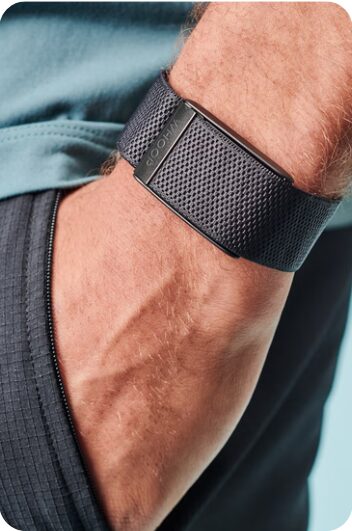
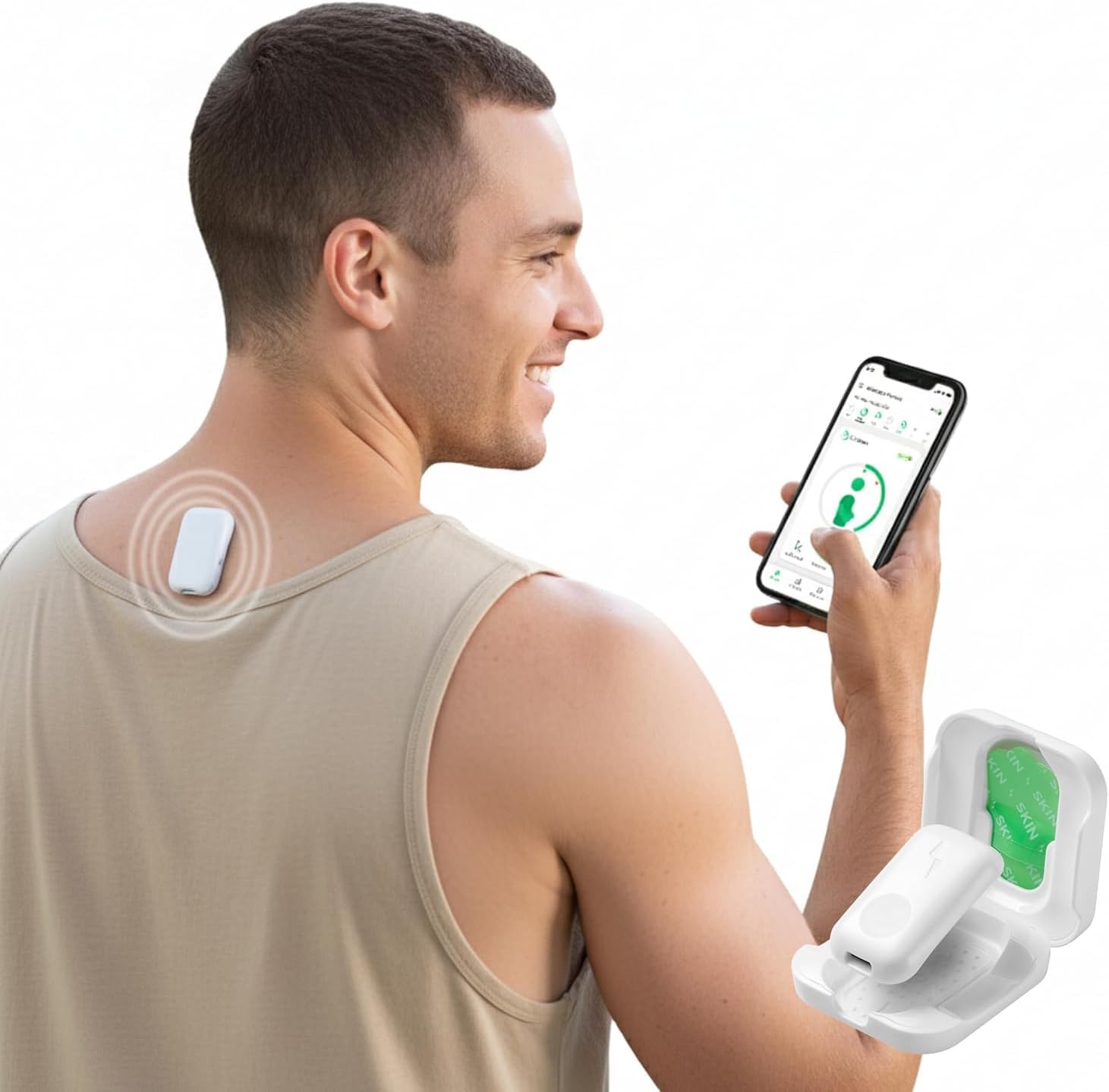
4. BeePosture AI Trainer
Type: AI-Powered Posture Corrector
AI Features: Real-time slouch detection, posture scoring, adaptive feedback via vibration alerts
Price: ~$79
Why It’s a Top Pick
The BeePosture AI Trainer is a small, wearable device that helps you improve posture through AI-driven feedback. Worn between the shoulders or on the back, it detects when you slouch and gently vibrates to remind you to correct your form.
Unlike basic correctors, BeePosture uses machine learning to track your habits over time and show progress in the companion app — ideal for anyone sitting at a desk all day, working from home, or recovering from back strain.
What People Say
Users appreciate the subtle reminders, clear daily posture scores, and lightweight design. Many say it’s helped reduce neck and back tension during long work sessions. It’s especially popular among remote workers and students.
| Key Insights | |
|---|---|
| ✅ Pros |
✔️ Real-time posture correction via gentle vibration ✔️ Tracks posture trends and improvements over time ✔️ Lightweight and discreet under clothing ✔️ Great for desk workers and back pain prevention |
| ⚠️ Cons |
✘ Requires consistent wear for best results ✘ May feel awkward during first use ✘ Limited use during high-movement activities |
| 🛡️ Ethical Insight | BeePosture collects posture and motion data. Users should review privacy terms and avoid syncing unnecessary personal details to third-party apps. |
| Explore BeePosture AI Trainer | |
5. Fiture Smart Mirror
Type: AI-Powered Home Gym Mirror
AI Features: Real-time form correction, rep counting, adaptive workout feedback, motion tracking
Price: ~$995 (varies by bundle)
Why It’s a Top Pick
The Fiture Smart Mirror turns your wall into a full personal training studio — no bulky equipment required. It uses built-in motion sensors and AI form correction to guide your movements during workouts, helping you train safely and effectively from home.
With hundreds of on-demand classes and real-time feedback, it’s ideal for those who want personalized training without going to the gym. The mirror tracks your reps, adjusts routines, and keeps you motivated — all through a sleek, interactive display.
What People Say
Users love the clean design, motivating interface, and real-time corrections. Many say it helps them stay consistent and confident in form. Some note the cost is higher, but the tech and variety of workouts make it a worthwhile investment.
| Key Insights | |
|---|---|
| ✅ Pros |
✔️ Real-time form correction using motion sensors and AI ✔️ Wide variety of guided workouts on a sleek interface ✔️ Integrates into any room as a stylish full-length mirror ✔️ Suitable for all fitness levels, from beginner to advanced |
| ⚠️ Cons |
✘ Requires monthly subscription for full content access ✘ Needs space and wall clearance to use effectively ✘ Limited features without internet connection |
| 🛡️ Ethical Insight | Fiture uses AI-based motion tracking, which may involve camera data. Users should ensure that permissions and privacy settings are properly configured at home. |
| Explore Fiture Smart Mirror | |
These five AI fitness gadgets show how smart technology is transforming the way we train, recover, and stay healthy. Whether you’re tracking your sleep, improving posture, or following guided workouts at home, these tools offer personalized support that goes far beyond basic tracking.
5. How to Choose the Right AI Fitness Device
Not every gadget fits every goal — and with so many AI fitness gadgets on the market in 2025, it’s easy to get overwhelmed. Here’s how to pick the right one for your lifestyle, training style, and long-term motivation.
Match It to Your Type of Training
Choose a gadget that supports what you actually do — or want to do:
-
For sleep and recovery → Try Oura Ring Gen 4
-
For all-day fitness tracking → Use Fitbit Charge 6
-
For posture and back health → Go for BeePosture AI Trainer
-
For strength and composition goals → Look at Withings Body Smart
-
For guided home workouts → Check out Fiture Smart Mirror
Decide How Much Feedback You Want
Not all AI fitness gadgets give the same level of guidance. Ask yourself:
-
Do I want basic tracking or smart feedback?
-
Do I want real-time coaching or just data reports?
-
Am I motivated by AI-powered readiness scores, alerts, or reminders?
Think Ecosystem: What Will It Sync With?
The best AI fitness gadgets should work with the apps and platforms you already use:
-
Apple Health
-
Google Fit
-
Strava
-
MyFitnessPal
Make sure the device can export and sync data easily — this saves time and helps consolidate insights across tools. Our full AI Gadgets 2025 guide features devices that play well across multiple ecosystems.
Don’t Forget Long-Term Usability
Before clicking “Buy Now,” ask yourself:
-
Battery life – will it last all day or all week?
-
Comfort – will I wear it consistently?
-
Subscription – does it lock key features behind a monthly fee?
-
Support – is the app updated and reliable?
Choosing an AI fitness gadget you’ll actually use long-term is more important than picking the one with the flashiest marketing.
Check Privacy and Data Control
Many AI tools collect sensitive data — like heart rate, stress levels, menstrual cycles, and even sleep behaviors. Always:
-
Review the privacy policy
-
Opt out of third-party data sharing
-
Use 2FA where available
6. AI & Fitness: Ethical Reflection
AI is revolutionizing how we train, track, and improve — but with great personalization comes greater responsibility. Before integrating AI fitness gadgets into your daily routine, it’s worth pausing to reflect on how they impact your mindset, habits, and personal data.
What to Know Before Giving Your Data to Your Wrist
Most AI fitness gadgets collect biometric data like:
-
Heart rate
-
Sleep stages
-
Skin temperature
-
Stress indicators
-
Body composition
This data is often stored in the cloud and used to personalize insights — but it can also be shared with insurance providers, fitness partners, or third-party apps depending on the device’s privacy policy.
Always read the small print.
Disable auto-sharing when possible.
Use tools with transparent, customizable privacy settings.
Check Mozilla’s Privacy Not Included guide to see how different wearables handle user data.
The Fine Line Between Motivation and Obsession
While AI fitness gadgets can be motivating, they can also become compulsive. You might start chasing numbers — instead of listening to your body.
Ask yourself:
-
Do I feel anxious when I skip tracking?
-
Am I overriding how I feel because my “readiness score” says I’m fine?
-
Is the gadget making me healthier — or just busier?
It’s essential to use AI tools as guides, not dictators. Some users even build rest days from tech into their fitness plans — no rings, no reminders, just recovery.
🌱 How to Use AI for Better Habits, Not Just More Data
Here’s how to make AI fitness gadgets truly work for you:
-
Set goals the device can help with — not just general tracking
-
Act on insights (like sleep quality or posture) with small changes
-
Don’t obsess over perfection — progress over performance
-
Reassess your data use monthly and adjust notifications, insights, or app settings
When used mindfully, AI can help you build long-term habits that stick — with or without the gadget.
7. Final Thoughts
The world of AI fitness gadgets is evolving fast — and smart tools are no longer limited to elite athletes or tech lovers. Today, anyone can access personalized insights, real-time coaching, and smarter recovery routines using compact, connected devices.
In this post, we focused on gadgets that combine usability, intelligence, and real-world results, not just hype. From sleep rings to posture trainers, what they all share is the ability to make your fitness journey more intuitive — not more complicated.
But as always: don’t buy for features, buy for fit.
Choose tools you’ll actually use, trust, and feel good about — and stay mindful of how they influence your health and habits.
Want more curated AI tools and honest reviews like this?
Subscribe to our free newsletter to get weekly updates on the best AI gadgets, tools, and productivity tips — no noise, just the smart stuff.
8. FAQ – AI Fitness Gadgets (2025)
Q1: What is the best AI fitness gadget in 2025?
It depends on your goals. The Oura Ring Gen 4 is ideal for sleep and recovery. Fitbit Charge 6 is best for everyday fitness tracking with Google AI. For home workouts, the Fiture Smart Mirror offers AI-driven motion coaching. All of these AI fitness gadgets are top-rated for their precision and usefulness.
Q2: Are AI fitness trackers accurate?
Yes, most AI fitness gadgets use sensors that are accurate for heart rate, sleep, movement, and stress detection. However, results can vary depending on how you wear them and how consistent you are. Always wear your device properly and keep software updated for best results.
Q3: Do I need a subscription to use AI smart gym devices?
Some AI fitness gadgets, like Oura Ring and Fiture Mirror, offer basic features without a subscription, but premium insights often require a monthly plan. Check the product details before buying so you’re not surprised by extra costs.
Q4: Are AI fitness wearables safe for health tracking?
Yes, they are designed with consumer safety in mind. Still, it’s important to protect your data. Choose gadgets with strong privacy settings, secure cloud storage, and the ability to control what gets shared.
Q5: What’s the difference between a smart fitness tracker and an AI fitness gadget?
A smart tracker collects data like steps and heart rate. An AI fitness gadget goes further — it analyzes your patterns and gives personalized feedback, predictions, or coaching. AI tools adapt to your habits, making your fitness smarter and more responsive over time.