

1. Meta Ray-Ban Display — The Smart Glasses Everyone's Still Waiting For
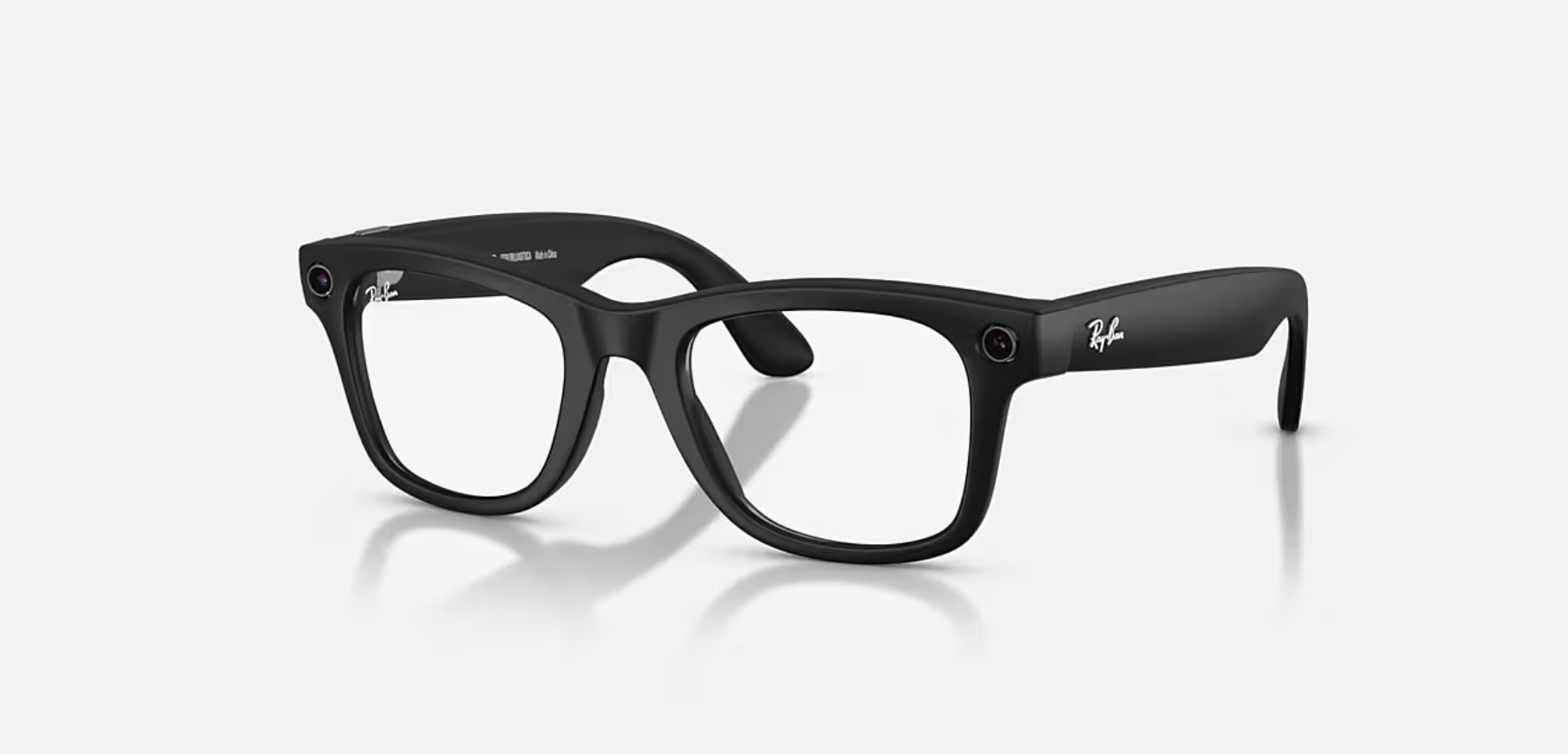
The Meta Ray-Ban Display is the clearest example of a trending AI gadget backed by real demand rather than a marketing push. It launched at $799 in September 2025 with an in-lens HUD and a companion Neural Band that reads finger gestures through your skin.
My research turned up something more telling than the spec sheet: Meta's own January 2026 update confirmed it paused the glasses' international rollout because US waitlists were already booked out for months. That's not manufactured hype — that's a supply problem caused by real orders.
That HUD is the real differentiator here. Every other gadget on this list skips a screen entirely — this is the only device in the group that shows text, walking directions, and a camera viewfinder directly in your field of view, at up to 5,000 nits of brightness, according to Meta's own product page.
Battery life is the honest catch: Meta lists roughly six hours of mixed use, noticeably shorter than the earbuds and rings further down this list. At 69 grams the frame also runs a touch heavier than the standard Ray-Ban Meta glasses, and prescription support currently tops out around ±4.
✅ Pros
|
⚠️ Cons
|
I put this head-to-head against its closest sport-frame rival in my Ray-Ban Display vs Oakley Vanguard comparison if style and durability matter more to you than the HUD.
See current Meta Ray-Ban Display pricing & availability Check Price →2. Plaud NotePin S — The AI Pendant Everyone Suddenly Owns
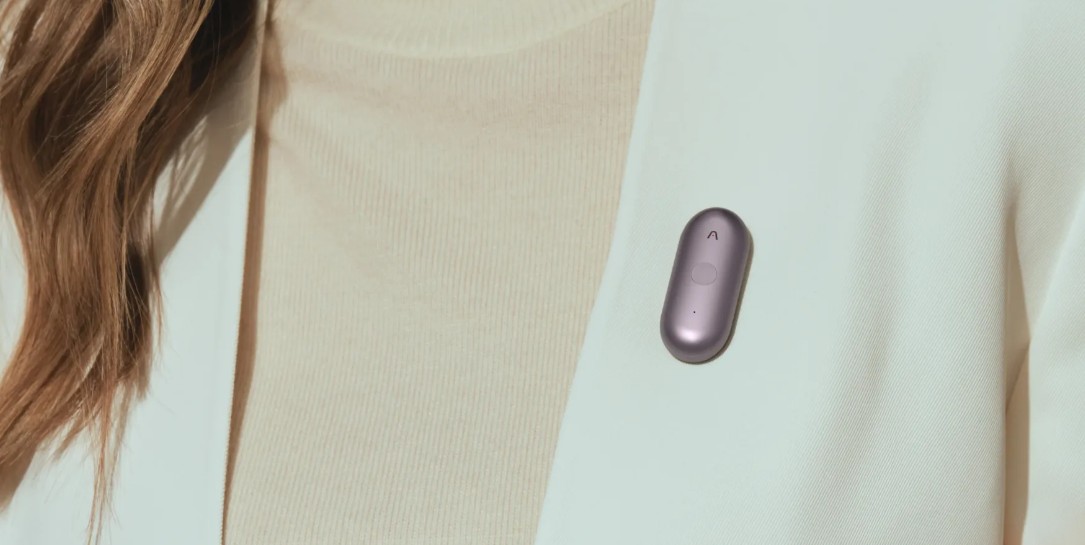
The Plaud NotePin S is the trending AI gadget nobody predicted a year ago: a $179 pin-sized recorder that clips to a shirt, wristband, or lanyard and quietly transcribes whatever's happening around you.
I've spent some hands-on time with the NotePin myself, and what struck me is how closely that experience lines up with what other reviewers report — it just works, without the setup friction some AI wearables demand before they're actually useful.
Every unit ships with a free tier of 300 transcription minutes a month across 112 languages, with speaker labels included at no extra cost. Push past that and Plaud's Pro plan runs $17.99 a month (or $99.99 a year for the same tier), with Unlimited landing near $20 a month on annual billing.
The category itself is the real story here. Plaud told Bloomberg it's on pace for roughly $500 million in sales in 2026 — a number that only holds up if ordinary people, not just gadget reviewers, are actually wearing one daily.
✅ Pros
|
⚠️ Cons
|
For a deeper look at the desktop-side features against pure software alternatives, I already covered that in my full Plaud Note Pro review.
See current Plaud NotePin pricing & bundles Check Price →3. Oura Ring Gen 4 — The Trending AI Gadget You Wear Instead of a Watch
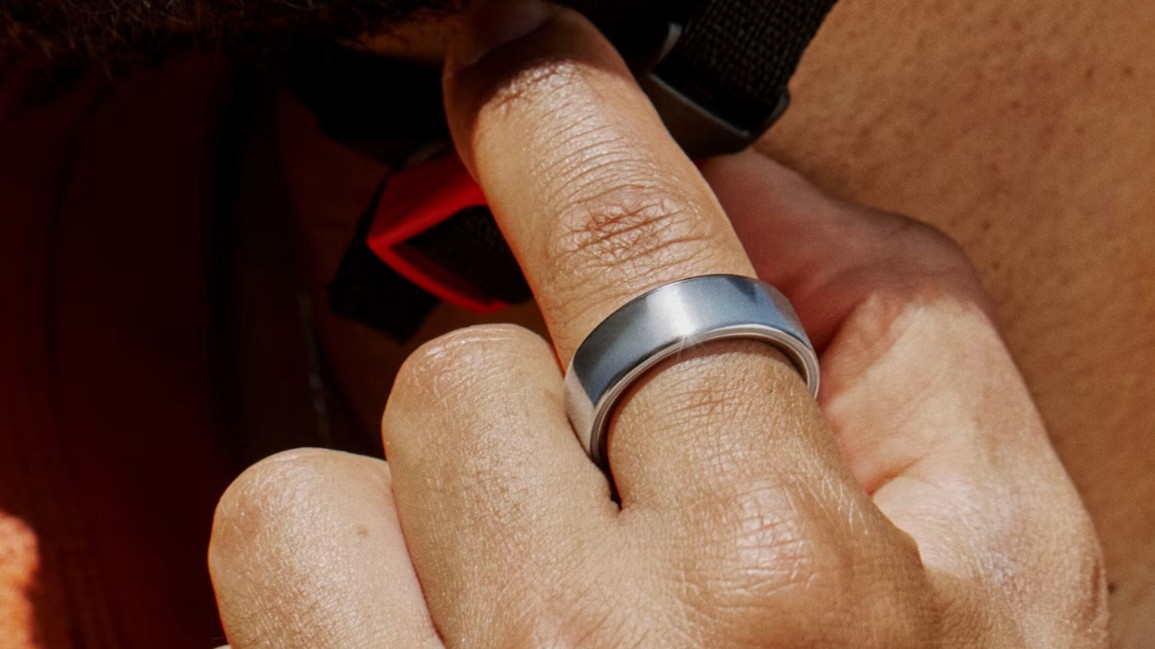
Oura Ring Gen 4 keeps showing up in trending AI gadget roundups for a simple reason: sleep and recovery tracking that's hard to beat from a smartwatch, packed into a plain titanium ring instead of a wrist screen.
Pricing starts at $349 for Silver or Black, climbing to $399–$499 for premium finishes like Gold or Ceramic — and that's before the mandatory Oura Membership, which runs $5.99 a month or $69.99 a year.
That membership isn't optional in any practical sense. Without it, the ring shows only basic step counts and daily summaries — the Readiness Score, HRV trends, and sleep-stage detail that make Oura worth wearing all sit behind the subscription. Budget closer to $419 for a realistic first year, not $349.
Gen 4's real upgrade over Gen 3 is comfort: recessed sensors replace the raised bumps that used to dent fingers after long wear. Oura's own claim of up to eight days of battery life mostly holds if you skip continuous blood-oxygen monitoring — expect closer to five or six days with every feature switched on.
✅ Pros
|
⚠️ Cons
|
If the subscription is a dealbreaker, I cover ring and band alternatives without a monthly fee in my Best AI Wearables roundup.
See current Oura Ring Gen 4 pricing & finishes Check Price →4. Motorola Razr (2026) — Still the Budget Pick, at a Higher Price
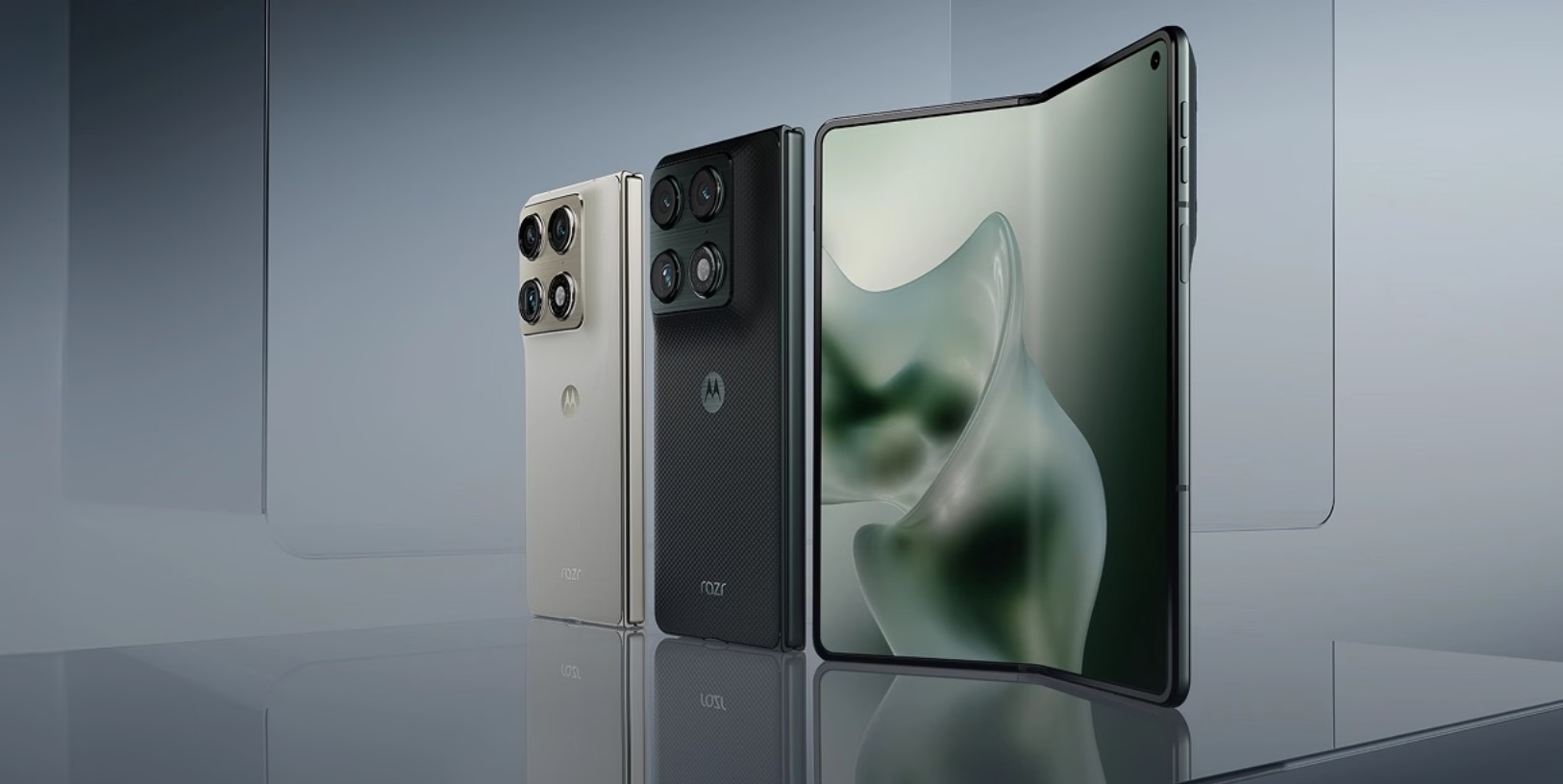
The Razr line got a full refresh on May 28, 2026, which matters if you've seen this trending AI gadget pop up on older "2025" lists — that model is now a full generation behind. The current base Motorola Razr starts at $799, with the Razr+ at $1,099 and the Razr Ultra at $1,499.
Even at the higher price, it's still the cheapest real way into a flip phone — PhoneArena's hands-on testing put the base model well below Samsung's $1,100 Galaxy Z Flip 7, with a bigger battery and better cameras than the previous generation.
All three 2026 models carry Gorilla Glass Victus protection (Gorilla Glass Ceramic 3 on the Ultra) and meet military durability standards for the first time in the line's history — a real upgrade over the more fragile early Razr generations, according to Motorola's own 2026 product announcement.
✅ Pros
|
⚠️ Cons
|
5. Timekettle W4 Pro — Real-Time AI Translation, No Subscription
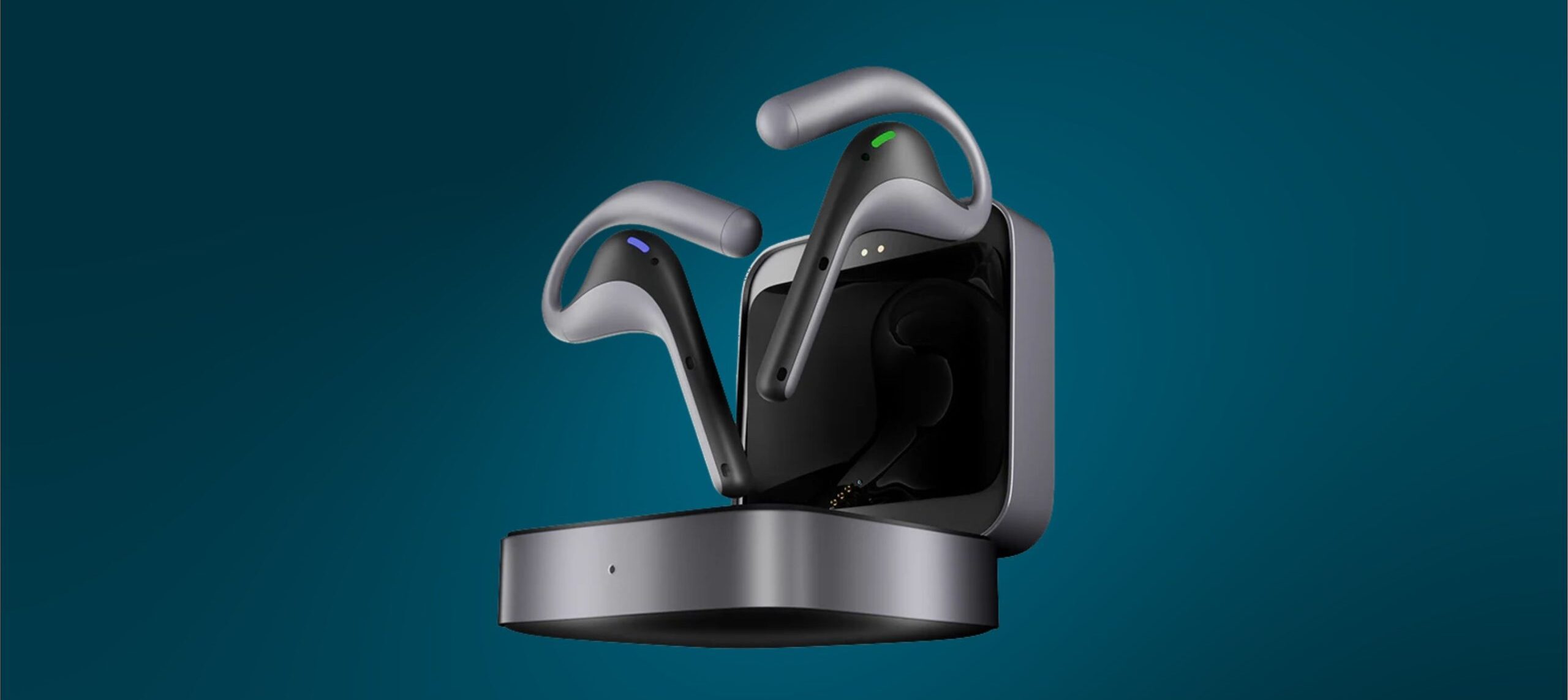
The Timekettle W4 Pro is the one trending AI gadget on this list with a one-time price and no monthly fee attached: $449, covering real-time two-way translation across roughly 40 languages and 93 accents.
My research turned up a pricing detail most product pages leave out: only two offline language packs come free at purchase — every pack after that costs $10 a pair. The 300-minute monthly cap that gets mentioned in reviews only applies to Media Translation mode; face-to-face conversation translation has no limit.
The split charging case is a small but deliberate design choice: two people can each wear one earbud and stay in the same live conversation, instead of passing a single phone back and forth. Accuracy also isn't uniform across every language — reviewers consistently report smoother results on French and Spanish than on lower-resource languages like Romanian or Ukrainian.
✅ Pros
|
⚠️ Cons
|