Mirko
AI Tech Writer
Before a hiring manager ever opens your file, the AI resume tools built into their applicant tracking system have usually already screened it — and by most 2026 estimates, roughly seven in ten resumes never survive that first automated pass. That's not a reason to panic, it's the reason candidates now need their own tools working the other side of that same gate. I compared the AI resume tools people are actually paying for in 2026 — real pricing, what each one fixes, and which ones are worth the money.
Some links on this page may become affiliate links · they'd support this site at no extra cost to you · Full disclosure
Why Your Resume Meets an AI Gatekeeper First
AI resume tools exist because the resume-reading process stopped being human-first years ago. An applicant tracking system now filters applications before a recruiter opens a single file, and that system is doing real screening, not just storage.
Those numbers are widely repeated across the AI resume tools comparison sites I reviewed for this piece. The software scores for keyword match, clean field extraction, and formatting — a resume that fails any of those checks can get filtered regardless of how qualified the person behind it actually is.
What the Screening Software Is Actually Checking
Most ATS platforms extract text into fixed fields — job titles, dates, skills — before any keyword scoring happens. Multi-column layouts, text boxes, and embedded graphics are the most common cause of a resume getting misread or dropped entirely, which is exactly the problem AI resume tools like Jobscan and Rezi are built to catch before you hit submit.
The average U.S. job search runs about 68.5 days, according to Bureau of Labor Statistics data — long enough that the time a handful of AI resume tools save on tailoring usually pays for itself several times over. I've already covered what recruiters themselves use to screen candidates — this post is the other half of that same arms race.
Best AI Resume Tools Compared
The AI resume tools space splits into two real categories: builders that write and format a resume for you, and scanners that grade a resume you already have against a specific posting. Most job seekers need one of each, not four subscriptions doing overlapping work.
Jobscan — Best for Matching a Specific Job Posting
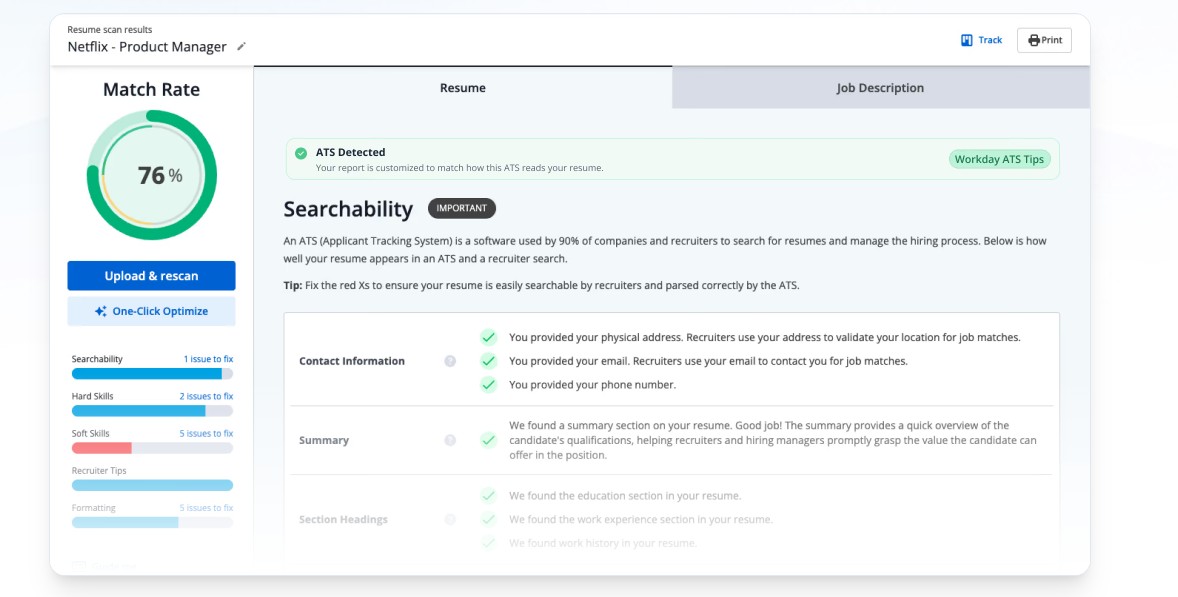
Jobscan checks a resume against named systems — Workday, Greenhouse, Taleo, and iCIMS specifically — instead of a generic score. The free tier includes 5 scans at signup plus 5 more every month; Premium runs $49.95/mo, dropping to roughly $29.98/mo on the quarterly plan.
Teal — Best for Tracking Every Application
Teal's free plan is the most generous of the group — unlimited resumes and unlimited job tracking, no card required. Its paid tier bills weekly, around $9–13, an unusual structure in this category that's easy to miss when you're only comparing sticker prices against monthly competitors.
Kickresume — Best AI Writing for Bullets & Summaries
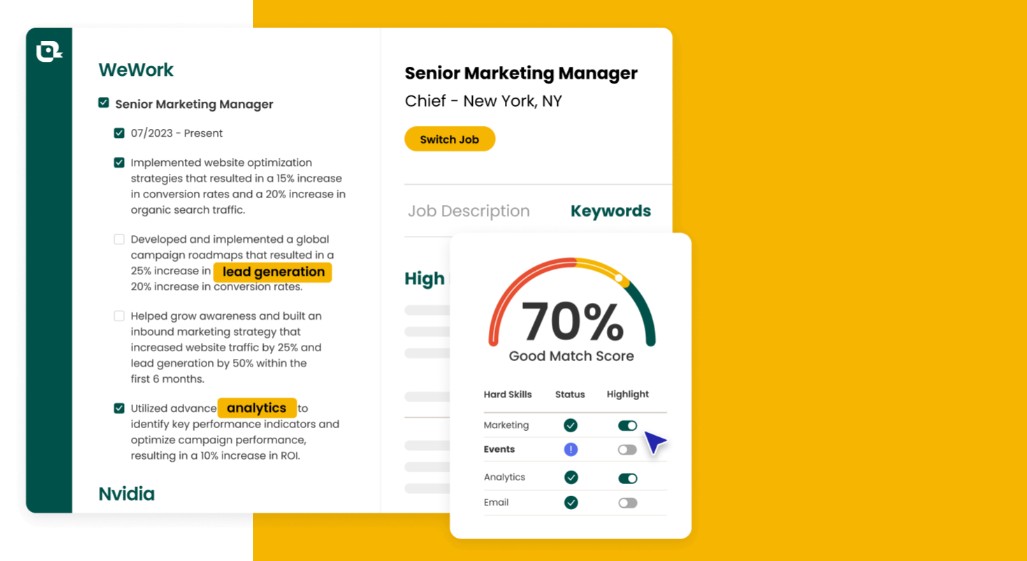
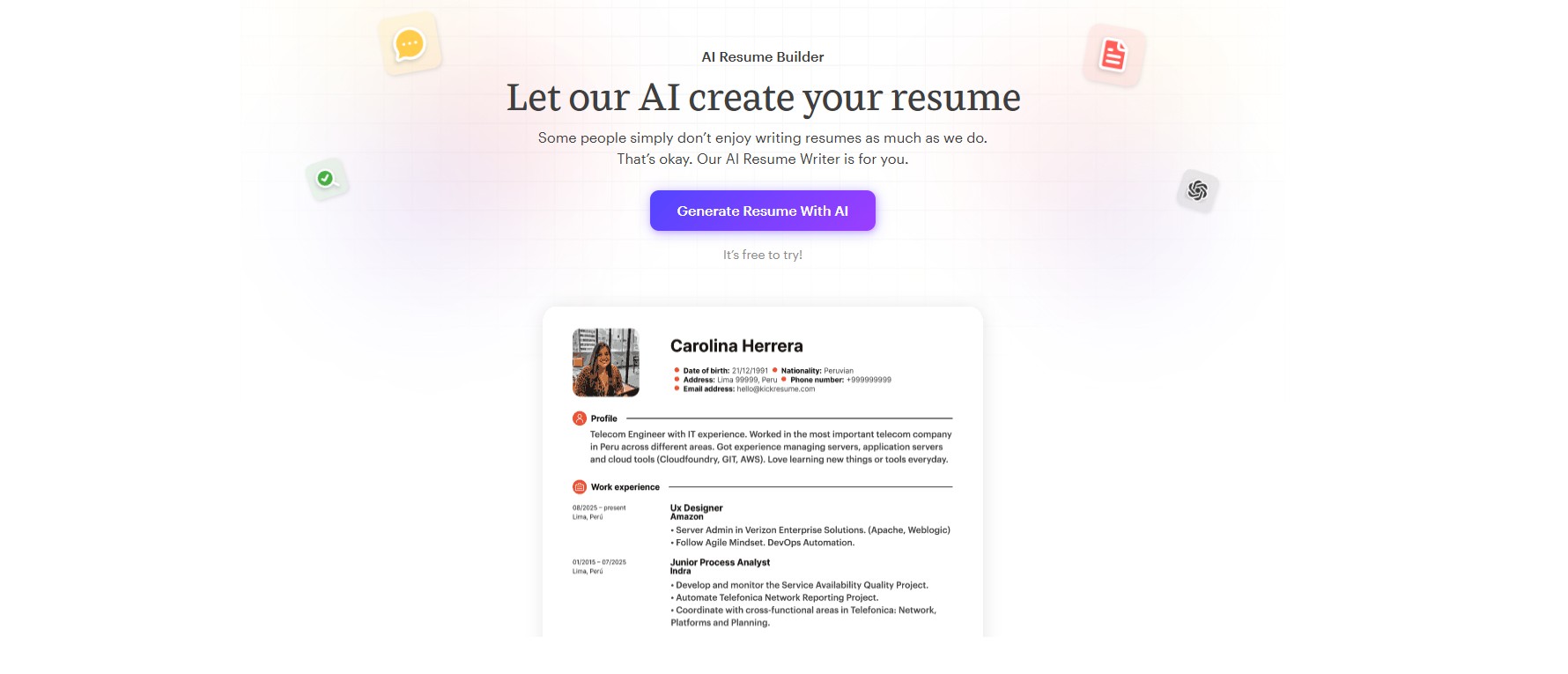
Kickresume's GPT-powered writer, tuned on recruiter feedback, drafts noticeably more polished first-pass summaries than most generic AI resume tools I reviewed. Premium runs $24/mo billed monthly, or as low as $7–8/mo on the annual plan.
Rezi — Best for a Live ATS Score While You Edit
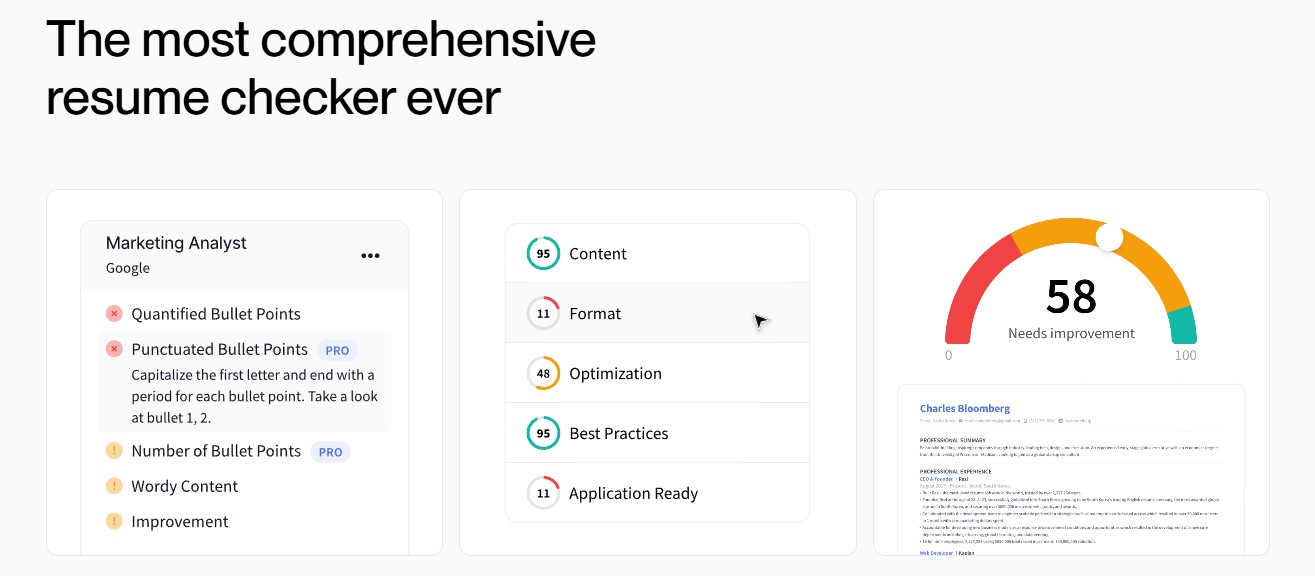
Rezi shows a real-time 1–100 score as you type. A $149 lifetime plan sits alongside the more typical $29/mo subscription — worth comparing against a few months of any competitor's recurring fee.
| Tool | Best For | Starting Price | Free Tier |
|---|---|---|---|
| Jobscan | Matching a specific posting | $49.95/mo | 5 scans + 5/month |
| Teal | Tracking every application | ~$9–13/week | Unlimited resumes & tracking |
| Kickresume | AI-written summaries & bullets | $24/mo | Unlimited free resumes |
| Rezi | Live ATS score while editing | $29/mo or $149 lifetime | Limited free plan |
Free AI Resume Tools You Can Use Right Now
Not every useful option here is a paid subscription. ChatGPT and Claude can both draft strong resume bullets for free if you give them the right input: the exact job posting, your real accomplishments with numbers attached, and a direct instruction to mirror the posting's language without inventing anything you didn't actually do.
I've written before about getting more out of Claude for everyday work — the same prompting habits apply directly here: paste the job description, paste your rough bullet points, and ask for three rewritten versions ranked by how closely each matches the posting's own keywords.
Free AI Resume Tools for the ATS-Check Step
Jobscan's free tier and Kickresume's built-in ATS checker both catch formatting problems — text boxes, tables, unusual fonts — that a human reader would never notice but an ATS parser chokes on. Running a free scan before you send anything out costs nothing but two minutes.
Once the wording is solid, run it through a final language pass with Grammarly or ChatGPT — a stray grammar slip undoes the credibility every other AI resume tool on this page just helped you build.
Building a Job-Search AI Stack Without Overpaying
For most people, two tools cover the real workflow: one that writes and formats (Kickresume or Teal), and one that scores against the actual posting (Jobscan's free tier is often enough here). Add a second paid scanner only once you're sending 15+ tailored applications a week and the manual scan-revise cycle is eating real time.
When It's Worth Paying, and When It Isn't
A paid plan earns its cost fastest for career changers translating skills across industries, and for anyone targeting large companies where named-ATS matching (Workday, Greenhouse) actually changes what gets flagged. Early-career job seekers sending fewer, more targeted applications usually do fine on free tiers alone.
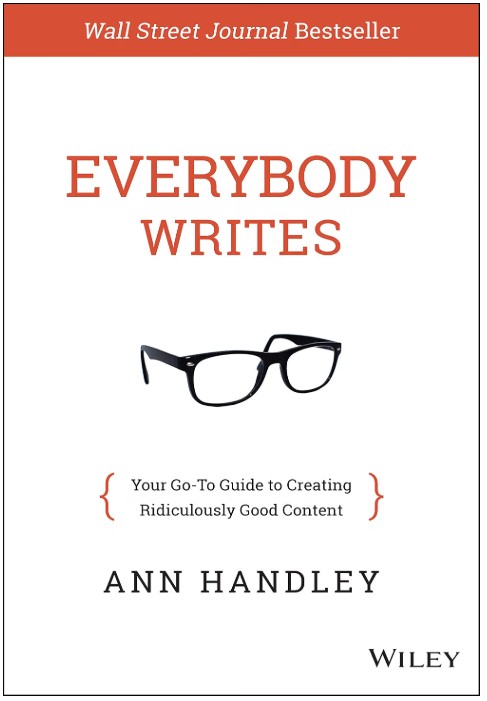
Every one of the AI resume tools in this comparison still needs you to feed it real, specific language — that's the actual skill this book teaches. It's the fastest way to spot when a draft still reads like everyone else's.
See the Book →Frequently Asked Questions — AI Resume Tools
🎯 Sharpen the Rest of Your Job-Search Stack
Your resume is only the first checkpoint the AI resume tools above help you clear. Here's what else is worth tightening before you hit submit: