
Mirko
AI Tech Writer
AI tool hype vs reality is the real question behind every "best AI tools" roundup.
Most tools that dominate a launch week don't survive their first year.
This filter comes from two years spent tracking affiliate programs for exactly these tools — watching which ones lasted.

Some links are affiliate links · they support this site at no extra cost to you · Full disclosure
Why "Staying Ahead of AI" Isn't the Real Problem
Every "AI trends to watch" post treats each new launch like it's the future arriving on schedule.
A tool can dominate a week of social feeds and quietly disappear months later. That pattern repeats more often than most coverage admits.
Launches are the least reliable signal an AI tool gives you — survival is.
Where This Analysis Has Limits
Even researchers who study AI full-time get surprised by how fast it moves. Certainty is rarely honest here, and treating any single source — this one included — as the final word is a mistake.
Two related pieces cover this in more depth: AI hallucinations and how voice assistants work.
What AI Hype Actually Costs You
AI tool hype has a real cost, and it isn't just wasted time. The FTC's Operation AI Comply initiative exists specifically because so many companies exaggerate what their AI product does.
The Real Costs of AI Hype
- 💸Financial risk — subscribing to a platform before it's proven itself
- 🔓Data exposure — sensitive data shared before it's clear how it's stored or reused
- ⚖️$48.6 million settlement — the FTC's Growth Cave case, one of over a dozen "AI washing" actions since 2024
Hype doesn't just waste time anymore — it's something regulators are actively fining companies over.
A Recent Example
The Leonardo vs Midjourney comparison is a clear case study — both rode the same hype wave, and only one held up once the novelty wore off.
Where the Real Signal Comes From
The most reliable signals come from a small, consistent set of sources — not headline chasing.
- 📰Newsletters & research hubs — Ben's Bites and The Rundown AI flag shifts weeks before mainstream coverage
- 💻Changelogs & GitHub activity — where a tool is improving, not just what it's promising
- 💬Community feedback — r/MachineLearning and creator Discord servers surface what press releases leave out
A changelog shows what changed. A community thread shows whether it mattered.
The open-source AI models piece grew directly out of watching developer communities debate a release, not from a company's own announcement.
The Four-Question Filter for Evaluating Any AI Tool
Not every AI tool earns a full review. Four questions decide what does.
It's a lighter version of the instinct behind NIST's AI Risk Management Framework, sized for one tool instead of an enterprise rollout.
| Question | What to Check |
|---|---|
| Real use case | Does it solve a problem you can name, or repackage an old feature with new buzzwords? |
| Sustainability | Reliable updates and real backing, or a project that could vanish in six months? |
| Transparency | Is it clear how your data is handled, even without knowing exactly how the model works? |
| Ethical impact | Could this raise privacy, bias, or misuse concerns worth flagging to readers? |
The Harpa AI review is a good example of this filter at work — it mattered more than the marketing page did.
The Toolkit Behind This Process
Each tool in the box above earns its spot for a specific, functional reason:
- 📈Google Trends — comparing search interest across regions and time separates a real shift from a one-week spike
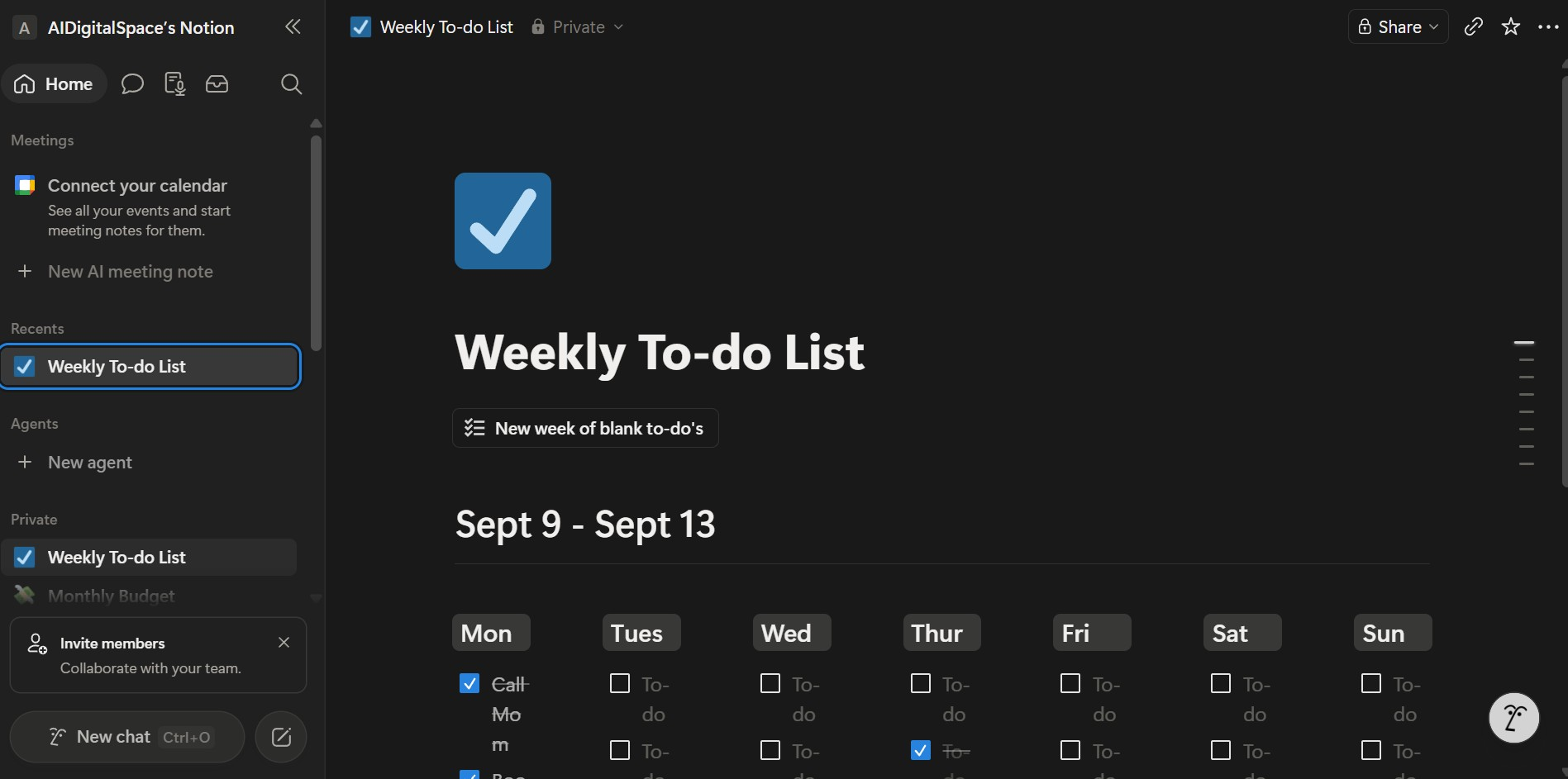
- 🗂️Notion — research notes and a project pipeline, tagged by priority, in one place
- 🎨Canva Pro — hero graphics, social images, and the icon-style callouts used throughout this site
- ✍️Grammarly — a lighter final editing pass, tested hands-on rather than used as a first-draft tool
Turning Research Into a Repeatable Workflow
The tools only matter if they run in the same order every time.

For something more structured than a single Notion page, Taskade's free tier covers shared checklists well.
Build Your Own Filter in 3 Steps
This works whether you're a student, a freelancer, or a small business owner — no site required.
| Step | What to Ask |
|---|---|
| Real need | Does this tool solve a problem you actually have? |
| Reliability | Is the company or community behind it stable enough to last? |
| Safety | Are you comfortable with how your data will be used? |
Log results in a lightweight organizer — even a free Notion page works. For where to start, the AI tools for beginners guide is a good next step.
Why Trending Isn't Enough to Earn Coverage
Every viral AI tool raises questions that get skipped in the excitement: who benefits, how is the data used, and what happens if adoption moves faster than scrutiny?
A tool promising a shortcut can hide a business model built on user data. Slowing down before recommending anything is the only real protection against that.
Trust is the actual product here. Hype is just the packaging.
Recommended Read
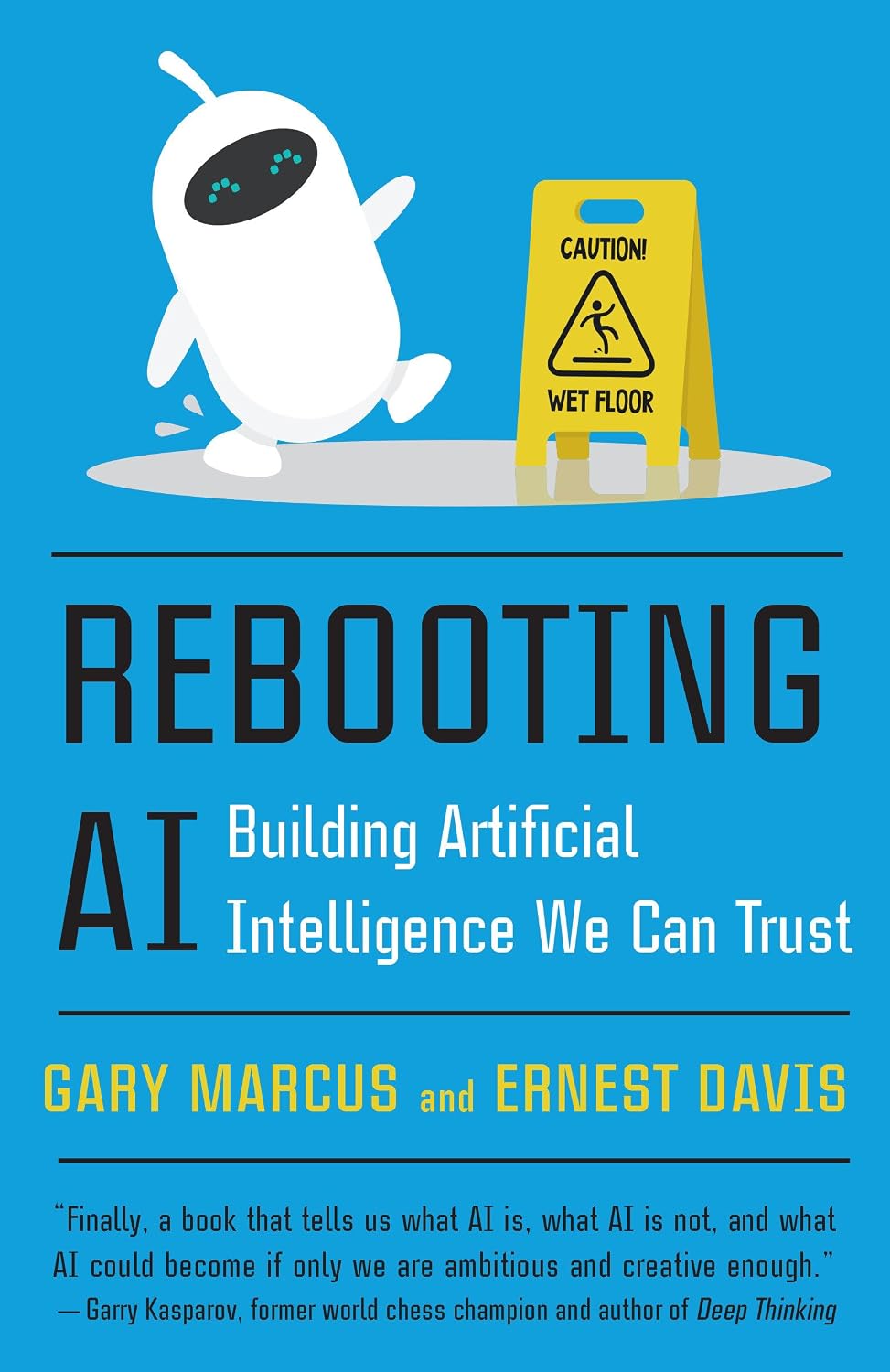
Rebooting AI: Building Artificial Intelligence We Can Trust
Gary Marcus & Ernest Davis
The clearest published breakdown of the gap between what AI demos promise and what AI systems deliver — the same distinction this filter is built around.
See the Book →
Common Questions
Frequently Asked Questions — AI Tool Hype vs Reality
The Real Filter: Choose What Survives, Not What's Loud
Staying ahead of AI tool hype was never really the goal. Filtering it was — and that's the whole point of everything above.
Pick one AI tool habit from this post — a weekly Google Trends check, the four-question filter, even just reading a changelog before you believe a headline — and build from there.
🔍 Spot the Next Hype Cycle Before It Costs You
A few places to put this filter to work right away: