
What Changed in AI Fitness Gadgets for 2026
Three things reshaped this category since my last update. Oura released the Oura Ring 5 on June 4, 2026, pushing the old Gen 4 into clearance. Google finally launched a real Fitbit hardware refresh — the Fitbit QAir, a $99 screenless tracker aimed squarely at Whoop. And Whoop itself changed its entire business model: you can no longer buy a Whoop 5.0 outright.
That last point matters more than it sounds. WHOOP does not sell hardware standalone — the device only comes bundled with a $199–$359/year membership, and if you cancel, the band stops recording. Compare that to Oura or Fitbit, where you own the hardware even if you drop the app subscription. I'll flag ownership model for every pick below, because it changes the real cost more than the sticker price does.
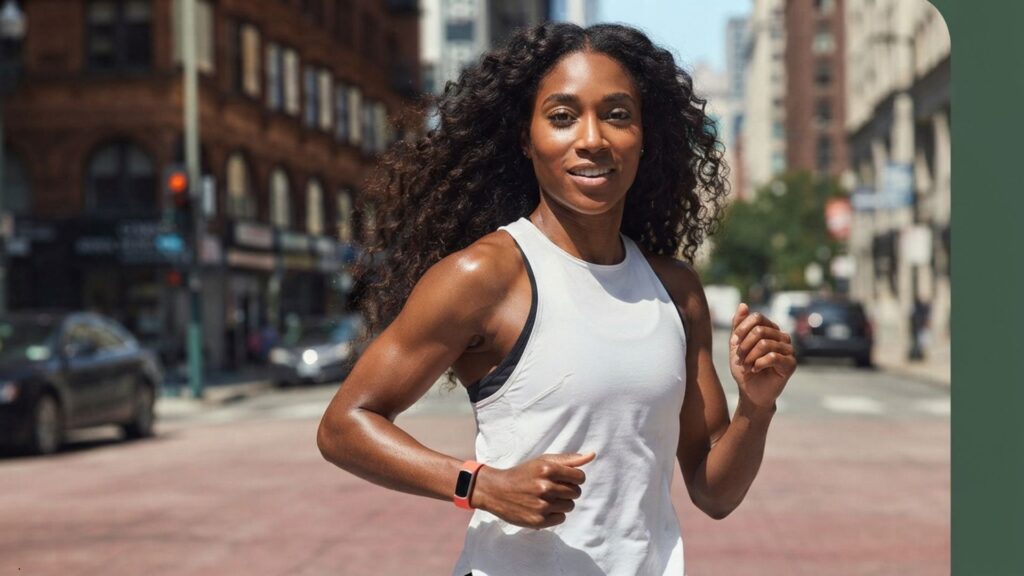
Fitbit Charge 6 — My Daily Pick After 6 Months
| Type | AI-enhanced fitness tracker |
| Price | $159.95 list, regularly discounted to $99–$119 on Amazon |
| AI Feature | Google AI workout detection, heart rate zone coaching, Gemini-powered fitness chat |
I've worn a Fitbit Charge 6 daily for over six months, and it's the one I keep reaching for. It's comfortable enough that I forget it's there, the touchscreen is direct with no digging through menus, and it's genuinely easy to use — I never had to relearn the interface after a firmware update, which is more than I can say for some smartwatches I've tried.
Amazon dropped the Charge 6 to $119 the same week Google announced the Fitbit Air, which tells you where Google wants new buyers to land — but for GPS, a touchscreen, Google Wallet, and ECG in one band, I still think the Charge 6 is the better buy for most people, not just the cheaper one.
Comfortable daily wear · Simple touchscreen · GPS + ECG · Google Wallet
Some features need Premium · Google account required · No music storage
You own the hardware outright — no subscription required to keep the band recording your steps and heart rate, though Premium unlocks deeper coaching. Check the current Fitbit Charge 6 price →
⚠️ Flag: registry link not marked (completed) yet — confirm before publish.
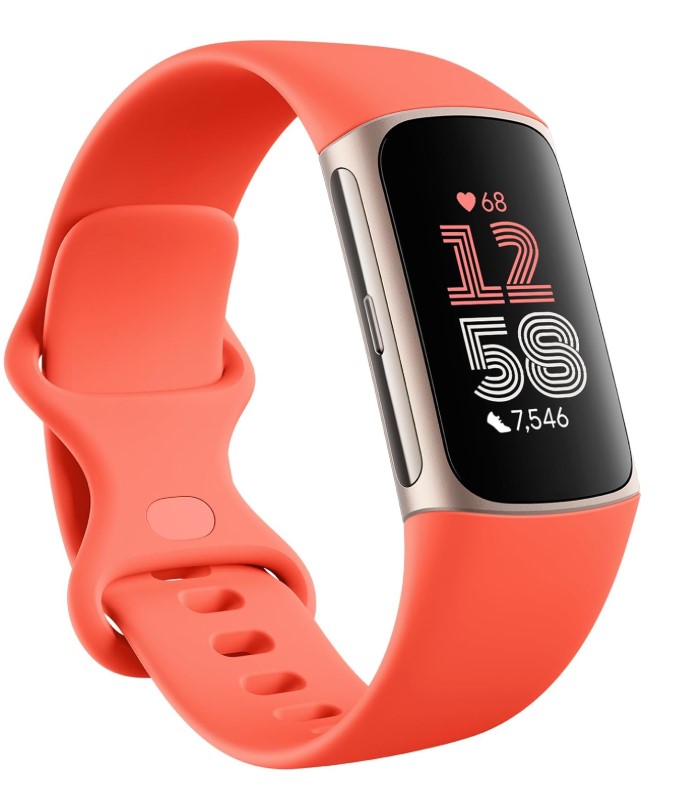
Fitbit Air — The Subscription-Free Whoop Rival
| Type | Screenless AI recovery tracker |
| Price | $99, one-time purchase |
| AI Feature | Gemini-powered AI fitness coach, passive recovery and sleep scoring |
Where It Actually Beats the Charge 6
Fitbit Air trades the screen and buttons of the Charge 6 for a week of battery life and a lower price — it's Google's direct answer to Whoop, minus the subscription. I haven't worn one myself, so I'm going by testing published by outlets like Tom's Guide, which found reliable sleep and recovery tracking but no onboard GPS, meaning you'll still need your phone nearby for outdoor runs.
If distraction-free tracking matters more to you than a screen, this is the pick — and unlike Whoop, you're not locked into a yearly fee to keep it working. For a fuller side-by-side, see my Fitbit Air deep dive. Check the current Fitbit Air price →
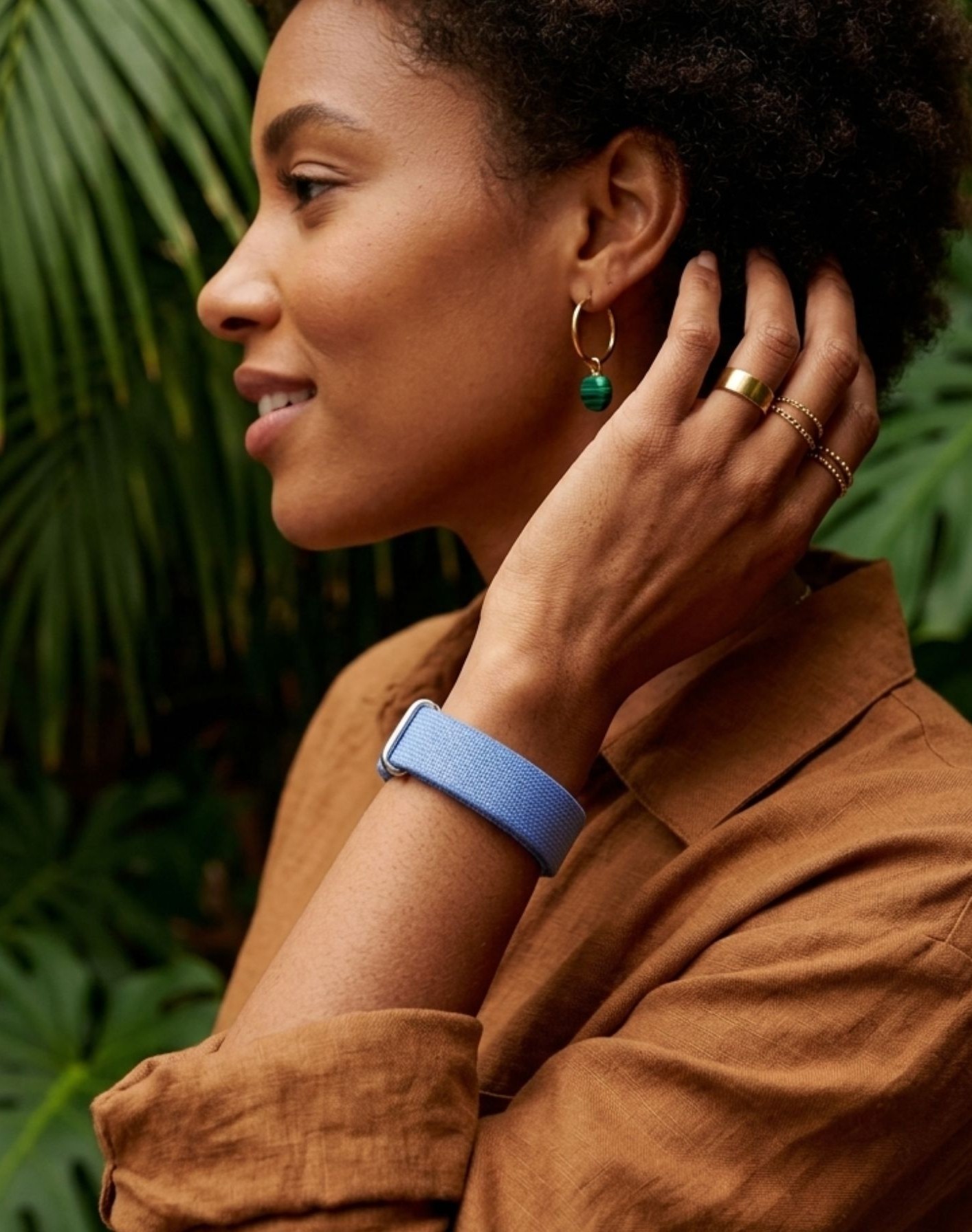
Oura Ring 5 — Best for Sleep & Recovery
| Type | AI-powered smart ring |
| Price | $399 (Silver/Black), $499 (Gold/finishes) + $5.99/mo membership |
| AI Feature | Health Radar, readiness scoring, nighttime breathing analysis, blood pressure trend detection |
The Oura Ring 5 replaced the Gen 4 in June 2026 and it's a real upgrade, not a repaint: 40% thinner, longer battery life, and new Health Radar features that flag blood pressure and breathing pattern trends over time. It's still the most discreet option on this list — no screen, no notifications, just a ring.
One catch worth knowing: without the $5.99/month membership, the ring only shows basic scores and loses most of the detailed insight it's known for. If you're upgrading from a Gen 3, this is worth it; from a Gen 4, the jump is smaller than the marketing suggests. Check the current Oura Ring 5 price →
⚠️ Flag: registry link is still named/slugged for "Gen 4" — confirm whether to update.
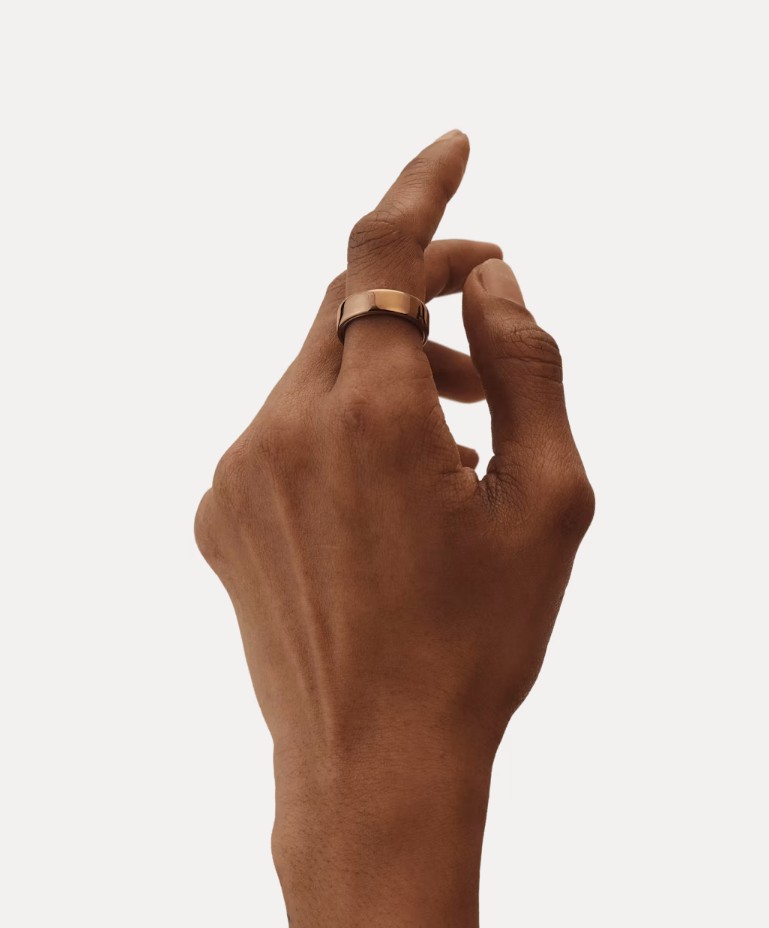
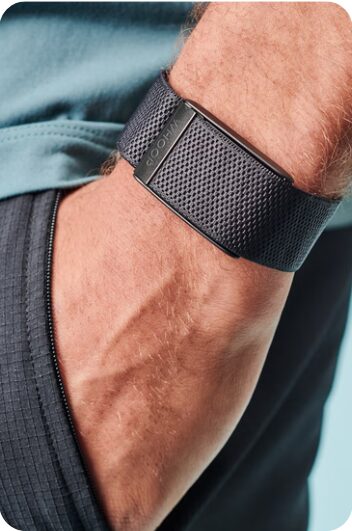
Whoop 5.0 — Best for Serious Training
| Type | Screenless AI recovery & strain tracker |
| Price | $199–$359/year membership (hardware included, not sold separately) |
| AI Feature | Strain/recovery coaching, 14-day battery, physiological age estimates |
Whoop 5.0 is built for people who train hard enough to actually use strain and recovery data, and the 14-day battery life means it survives a training block without a charging gap. The One tier starts at $199/year; Peak ($239/year) and Life ($359/year) add ECG, blood pressure estimates, and physiological age tracking.
Withings Body Smart — Best Smart Scale
| Type | AI-enhanced smart scale |
| Price | $129.95 on Amazon |
| AI Feature | Body composition trend forecasting, multi-user auto-recognition |
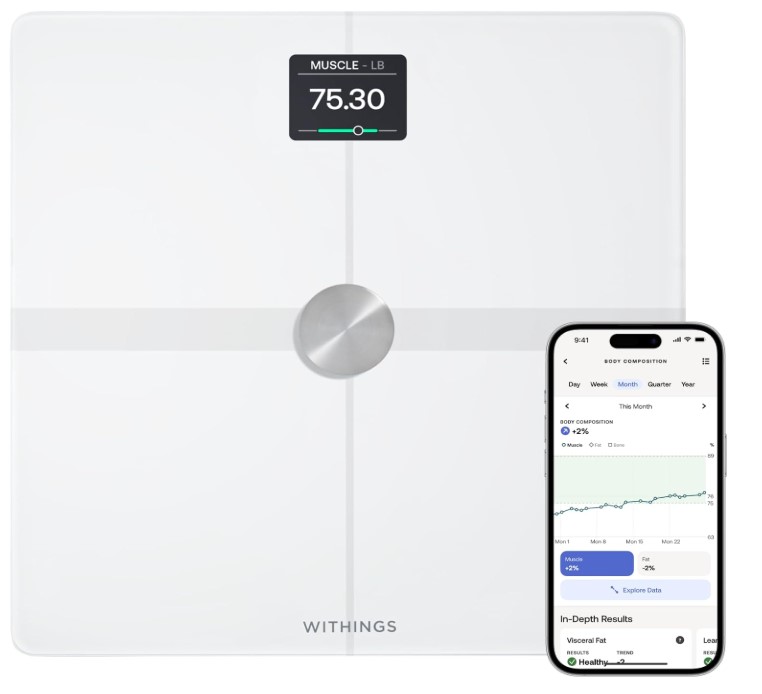
The Body Smart covers 20+ biomarkers — fat, muscle, water, visceral fat, BMI, and resting heart rate — and auto-recognizes up to eight users, which matters if more than one person in the house steps on it. Withings has since launched pricier BodyFit ($279.95) and Body Scan 2 ($599.95) models with segmental and cardiovascular tracking, but for most people the base Body Smart is still the sensible entry point.
Upright GO 2 — Best Posture Trainer
| Type | Wearable posture sensor |
| Price | $79.99, one-time purchase |
| AI Feature | Real-time slouch detection, adaptive training programs, 30-day data sync |
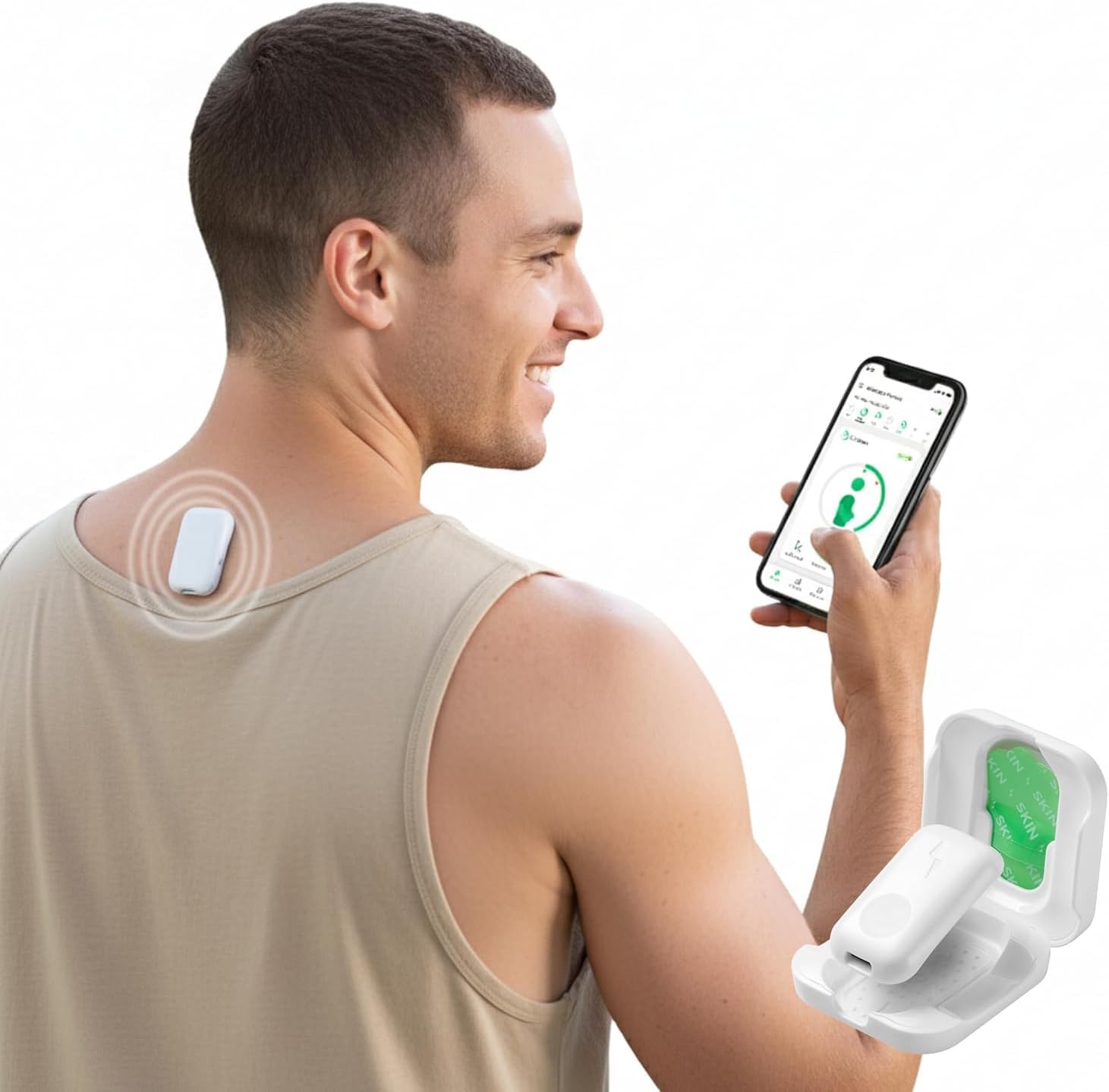
This replaces a posture pick from the previous version of this guide that, on closer research, turned out to point to the wrong product entirely. Upright GO 2 is the real, established option: a small sensor that sticks to your upper back (or clips to a necklace) and gently vibrates the moment you slouch, training the muscle memory to hold posture without it.
It's a one-time $79.99 purchase — no subscription, unlike almost everything else on this list. A licensed physiotherapist quoted on Upright's own site calls the biofeedback approach "scientifically sound," and that lines up with the general research: real effect, but only with consistent daily wear. Check the current Upright GO 2 price →
Echelon Reflect — Best AI Workout Mirror
| Type | AI-powered home workout mirror |
| Price | $899.99 |
| AI Feature | Motion-tracked form correction, full-HD touchscreen, 3,000+ classes |
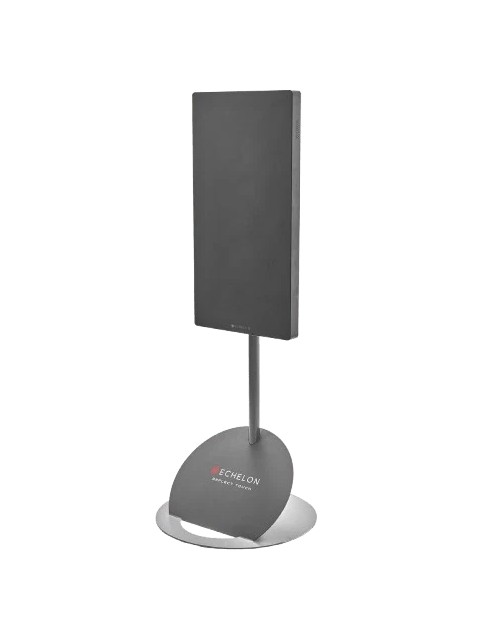
This replaces the previous guide's mirror pick — I couldn't confirm whether that brand still operates in the US, with sources genuinely conflicting on the point, so I swapped it for a mirror I could verify is currently shipping. The Echelon Reflect Smart Connect uses motion sensors and a 1080p touchscreen to correct your form in real time across a library of 3,000+ live and on-demand classes.
At $899.99, it undercuts most competing smart mirrors by hundreds of dollars, though the full class library sits behind an Echelon Premier membership — the mirror itself you own outright. No affiliate program is set up for this one yet, so this links to Echelon's official page. See the Echelon Reflect on echelonfit.com →
How to Choose the Right One
Match It to What You Actually Do
Full Comparison: Price, Ownership & Best Use
| Gadget | Price | Ownership Model | Best For |
|---|---|---|---|
| Fitbit Charge 6 ⭐ MY PICK | $99–$159.95 | 🟡 Own · Sub optional | Everyday tracking |
| Fitbit Air | $99 | 🟡 Own · Sub optional | Screenless simplicity |
| Oura Ring 5 | $399–$499 + $5.99/mo | 🟡 Own · Sub optional | Sleep & recovery |
| Whoop 5.0 | $199–$359/yr | 🔴 Sub required | Serious training |
| Withings Body Smart | $129.95 | 🟢 Own, no sub | Body composition |
| Upright GO 2 | $79.99 | 🟢 Own, no sub | Desk posture |
| Echelon Reflect | $899.99 | 🟡 Own · Sub optional | Home strength training |
What These Gadgets Actually Collect
Every device on this list collects genuinely sensitive data — heart rate, sleep stages, skin temperature, and for some, blood pressure trends. That data is stored in the cloud and can be shared with insurance providers or third-party apps depending on the privacy policy, so it's worth checking before you sync anything to Apple Health or Google Fit.
I'd rather flag this plainly than skip it: read the privacy settings once at setup, turn off auto-sharing you don't need, and treat a "readiness score" as a data point, not an order. If you want a deeper look at how AI in health tech handles this, the World Health Organization's guidance on AI in health is a solid starting point.