
1. How the YouTube Algorithm Secrets of 2026 Actually Work
The Core ShiftIf you've wondered why some videos explode while others vanish, you're not alone. The YouTube algorithm secrets that matter in 2026 come down to one thing: satisfaction, not just attention.
YouTube's system studies behavioral patterns — how long people watch, what they skip, and whether they return afterward. It blends that data with contextual understanding to personalize every feed, per YouTube's own recommendations guide.
First-party detail: the YouTube algorithm secret most guides miss
Our research turned up a clear pattern in 2026 creator data: YouTube now surveys viewers directly ("How would you rate this video?") and weights those scores heavily — even when CTR is only average.
This changes what "optimizing" even means. Consistent topics and genuine audience satisfaction now count for more than perfect tags ever did.
2. The Hidden Signal Behind Today's YouTube Algorithm Secrets
The Hidden Signal
For years, creators were told three numbers ran everything: click-through rate, watch time, and audience retention. That's no longer the full picture in 2026.
What actually changed: the real YouTube algorithm secret for 2026
- Viewer satisfaction (saves, re-watches, post-video behavior) now outweighs raw watch time as the top signal
- A 5-minute video watched to 80% satisfaction can outrank a 20-minute video with 30% retention
YouTube calls this "termination type." A viewer who closes the app happy sends a positive signal — one who leaves frustrated for another app registers as a miss, even with decent watch time.
The takeaway: build toward a clear payoff, not just a long runtime. A tight video that delivers on its title now beats a padded one almost every time.
3. YouTube Algorithm Secrets: Context Now Beats Keywords
The Context EngineThe deeper shift behind these YouTube algorithm secrets is semantic understanding. YouTube no longer treats keywords as the main clue to what a video is about.
Its models read your script, captions, visuals, and engagement behavior together, mapping your content into a topic cluster. Cover "AI productivity tools" consistently, and the system connects your uploads to others in that niche automatically.
We've seen this mirror how Google Search evolved — less about keyword density, more about intent. Tools like TubeBuddy and vidIQ help creators spot topic patterns instead of guessing at density.
| Tool | Main Feature | Best For | Try It |
|---|---|---|---|
| TubeBuddy | AI keyword grouping & bulk SEO | Optimizing an existing video library | See below ⬇ |
| vidIQ | AI Coach & real-time trend tracking | Finding topics before they peak | Try vidIQ |
Consistent tone, thumbnail style, and metadata all confirm the same message to the AI — that consistency is what earns confident recommendations.
4. YouTube Algorithm Secrets for Titles, Tags, and Thumbnails
On-Page ElementsTitles, tags, and thumbnails are still your first conversation with the algorithm. In 2026, YouTube's "Ask YouTube" search feature adds a new wrinkle: people search in full questions, not fragments.
Your title should answer both a person and the AI at once — pair a searchable phrase with a clear value promise, and let curiosity do the rest, as long as the video delivers.
YouTube now detects "expectation mismatch" and quietly reduces reach when it happens.
Tags matter less than they used to, but descriptions matter more — padded, keyword-stuffed copy gets demoted. Thumbnails are judged by image recognition too, so natural expressions and readable text still win.
5. Tools That Put These YouTube Algorithm Secrets Into Practice
Your ToolkitUnderstanding these YouTube algorithm secrets is one thing. Applying them daily is another — and this is where AI tools genuinely help.
vidIQ's Boost plan runs about $16.58/month annually and adds an AI Coach that flags emerging topics early, while TubeBuddy's Pro tier, around $9/month, covers bulk SEO and A/B thumbnail testing.
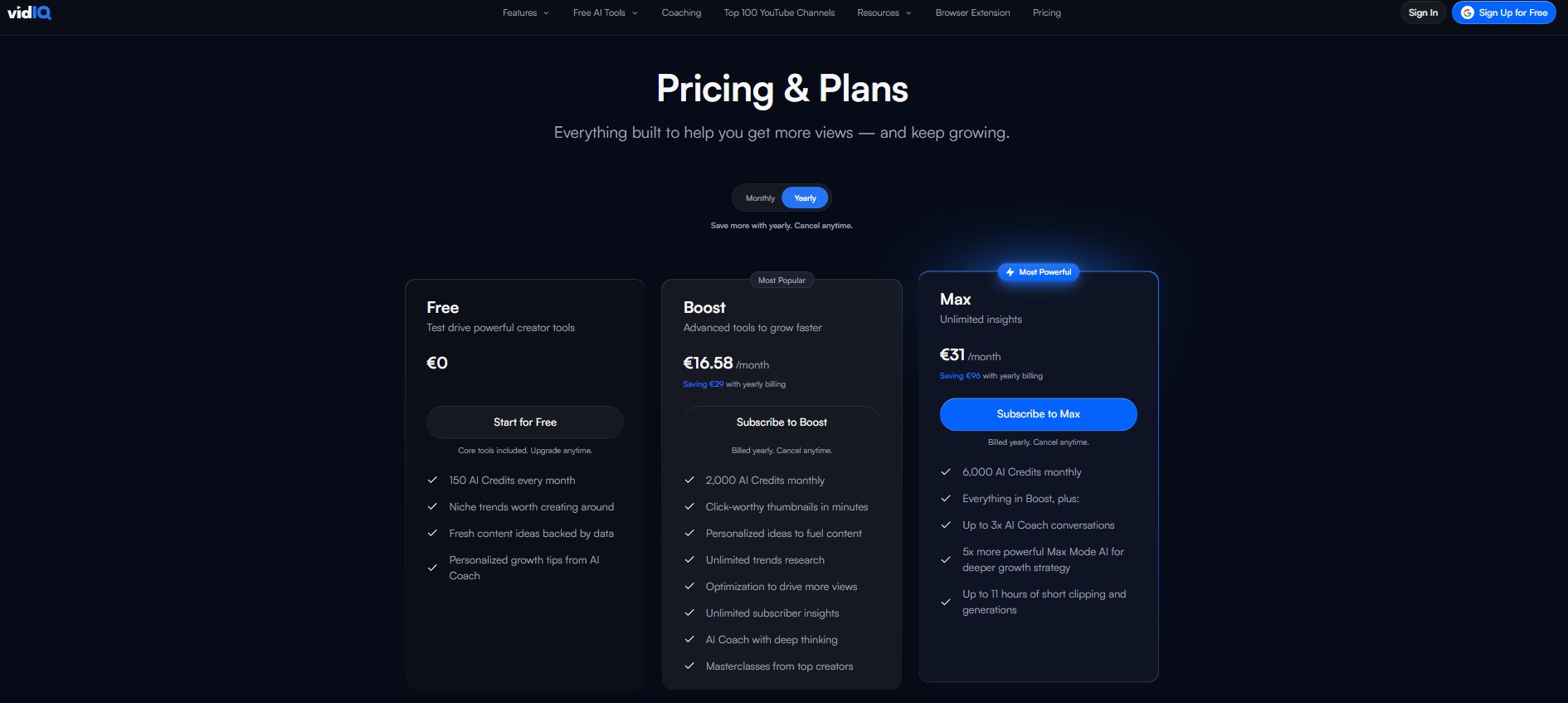
Verified pricing, as of July 2026
| Tool | Key Strength | Entry Price |
|---|---|---|
| vidIQ | AI Coach & trend scoring | Free; Boost ~$16.58/mo (annual) |
| TubeBuddy | Bulk SEO & thumbnail A/B tests | Free; Pro ~$9/mo |
| Morningfame | Performance diagnostics | Paid tiers, check current site |
Instead of guessing what the algorithm "likes," these tools let you test against real data — which topics get attention, and which titles actually convert clicks into satisfied watch sessions.
6. YouTube Algorithm Secrets Behind the Rise of Shorts
Shorts Strategy
Shorts are now central to discovery, not an experiment bolted onto long-form.
Subscribers gained through a Short are now meaningfully more likely to see your long-form videos in their home feed — the cross-boost effect is real and it's getting stronger, not weaker.
Quick wins
- Post 2–3 Shorts weekly to help the algorithm learn your category faster
- Keep them under 60 seconds with a hook inside the first 3 seconds
- Track which Shorts topics are worth expanding into full videos
Treat Shorts as your top-of-funnel strategy. One that performs well earns algorithmic trust that carries into everything you upload next.
7. Reading Analytics for the YouTube Algorithm Secrets They Hide
Reading The DataOnce your videos are live, YouTube Studio is where the real conversation happens.
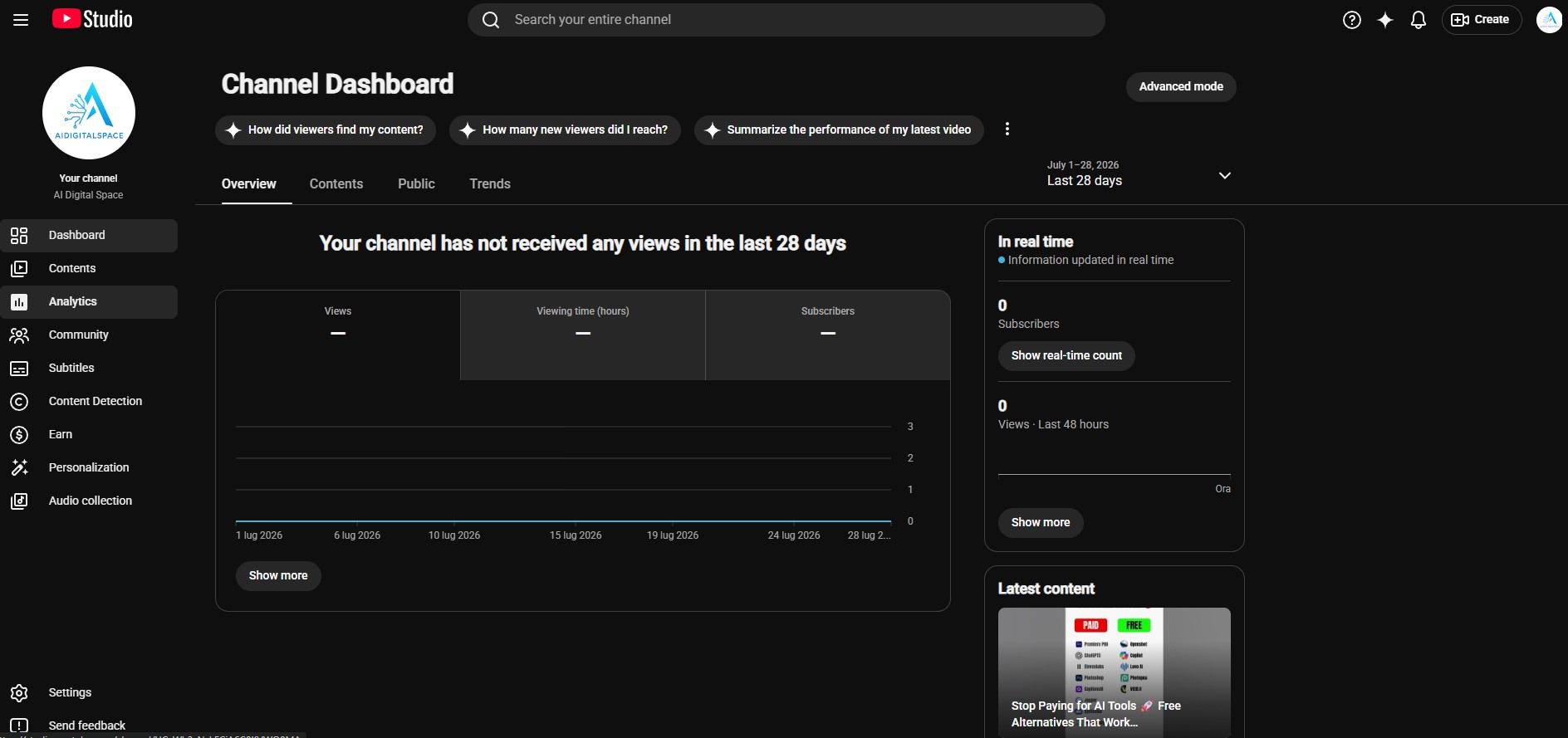
The three panels that matter most
- Reach — how often your video appeared in search or recommendations; high impressions with low clicks means a weak title or thumbnail
- Engagement — how long people actually watch; an early retention drop means the intro doesn't deliver on the title's promise
- Audience — returning viewers and subscribers, a loyalty signal that matters more under the 2026 satisfaction-first model
Tools like vidIQ and TubeBuddy surface these patterns faster than manually digging through Studio, and let you compare uploads side by side.
8. Mistakes That Work Against These YouTube Algorithm Secrets
Common PitfallsEven strong creators slip up, and in 2026 the algorithm catches mixed signals fast.
Two mistakes that quietly tank reach
- Undisclosed AI content — YouTube requires creators to label AI-generated video; undisclosed clips risk demotion or removal
- Title-and-content mismatch — when a video promises one thing and delivers another, viewers drop off and YouTube reads that as dissatisfaction
If you're editing manually, Descript handles voice cleanup and filler-word removal well; its Creator plan runs about $24/month annually. OpusClip repurposes strong moments into Shorts automatically.
9. Ethical AI Reflection
The Bigger PictureUnderstanding these YouTube algorithm secrets gives creators real power, and that comes with responsibility. Each click still represents a person, not just a data point.
AI now shapes what billions of people see daily. Designing purely to please the algorithm risks narrowing your message into sameness.
We believe transparency and consistency make creators sustainable, not just briefly viral. Optimizing for growth shouldn't mean gaming the system — it means learning to speak its language without losing your own.
10. Mastering These YouTube Algorithm Secrets Without Losing Creativity
The TakeawayAfter all these YouTube algorithm secrets, one truth stands out: the algorithm isn't your enemy. In 2026, it rewards creators who understand their audience more than those chasing every trend.
The goal isn't to beat the system — it's to work with it. Learn what makes viewers stay, use analytics to guide your next idea, and keep improving how you tell a story.
Algorithms evolve, but authenticity doesn't. Stay consistent, and keep making videos that satisfy both the people watching and the platform recommending them.
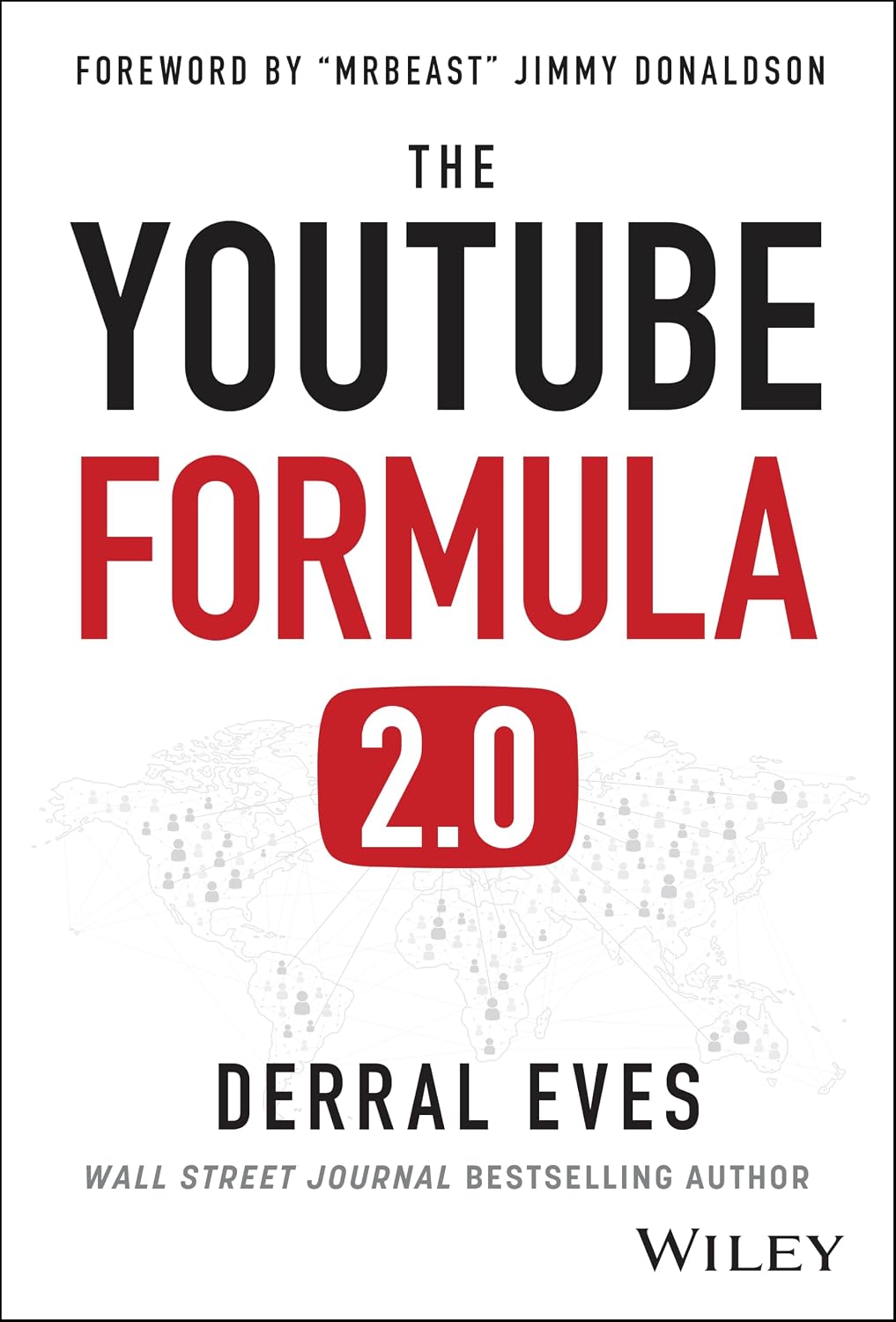
Want the Full Playbook Behind These YouTube Algorithm Secrets?
The YouTube Formula breaks down the exact strategies top creators use to read the algorithm and grow with intention, not guesswork.
It's a solid next step if this post left you wanting the deeper, chapter-by-chapter version of what we covered above.
Check the Book →