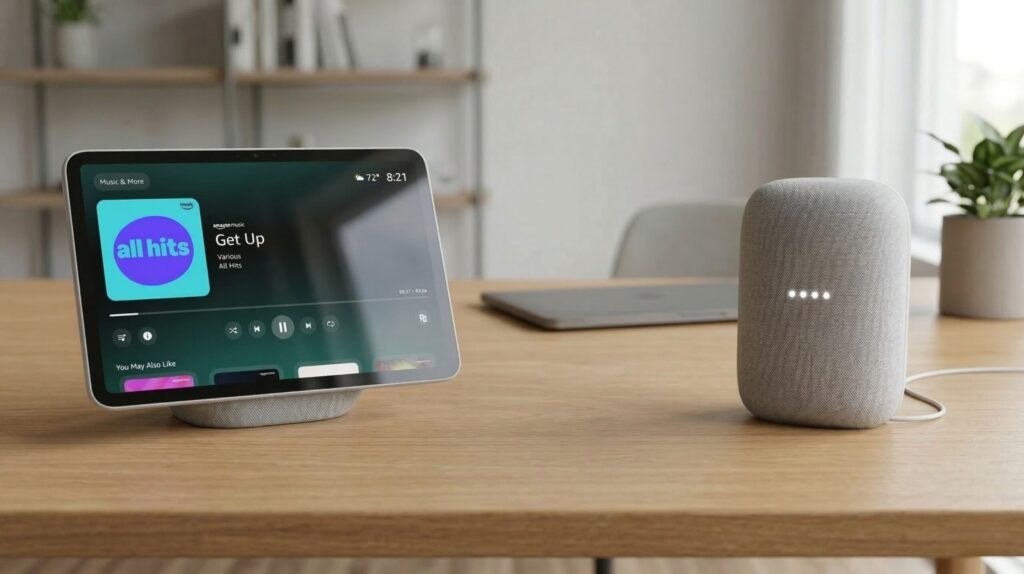
The best smart home assistants changed more in the last twelve months than in the five years before. Alexa became Alexa+, Google swapped its Assistant for Gemini, and Apple is reportedly about to refresh its speaker. The part almost nobody prices in: the smartest versions of Alexa and Gemini can now cost more than the speaker they run on.
⚡ Short answer: For most homes the Amazon Echo Dot Max is the best of the smart home assistants I compared: about $120, a built-in Zigbee, Thread and Matter hub, and Alexa+ included if you already pay for Prime. Pick the Google Home Speaker if your house runs on Google, and hold off on a HomePod mini until Apple's rumored refresh lands.
Some links are affiliate links · they support this site at no extra cost to you · Full disclosure
Alexa+, Gemini or Siri: which assistant is smartest now?
Short answer: Among smart home assistants, Alexa+ and Gemini for Home are the two that now hold real conversations, remember context and build routines from a sentence. Siri on a HomePod is still the most private and the most limited. Smart home device support remains widest on Alexa, while Gemini answers general questions best.

Most guides to smart home assistants still compare speakers. That made sense when every Echo ran the same Alexa and every Nest ran the same Google Assistant. It no longer does. With smart home assistants, the speaker is now a container, and the AI brain inside it decides how useful it is, what it costs each month, and which old devices keep up.
Alexa+ is Amazon's generative rebuild
Alexa+ understands follow-up questions, handles several requests in one sentence and can act on services such as bookings and shopping. Amazon's own announcement confirms it's available to all US customers, included with Prime, and $19.99 a month without it. Classic Alexa stays free, so nobody is forced onto the paid tier.
Gemini for Home replaced Google Assistant
Google moved its speakers and displays to Gemini for Home. The free tier covers quick answers and smart home control. Gemini Live, voice-built automations and AI camera summaries sit behind Google Home Premium at $10 or $20 a month. The Nest Hub (2nd Gen), Nest Hub Max, Nest Audio and Nest Mini (2nd Gen) get the full assistant; older models get most of it.
Siri is free, private and waiting
Siri on a HomePod costs nothing extra and keeps more processing on the device than the other smart home assistants Its weakness is the same as last year: fewer supported accessories and shallower conversation. Apple's bigger Siri upgrade has slipped more than once, which is also why its home display is reportedly late.
Core distinction: with smart home assistants you're no longer buying a speaker with an assistant; you're picking an assistant subscription that happens to ship with a speaker.
What do smart home assistants cost over two years?
Short answer: Between $99 and $600 for the same size of speaker, depending only on the AI tier. An Echo Dot Max costs about $120 over two years for a Prime member and about $600 for someone paying for Alexa+ on its own. Siri and Gemini's free tier add nothing.
I built this table because none of the guides I read for this update prices smart home assistants the way you pay for them. Speaker prices are US list prices after Amazon's August increase; subscription figures come from Amazon's and Google's own pages, checked on October 11, 2026. Two years is the window most people keep a speaker before the next upgrade.
| Setup | Speaker | AI tier, 24 months | 2-year total |
|---|---|---|---|
| HomePod mini + Siri | $99 | $0 | $99 |
| Google Home Speaker + Gemini (free) | $99.99 | $0 | $99.99 |
| Echo Dot Max + Alexa+ via Prime | $119.99 | $0 extra* | $119.99 |
| Google Home Speaker + Premium Standard (annual) | $99.99 | $200 | $299.99 |
| Google Home Speaker + Premium Advanced (annual) | $99.99 | $400 | $499.99 |
| Echo Dot Max + Alexa+ without Prime | $119.99 | $479.76 | $599.75 |
*The Prime row assumes you already pay for Prime for shipping or video, so Alexa+ adds nothing at the margin. If you'd only subscribe for the assistant, use the bottom row. Google's monthly plans cost $240 and $480 over the same period, so the annual billing above is the cheaper way in.
The surprise is the spread. The same Echo Dot Max can end up $480 apart purely on the assistant tier. Before you buy any smart home assistants, decide whether you want the conversational extras at all; the free tiers still turn on lights, set timers and play music.
Prices and availability differ outside the US: Alexa+ and Gemini for Home launched in the US first, and EU and UK pricing includes VAT. To see how an assistant plan stacks up against your other AI subscriptions, run it through my free AI subscription cost calculator.
Core distinction: compare smart home assistants on the price of the assistant you'll keep using, not the price of the speaker on the shelf.
The 7 best smart home assistants
Each card links to today's price, because deals on smart home assistants move weekly. The figures are US list prices I found on October 11, 2026.
1. Amazon Echo Dot Max 🏆 Best overall
Alexa+, a full smart home hub and big-speaker bass for about $120
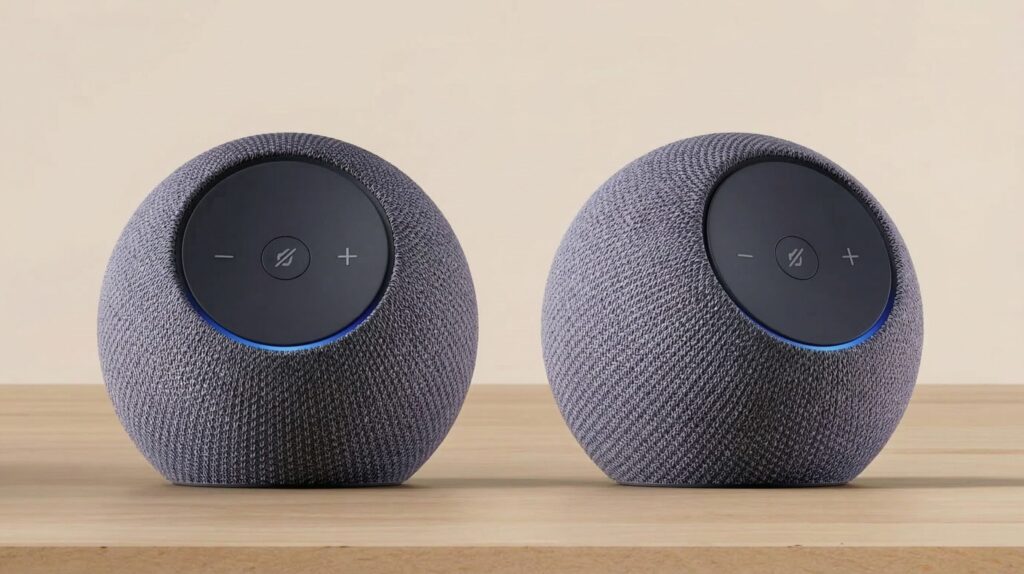
The Dot Max is the cheapest way into the newest Alexa. Amazon's AZ3 chip handles wake-word detection on the device, which Amazon says is close to 50% more accurate than older Echos, and a new woofer gives it roughly three times the bass of the 5th-gen Dot by Amazon's measure.
The quiet win is the radios. Zigbee, a Thread border router and Matter are all inside, so it pairs sensors, plugs and most new smart locks without a separate hub. Alexa+ is the one assistant in this guide I use myself, so this is the card I can speak to from my own home rather than from spec sheets.
- Hub radios included
- Widest device support of any brand
- Alexa+ at no extra cost for Prime
- $19.99/month without Prime
- Routines lean on Amazon's cloud
- No screen
2. Amazon Echo Show 11 📺 Best smart display
A kitchen command center with the same hub radios as the Dot Max
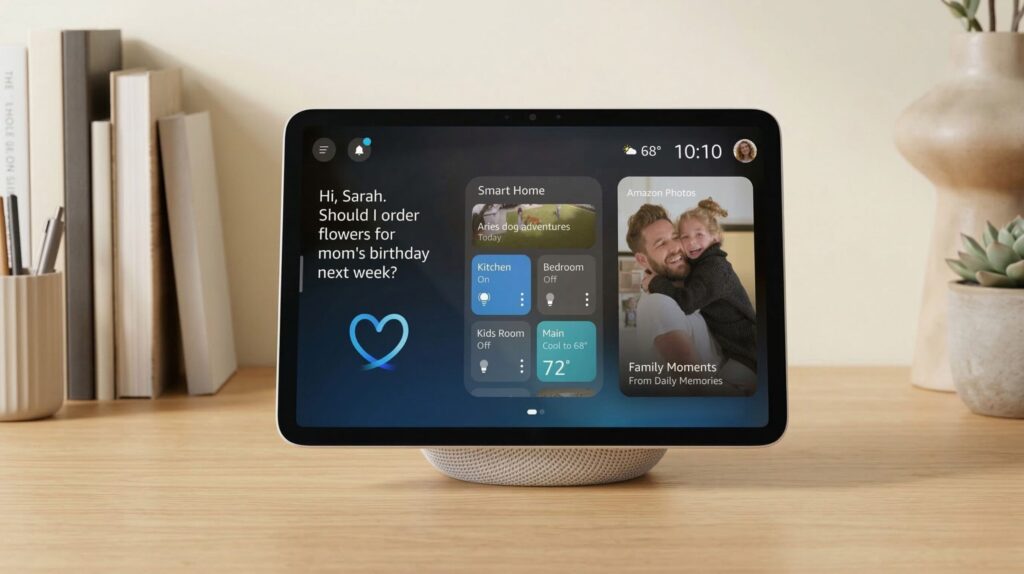
If you want to see answers, not only hear them, this is the screen to buy among Amazon's smart home assistants. Recipes, camera feeds, calendars and video calls all land on an 11-inch display, and Alexa+ can show its work on screen, which helps with longer answers.
It runs Amazon's faster AZ3 Pro chip and carries the same Zigbee, Thread and Matter hub as the Dot Max. The adjustable stand is sold separately, so budget for it if the screen will sit on a counter you look down at.
- Largest Alexa screen
- Video calls and camera feeds
- Hub radios included
- Stand costs extra
- A camera you may not want in every room
- Needs counter space
Weighing the Show 11 against other Alexa+ gear? My Amazon AI gadgets guide shows what each costs over two years and the sale price worth waiting for.
3. Google Home Speaker ✨ Best for Google homes
The first speaker Google designed around Gemini
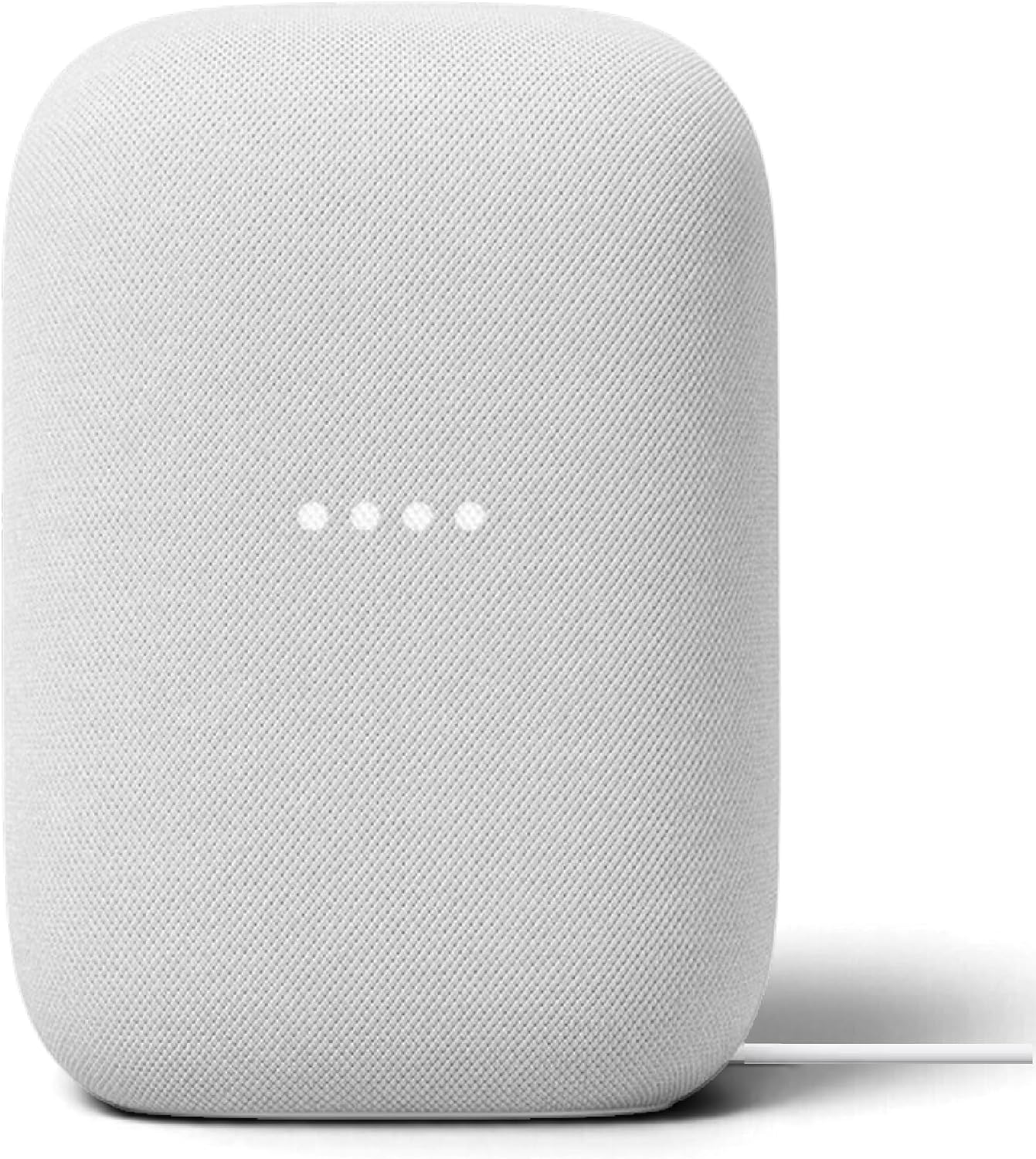
Google's new speaker started shipping on June 25 at $99.99, and it's the cleanest way to get Gemini for Home on hardware built for it. Of all the Google smart home assistants, it's the only one designed after Gemini arrived. It groups with the Nest speakers you already own for multi-room audio, and it doubles as a Matter hub with a Thread border router.
Two things to know first. It has no Zigbee radio, so older Zigbee sensors still need a bridge, and Matter on Google Home expects IPv6 on your router. The best Gemini features, including Gemini Live, need a Premium plan.
- Best general answers of any assistant
- Free tier covers the basics
- Works with existing Nest speakers
- No Zigbee
- Gemini Live is paid
- Single driver, not a music speaker
💡 I don't have an affiliate link for this one, so the button goes to Google's own device page.
4. Google Nest Hub (2nd Gen) 🌙 Best for bedrooms
A camera-free display that now runs the full Gemini for Home
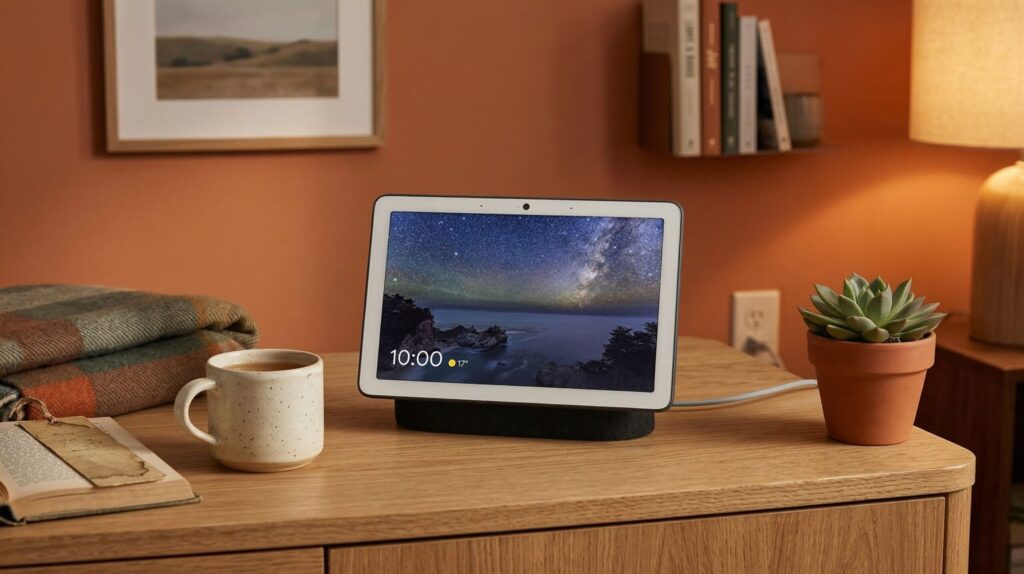
The hardware dates from 2021, but the brain inside is new: the 2nd-gen Nest Hub is on Google's list for the full Gemini for Home experience. That makes it the cheapest Gemini screen you can buy, and the only display among these smart home assistants with no camera at all.
Its party trick is radar-based sleep sensing, which tracks sleep from the bedside without a wearable. The speaker is thin, so treat it as a clock, a photo frame and a light switch rather than a music player.
- No camera, bedroom-safe
- Cheapest Gemini display
- Sleep tracking without a wearable
- Aging hardware
- Weak speaker
- No video calls
5. Amazon Echo Studio 🔊 Best Alexa sound
Dolby Atmos in a smaller sphere, with the full Alexa+ hub inside
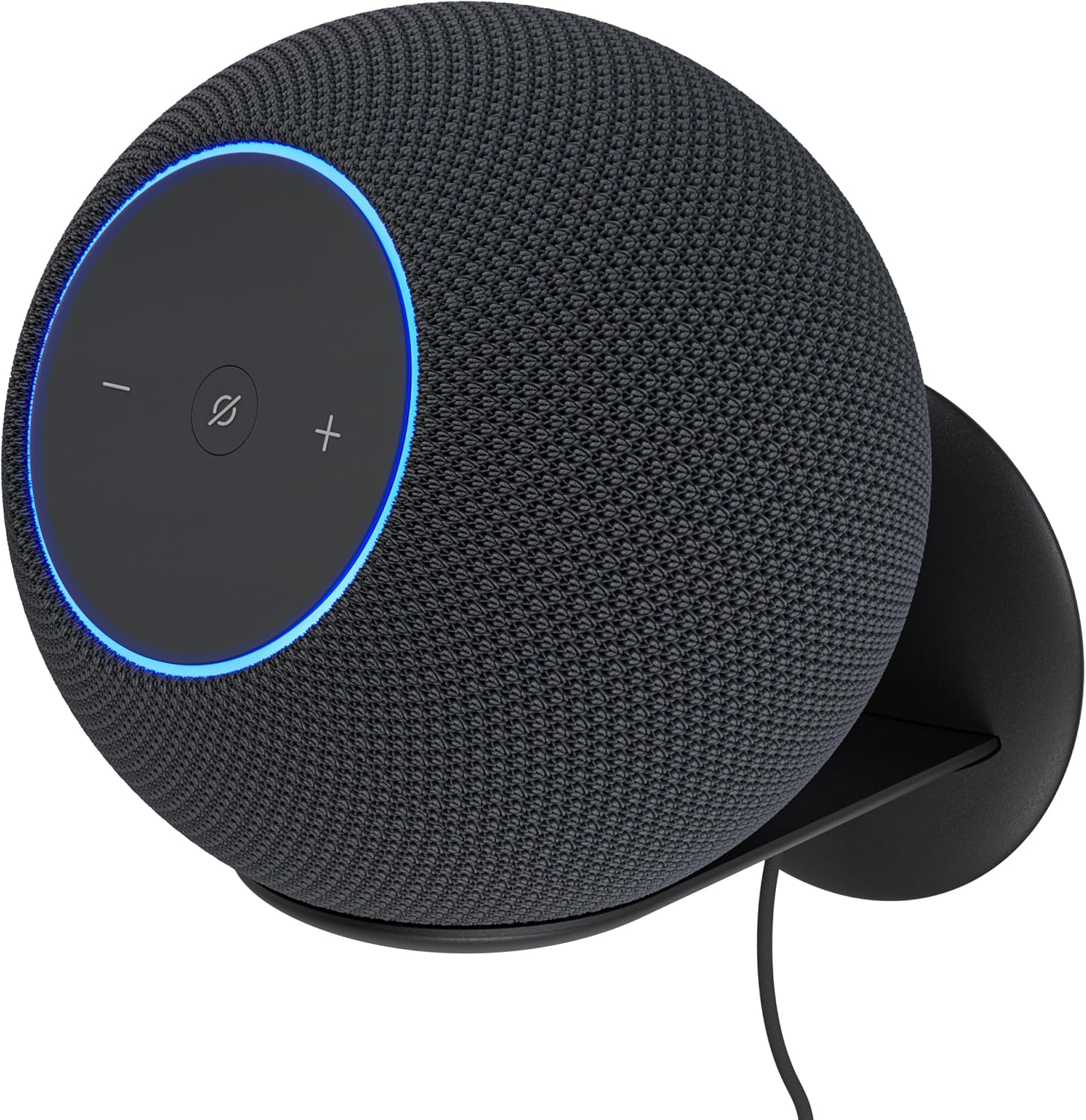
The redesigned Studio is about 40% smaller than the original yet keeps spatial audio and Dolby Atmos through a woofer and three full-range drivers. It's the pick among Alexa smart home assistants if music is half the reason you want one.
It shares the AZ3 Pro chip and the Zigbee, Thread and Matter hub with the Show 11, and it can join Alexa Home Theater with a Fire TV. Against the Sonos below, you trade some sound finesse for a far smarter assistant.
- Best sound with Alexa+ built in
- Atmos for music and TV
- Hub radios included
- About $100 more than the Dot Max
- Locked to Amazon's ecosystem
- Bulky for a bedside
6. Sonos Era 100 🎵 Best for music
The best-sounding compact speaker here, with voice as a bonus
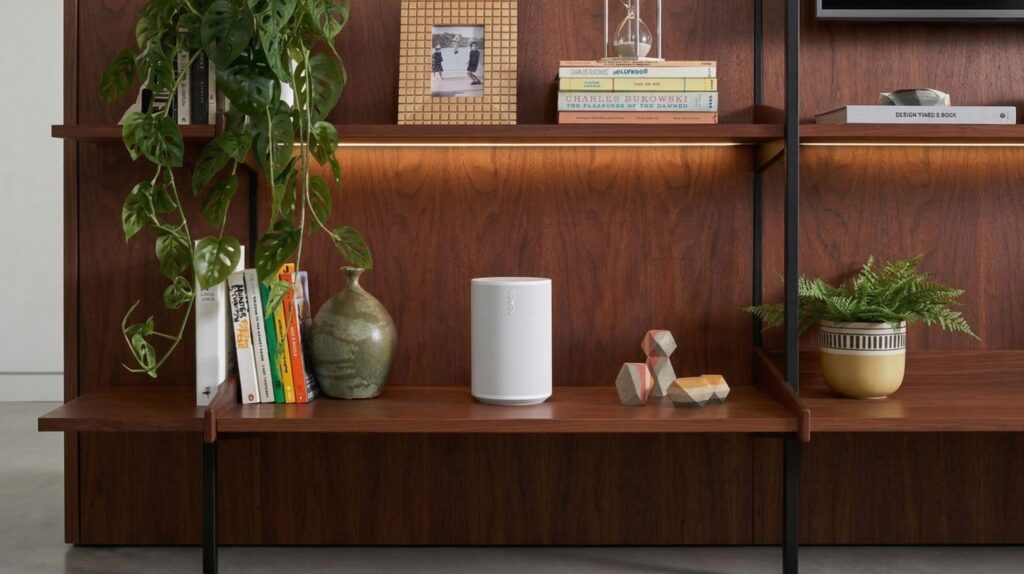
The Era 100 is on this list of smart home assistants for one reason: it sounds better than anything else at its size. Trueplay tunes it to your room, two of them pair as a stereo set, and it slots into a wider Sonos system later.
Voice comes from Amazon Alexa or Sonos Voice Control, which handles music requests locally. It isn't a smart home hub and doesn't run Google's assistant. Check whether Alexa+ reaches Sonos speakers in your region before you count on it.
- Best sound in its class
- Private local voice for music
- Grows into multi-room
- No hub radios
- No Google assistant
- Weakest smart home control here
7. Apple HomePod mini 🍎 Best for Apple, after Oct 13
The private, free-Siri choice for iPhone homes
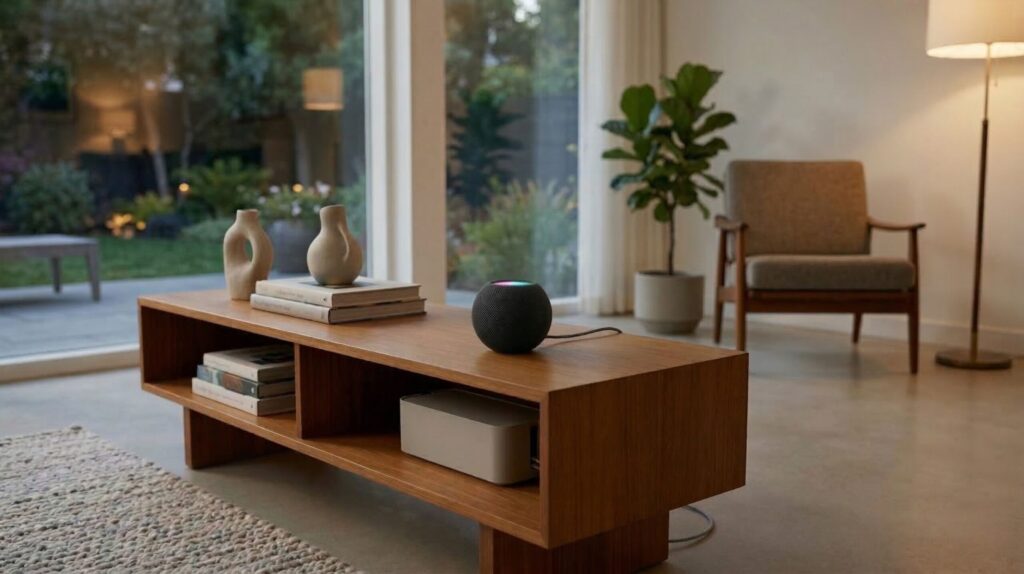
In an all-iPhone house the HomePod mini is still the most sensible of the smart home assistants: Apple Home automations run on it locally, it's a Thread border router for Matter locks and sensors, and Intercom and Handoff work across your devices. Siri costs nothing extra.
The timing is the problem. Bloomberg reports a refresh with a faster chip on October 13, and Apple hasn't announced anything. If the report holds, the current model drops to last-generation overnight, so wait the few days or buy only at a clear discount.
- Strongest privacy here
- Local Apple Home automations
- No subscription tier
- Refresh reportedly imminent
- Siri trails on conversation
- No Zigbee
Smart home assistants compared side by side
The two columns that settle most decisions are "hub radios" and "best AI tier cost". Sound and screens come after. Here are all seven smart home assistants on one grid.
| Device | Assistant | Hub radios | Screen / camera | Best AI tier | List price |
|---|---|---|---|---|---|
| Echo Dot Max | Alexa+ | Zigbee, Thread, Matter | No / no | Prime or $19.99/mo | $119.99 |
| Echo Show 11 | Alexa+ | Zigbee, Thread, Matter | 11" / 13 MP | Prime or $19.99/mo | $249.99 |
| Google Home Speaker | Gemini for Home | Thread, Matter | No / no | $10–20/mo | $99.99 |
| Nest Hub (2nd Gen) | Gemini for Home | Thread, Matter | 7" / none | $10–20/mo | $99.99 |
| Echo Studio | Alexa+ | Zigbee, Thread, Matter | No / no | Prime or $19.99/mo | $219.99 |
| Sonos Era 100 | Alexa, Sonos Voice | None | No / no | Check Alexa+ support | ~$199 |
| HomePod mini | Siri | Thread, Matter | No / no | Free | $99 |
If your sensors use Zigbee, only the three Amazon smart home assistants pair them directly. For the deeper radio question, my best smart home hub guide breaks down Matter, Thread, Zigbee and Z-Wave hub by hub.
Which smart speakers should you skip?
Short answer: Skip the Nest Hub Max, the Nest Audio and Nest Mini at full price, and the current HomePod mini this week. All three are older smart home assistants sold near launch prices while newer or refreshed models are arriving.
Are smart home assistants private?
Short answer: They listen for a wake word all the time and send what follows to the cloud, except where Apple and Sonos process requests locally. The new AI tiers raise the stakes, because they remember more about your household to sound more helpful. Every platform lets you delete history and mute the microphone.
The generative upgrades change the privacy maths of smart home assistants a little. Alexa+ and Gemini work better when they know your calendar, your routines and who lives with you, which means more personal context stored on a company's servers. That's a reasonable trade for many households; it's worth making on purpose.
Five settings to change on day one
- Set voice history to auto-delete in the Alexa or Google Home app.
- Turn off "help improve" sharing, which governs whether recordings can be reviewed.
- Set up voice profiles so purchases and calendars answer only to the right person.
- Keep camera displays out of bedrooms; that's what the Nest Hub (2nd Gen) is for.
- Audit connected skills and services every few months and remove what you don't use.
My guide to turning off AI features walks through the switches app by app, and my smart home AI cameras guide covers where video lands.
Core distinction: the smarter smart home assistants get, the more they need to know about you. Choose the tier with that trade in mind.
Which smart home assistant should you buy?
Start with the phone in your pocket and the subscriptions you already pay for. Those two facts narrow the field of smart home assistants faster than any spec sheet.
- You already have Prime → Echo Dot Max. Alexa+ comes free, and the hub radios save you a separate box.
- You want a screen → Echo Show 11, or the camera-free Nest Hub (2nd Gen) for a bedroom.
- Your life runs on Google → Google Home Speaker, on the free Gemini tier first.
- Music comes first → Echo Studio if you want Alexa+, Sonos Era 100 if sound matters most.
- Everyone has an iPhone → HomePod mini, after October 13.
Alexa vs Google: the final word
Alexa wins on smart home breadth and built-in Zigbee, and Prime members get its AI tier at no extra cost. Gemini wins on general knowledge and Google services, and its free tier is more generous than Alexa's free web chat. For a first smart home, Alexa is still the safer bet; for a Google household, Gemini is now good enough that switching makes no sense.
If you want one answer: the Amazon Echo Dot Max is the best of today's smart home assistants for most people, because it's the cheapest pick here that is also a complete smart home hub. If your setup keeps fighting you after you buy, my smart home setup troubleshooting guide covers the usual culprits.
Frequently Asked Questions — Smart Home Assistants
🏠 Build out the rest of your smart home
Picked your smart home assistants? These guides cover what usually comes next.