The best AI books do not all do the same job. Some teach you to get more out of ChatGPT at work, some explain where AI is taking the economy, and some hand you Python code to train your own models. Buy the wrong type and you quit by chapter three.
So instead of another list of 50 titles, I researched and narrowed it down to 15 books that still hold up, then sorted them by the job you want done. Every pick comes with who it is for, what you will walk away with, and who should skip it.
Short on time? Read the one-book answer below, or take the 5-question quiz and get a match in about a minute.
Some links are affiliate links. If you buy through them, I may earn a small commission at no extra cost to you. Details
Three more standouts among the best AI books, depending on your goal:
Quiz: Which of the Best AI Books Fits You?
Answer five quick questions and I will match you with the one of the best AI books that fits your background, goal and schedule, plus the one to read next.
The 15 Best AI Books at a Glance
Use this table to scan the whole list of best AI books in thirty seconds. Levels run from zero jargon to Python required.
| # | Book | Track | Level | Effort |
|---|---|---|---|---|
| 1 | Co-Intelligence Ethan Mollick | Beginners | Beginner | Light |
| 2 | The Coming Wave Mustafa Suleyman | Beginners | Beginner | Medium |
| 3 | Life 3.0 Max Tegmark | Beginners | Beginner | Medium |
| 4 | AI 2041 Kai-Fu Lee & Chen Qiufan | Beginners | Beginner | Light |
| 5 | Working with AI Thomas H. Davenport & Steven M. Miller | Business | Beginner | Medium |
| 6 | Power and Prediction Ajay Agrawal, Joshua Gans & Avi Goldfarb | Business | Intermediate | Medium |
| 7 | Competing in the Age of AI Marco Iansiti & Karim R. Lakhani | Business | Intermediate | Medium |
| 8 | Radically Human Paul Daugherty & H. James Wilson | Business | Beginner | Light |
| 9 | Hands-On Machine Learning (Scikit-Learn & PyTorch) Aurélien Géron | Builders | Intermediate | Heavy |
| 10 | Deep Learning for Coders with fastai & PyTorch Jeremy Howard & Sylvain Gugger | Builders | Intermediate | Heavy |
| 11 | Artificial Intelligence: A Modern Approach (4th ed.) Stuart Russell & Peter Norvig | Builders | Advanced | Heavy |
| 12 | Generative Deep Learning (2nd ed.) David Foster | Builders | Intermediate | Heavy |
| 13 | Natural Language Processing with Transformers Lewis Tunstall, Leandro von Werra & Thomas Wolf | Builders | Advanced | Heavy |
| 14 | Designing Machine Learning Systems Chip Huyen | Builders | Advanced | Medium |
| 15 | Machine Learning Design Patterns Valliappa Lakshmanan, Sara Robinson & Michael Munn | Builders | Advanced | Medium |
Best AI Books for Beginners (Zero Jargon)
These four need no code and no math. They are the best AI books to start with if you want to understand AI, and use it, without a computer science degree.
Start with how to use AI, then read about where it is going. Not the other way around.
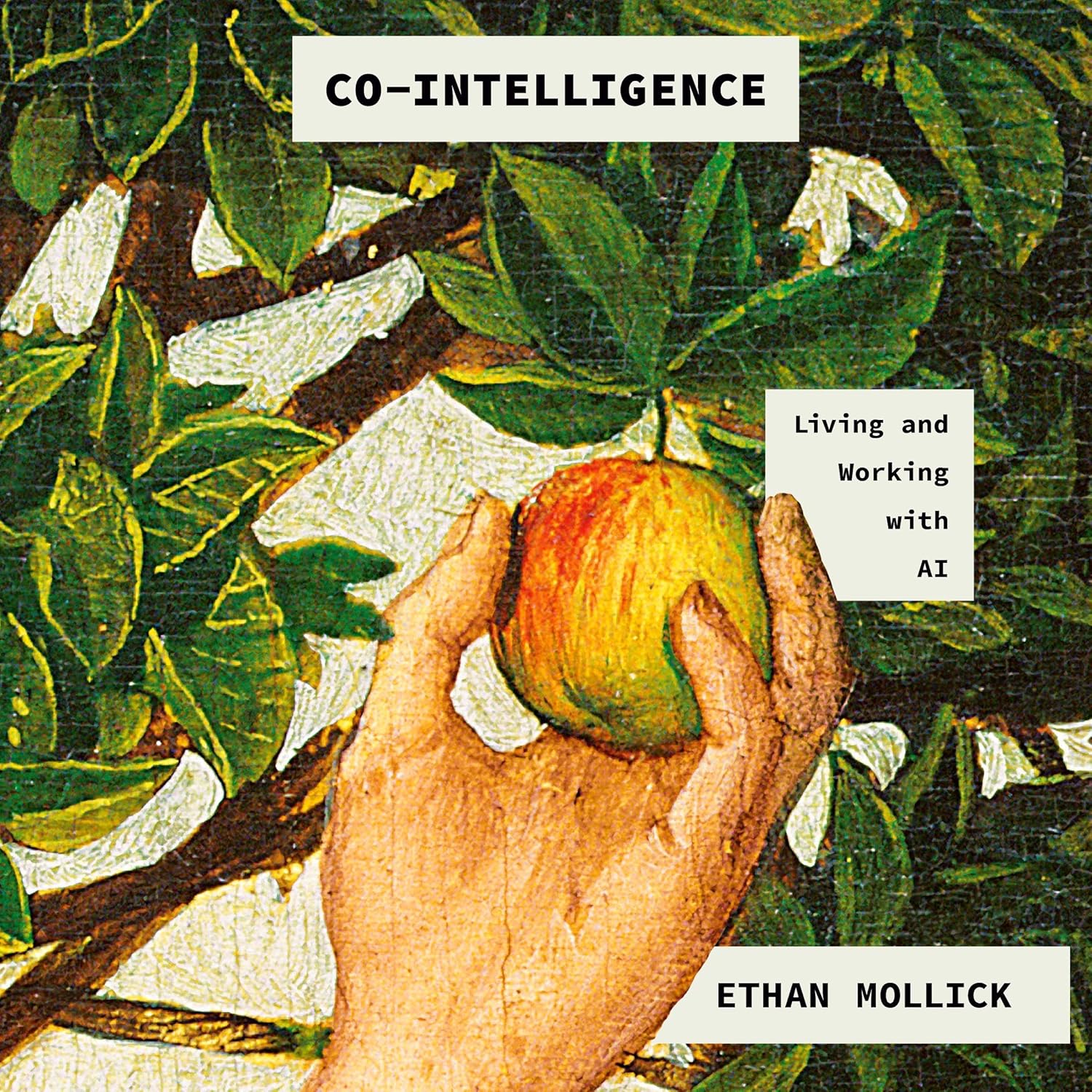
#1 Co-Intelligence
Ethan Mollick
Best for: Professionals who already use ChatGPT, Claude or Copilot and want better results.
Mollick is a Wharton professor who studies how AI changes work, and he boils that research down to four practical rules. The one that sticks: treat today's AI as the weakest version you will ever use. Of all the best AI books here, this is the one most likely to change how you work by next Monday.
Skip if: You want technical depth. There is no code in it.
Check price on Amazon →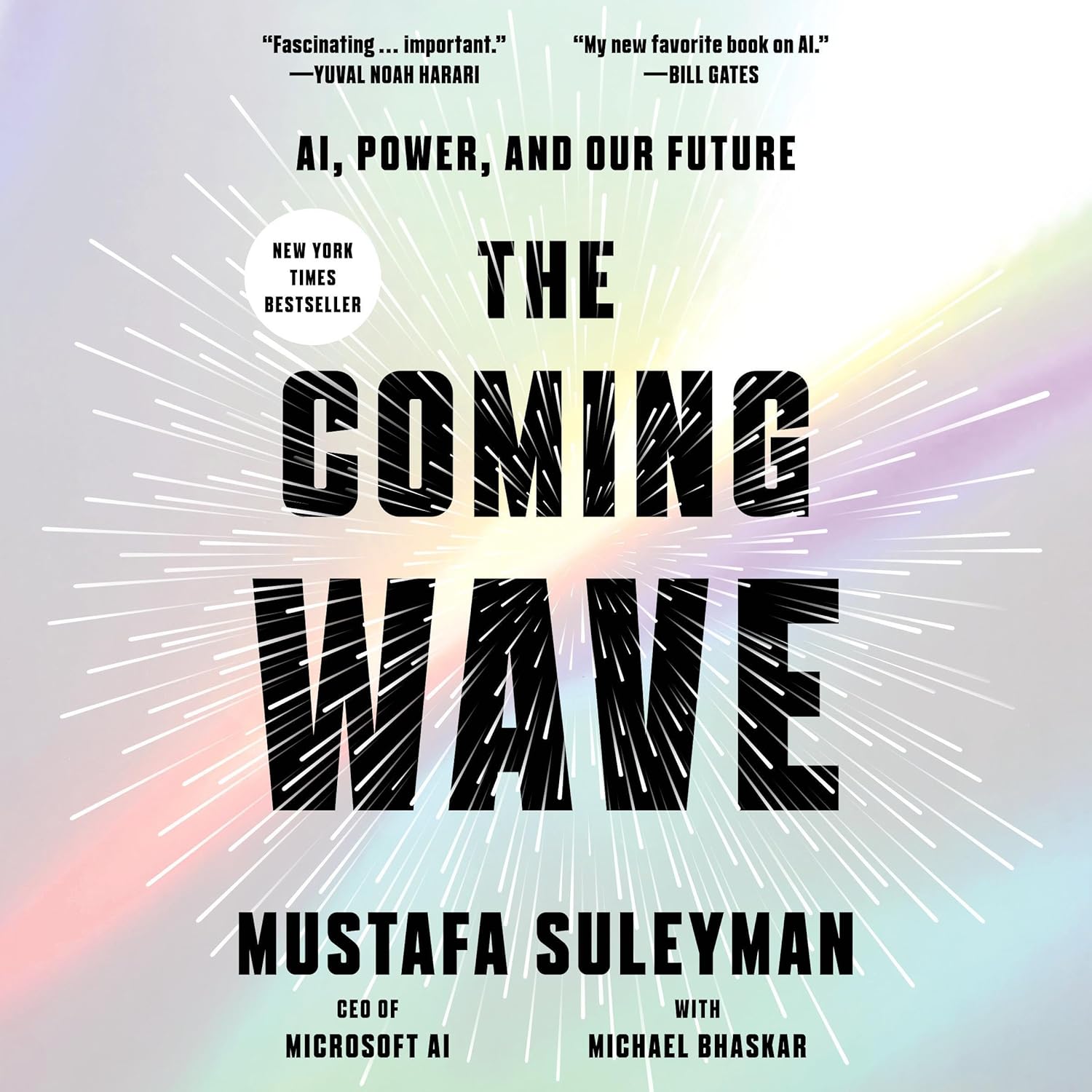
#2 The Coming Wave
Mustafa Suleyman
Best for: Readers who want the big picture: why tech leaders and governments are worried.
Suleyman co-founded DeepMind, so this is an insider's view. His argument: AI and synthetic biology are arriving together, and the hard question is whether anyone can contain them once they spread.
Skip if: You want practical tips. It is a big-picture argument, not a how-to.
Check price on Amazon →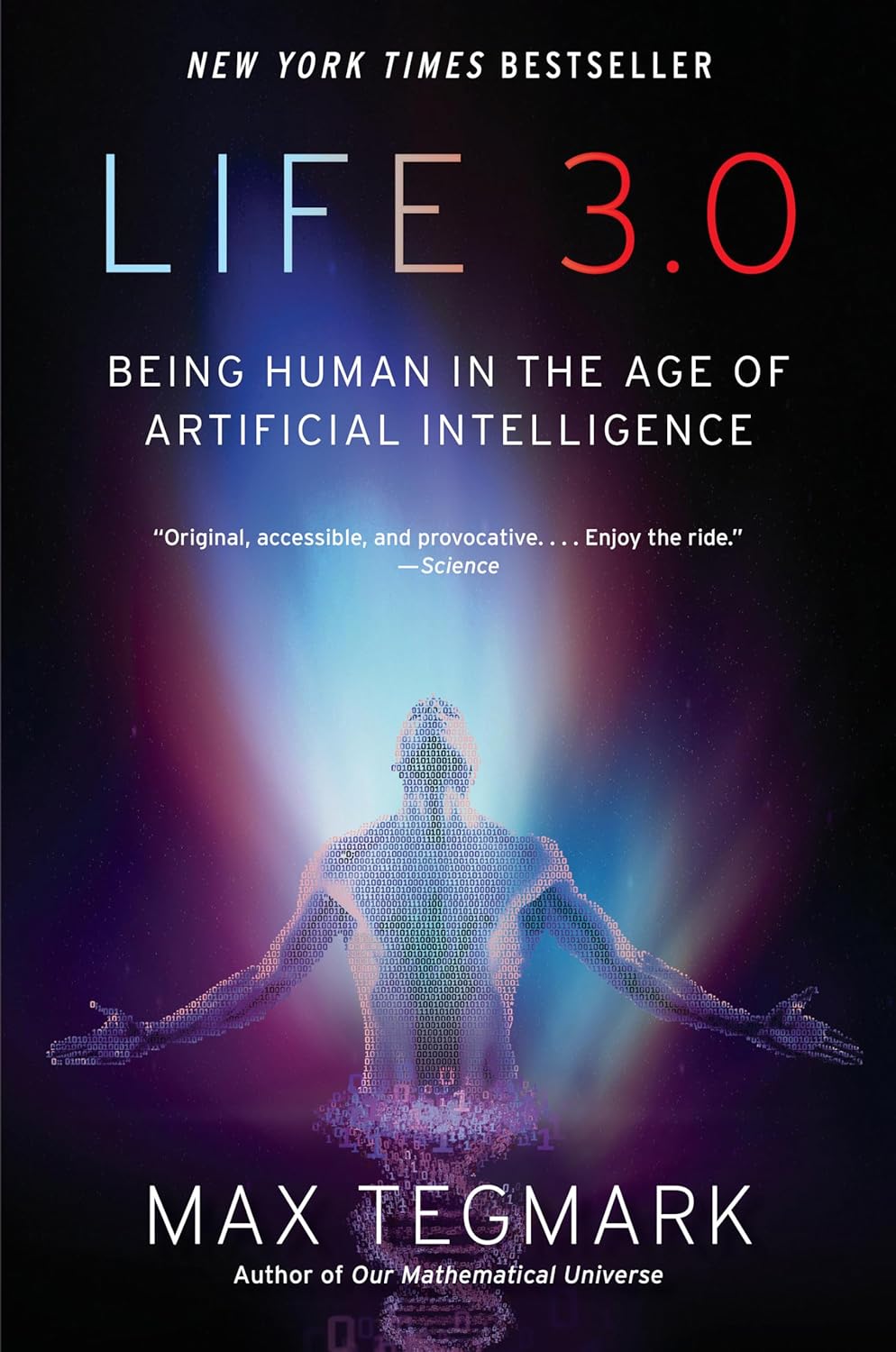
#3 Life 3.0
Max Tegmark
Best for: Curious readers who enjoy thought experiments about where AI could lead.
MIT physicist Max Tegmark opens with a thriller-style prologue, then maps out possible futures from utopian to grim. It predates ChatGPT, so read it as the philosophy layer, not the news layer.
Skip if: You want near-term advice. It thinks in decades.
Check price on Amazon →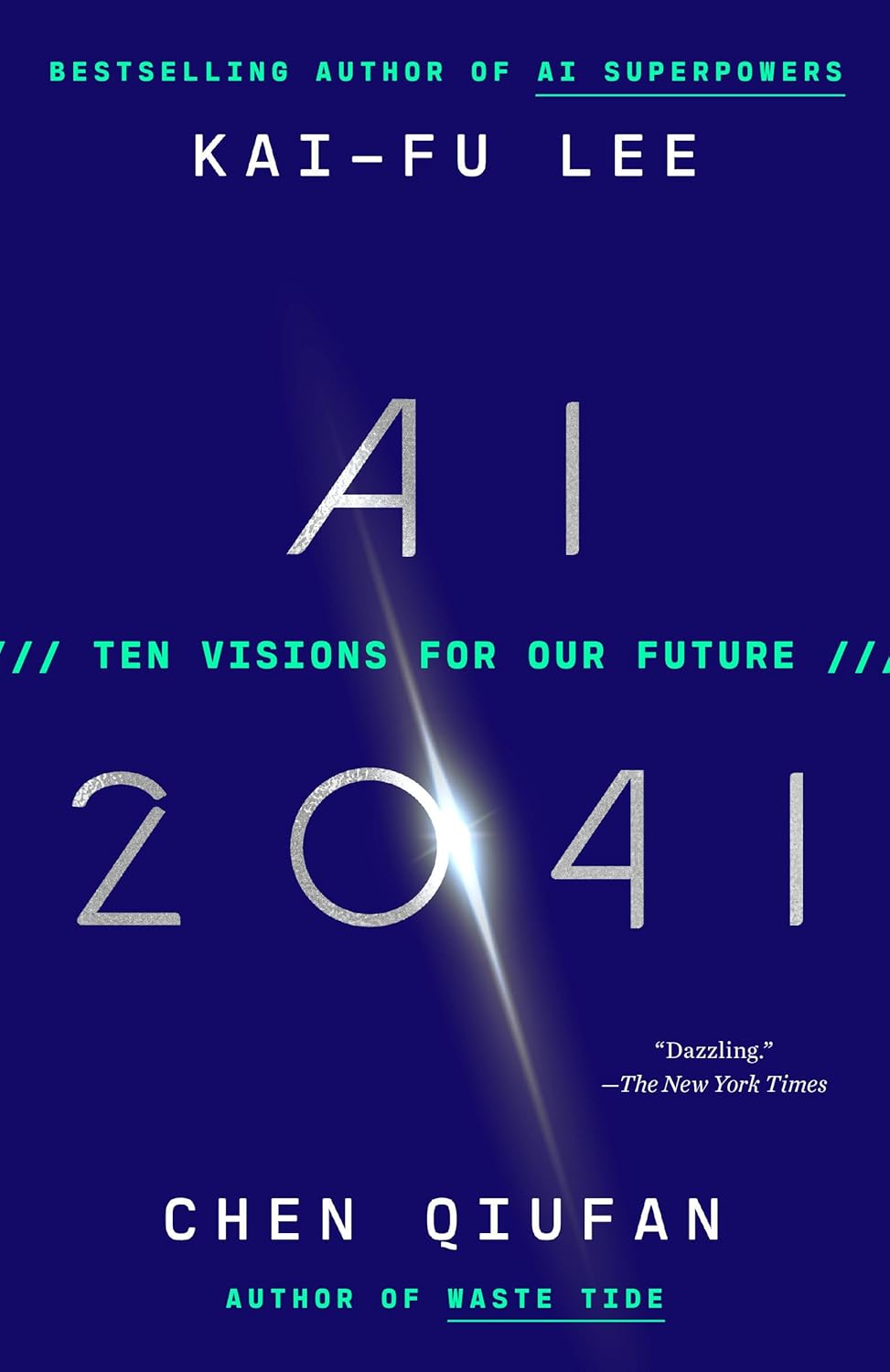
#4 AI 2041
Kai-Fu Lee & Chen Qiufan
Best for: People who learn through stories, and book clubs looking for an easy AI pick.
Former Google China head Kai-Fu Lee teams up with novelist Chen Qiufan: ten short stories, each followed by a plain-English explainer of the technology behind it. It is the most fun of all the best AI books to read.
Skip if: Fiction is not your thing.
Check price on Amazon →Once Co-Intelligence clicks, put it to work: my guide on how I use ChatGPT every day turns those ideas into seven daily prompts.
Best AI Books for Business and Work
These are for managers, founders and anyone who has to decide where AI earns its keep. Frameworks and case studies, no code, and the best AI books for making a smarter budget call.
The real question is not "can AI do this?" but "what changes when prediction gets cheap?"
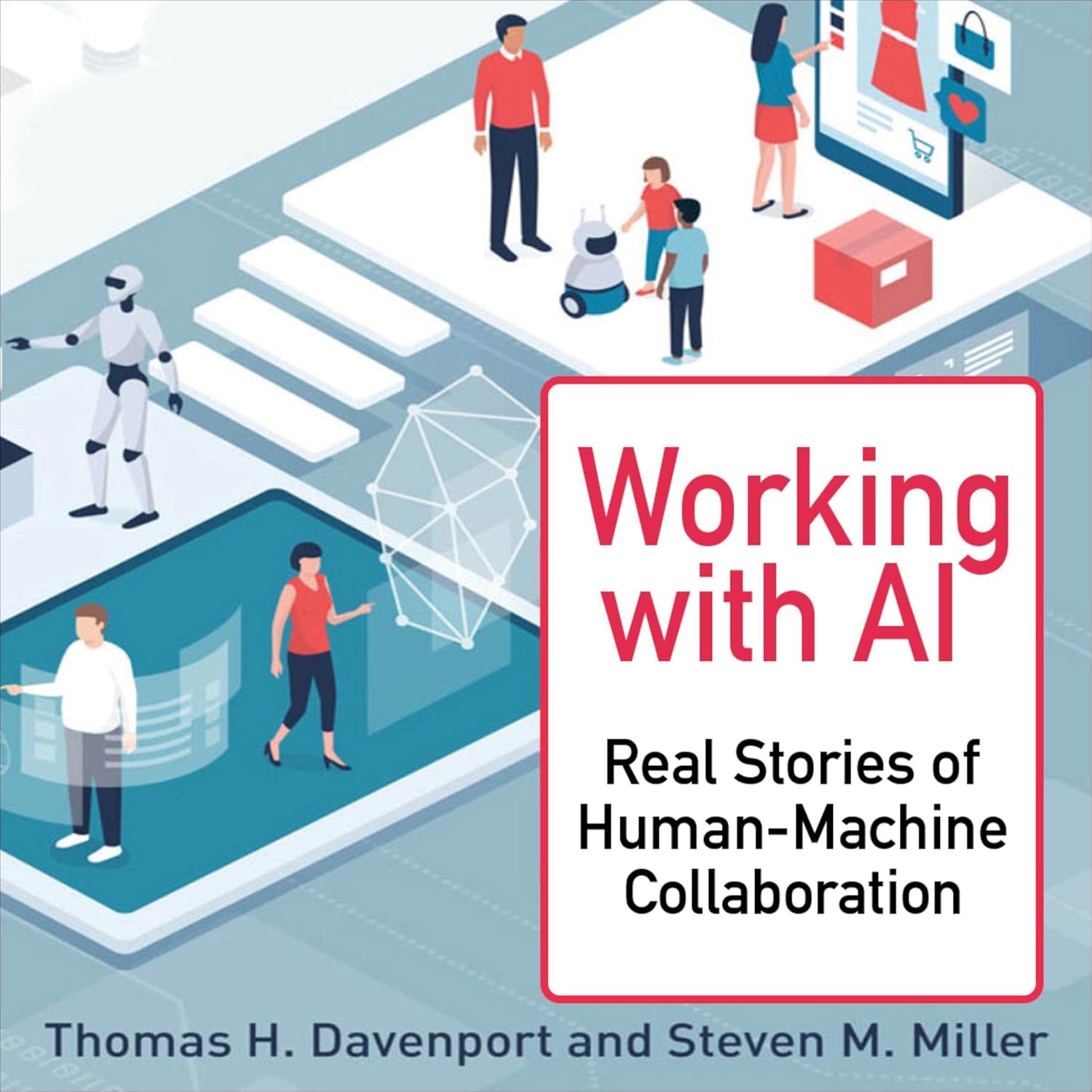
#5 Working with AI
Thomas H. Davenport & Steven M. Miller
Best for: Managers redesigning roles, and employees wondering what AI means for their job.
Two MIT Press authors document real workplace case studies of people and AI systems sharing the work. It is one of the best AI books for anyone anxious about their role. The takeaway is grounded: AI mostly reshapes tasks inside a job before it touches the whole job.
Skip if: You want bold predictions. It sticks to documented examples.
Check price on Amazon →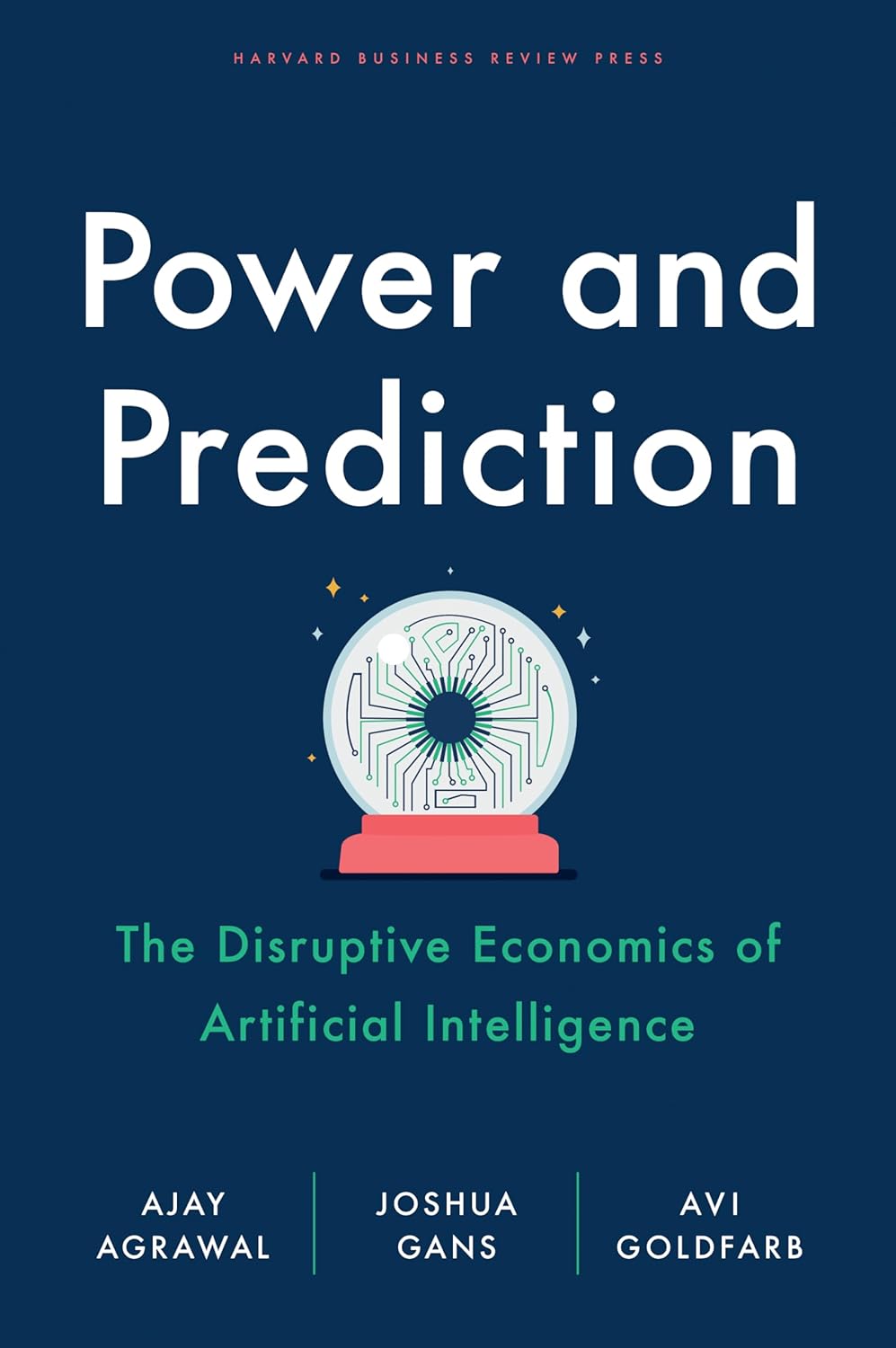
#6 Power and Prediction
Ajay Agrawal, Joshua Gans & Avi Goldfarb
Best for: Owners and managers deciding where AI investment will pay off first.
Three Toronto economists explain why swapping one tool for another rarely moves the needle. The big payoff comes from system-level change: redesigning how decisions flow once prediction gets cheap. If you only read one of the best AI books for business, make it this one.
Skip if: You want a list of tools to buy. This is about decisions, not software.
Check price on Amazon →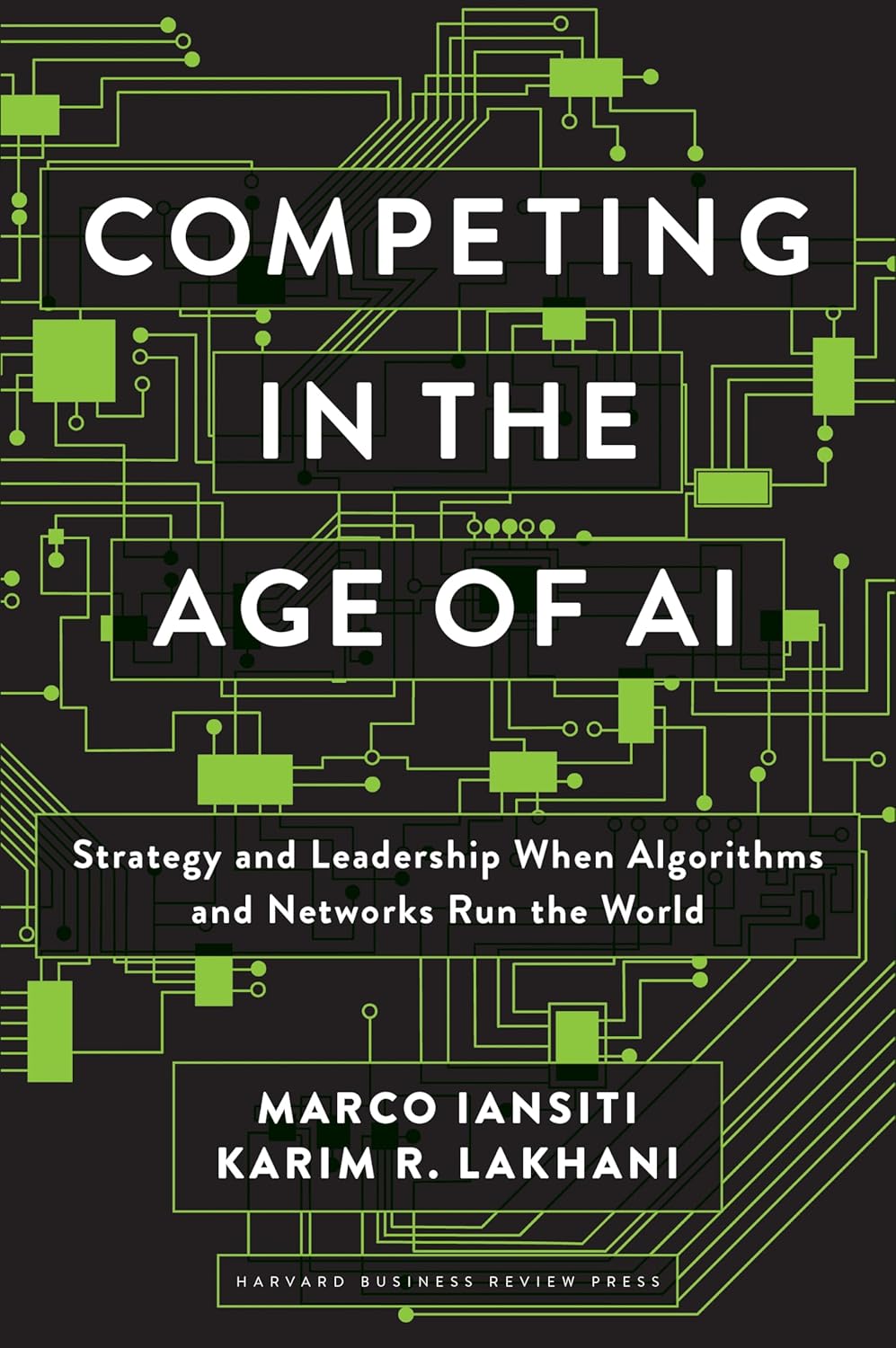
#7 Competing in the Age of AI
Marco Iansiti & Karim R. Lakhani
Best for: Executives, strategy teams and MBA students.
Two Harvard Business School professors describe the AI factory: data, algorithms and constant experimentation at the core of the company instead of bolted on the side.
Skip if: You run a solo business. Its examples lean toward large companies.
Check price on Amazon →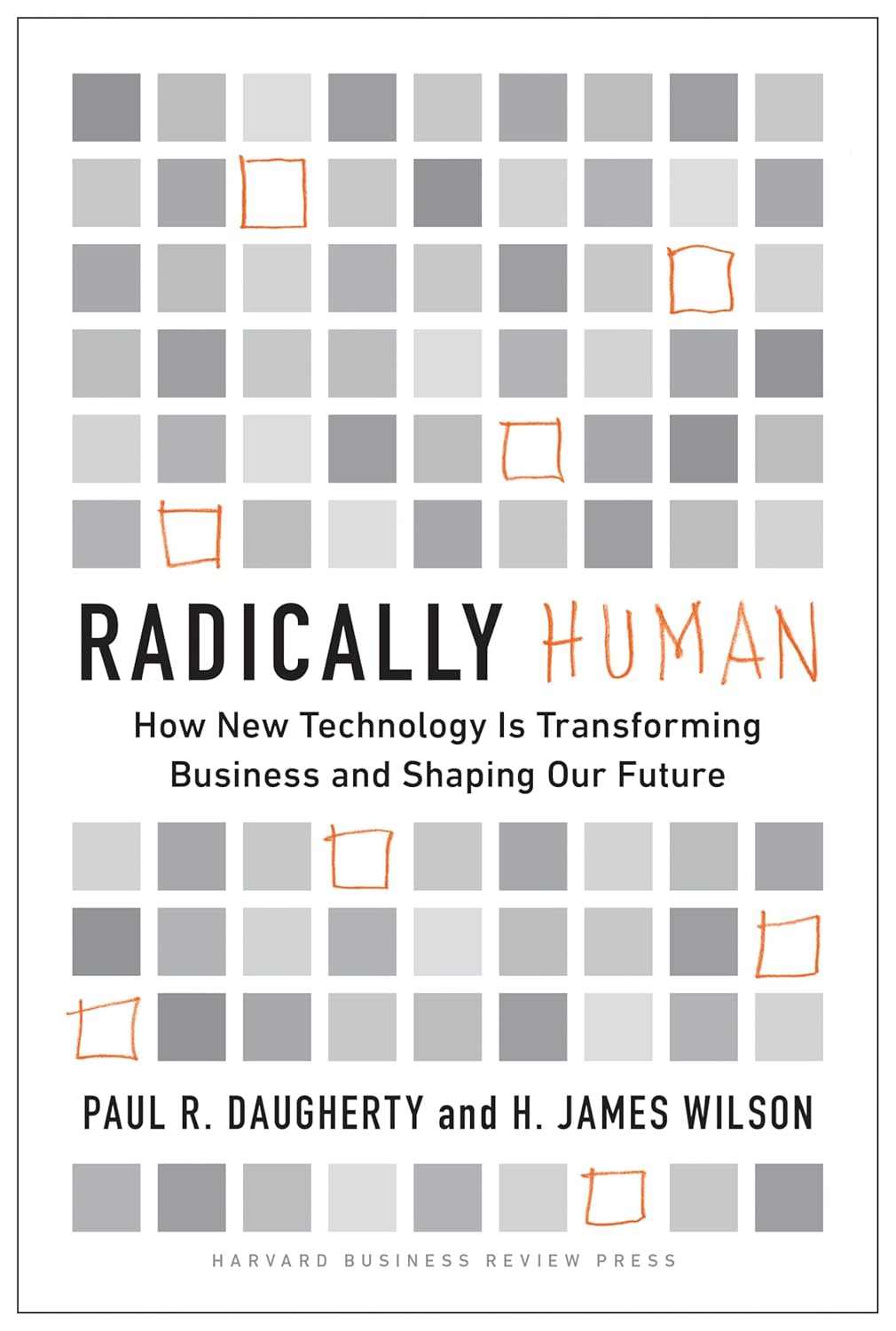
#8 Radically Human
Paul Daugherty & H. James Wilson
Best for: HR leaders and team leads planning people-first AI adoption.
Accenture's technology leaders argue the winners use AI to amplify people, not replace them, and give a framework for talent, data and responsible rollout.
Skip if: You want hard numbers. It leans toward consulting frameworks.
Check price on Amazon →Best AI Books for Learning to Build AI
This is where Python comes in. If you can write a basic loop, these are the best AI books for going from "what is a model?" to shipping one.
Pick one project book and one systems book. Three textbooks back to back is how most self-learners stall.
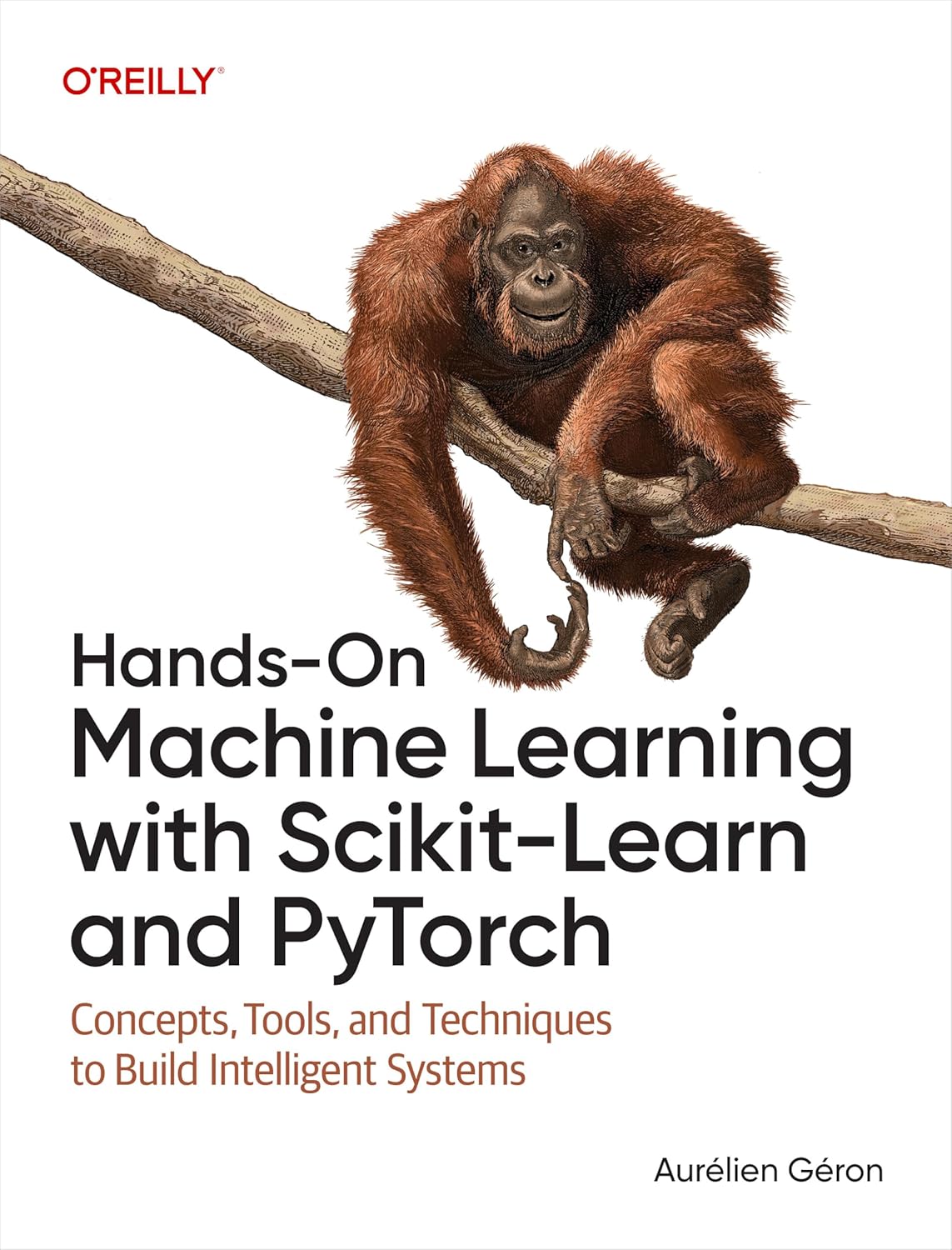
#9 Hands-On Machine Learning (Scikit-Learn & PyTorch)
Aurélien Géron
Best for: Anyone ready to build a first real machine learning project in Python.
Géron led YouTube's video classification team, and this is the ML book most self-taught engineers start with. The newest edition moves to PyTorch and adds transformers, diffusion models and fine-tuning pretrained LLMs. Buy that one; PyTorch is where most current tutorials and research code live.
Skip if: You have never written code. Learn basic Python first.
Check price on Amazon →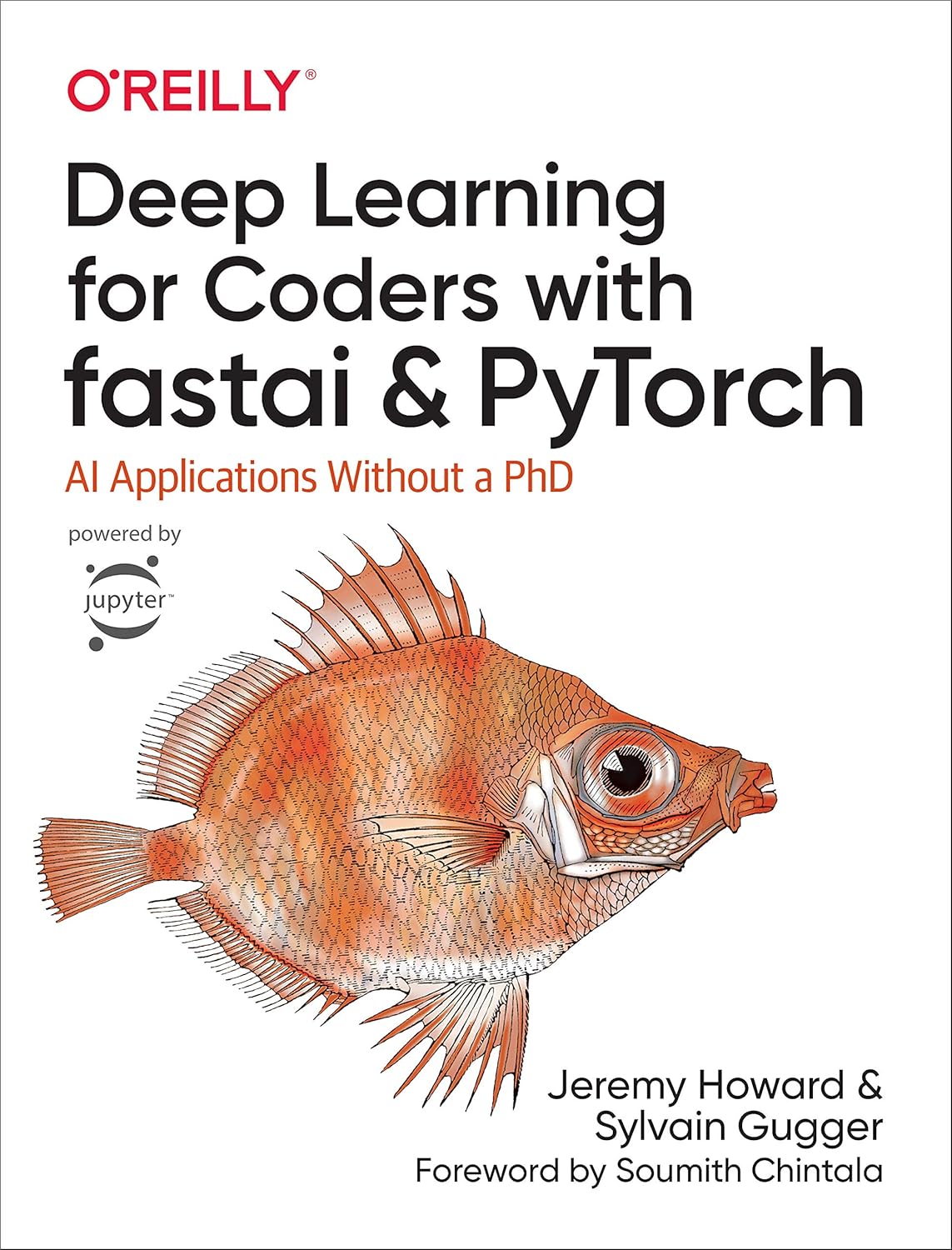
#10 Deep Learning for Coders with fastai & PyTorch
Jeremy Howard & Sylvain Gugger
Best for: Coders who learn by doing and want results before theory.
It works top-down: you train a working image classifier in chapter one and learn why it works later. It pairs with the free fast.ai course, which makes it the best value among the best AI books for coders.
Skip if: You need the newest LLM coverage. Some library examples show their age.
Check price on Amazon →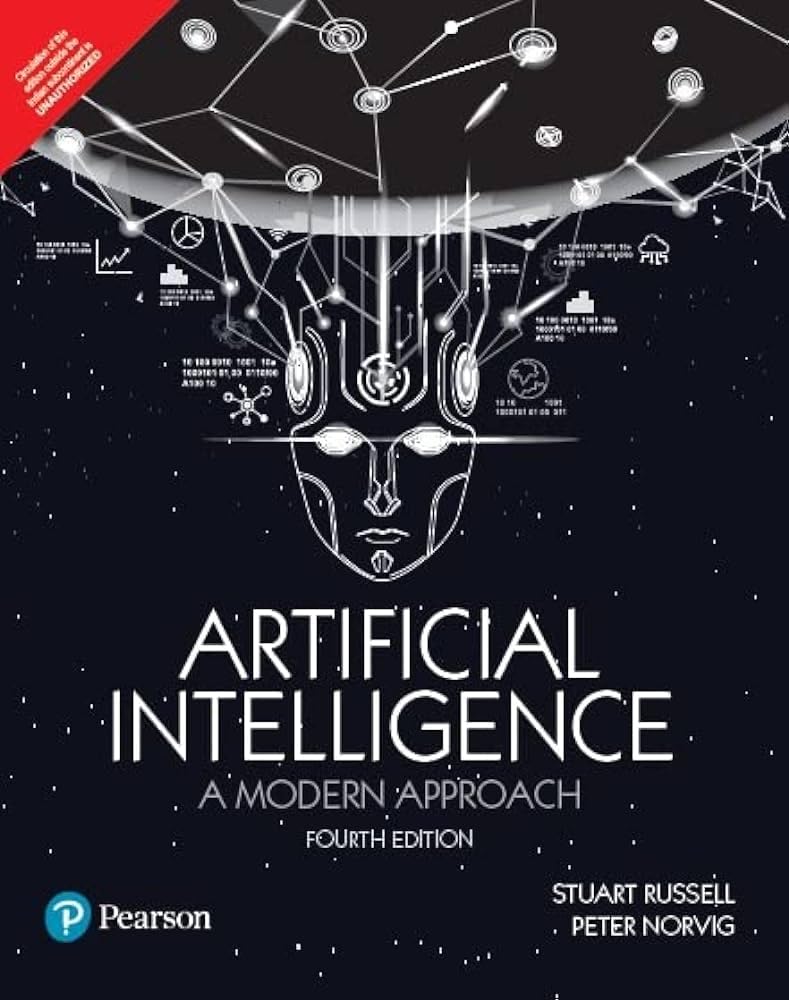
#11 Artificial Intelligence: A Modern Approach (4th ed.)
Stuart Russell & Peter Norvig
Best for: Computer science students and anyone who wants complete foundations.
The standard university textbook: search, logic, probability, learning and ethics in over 1,000 pages. Of all the best AI books here, it is the most complete. Use it as a reference you dip into, not a book you read cover to cover.
Skip if: You want to build something this month. It is theory first.
Check price on Amazon →
#12 Generative Deep Learning (2nd ed.)
David Foster
Best for: Developers curious how image and text generators work under the hood.
Foster walks through the model families behind today's generative AI (VAEs, GANs, diffusion and transformers) with runnable code for each one.
Skip if: You only want to use AI tools, not build them.
Check price on Amazon →
#13 Natural Language Processing with Transformers
Lewis Tunstall, Leandro von Werra & Thomas Wolf
Best for: Developers working with language models and the Hugging Face ecosystem.
Written by Hugging Face engineers: fine-tuning, classification, text generation and shrinking models so they run faster. The concepts hold up even where individual examples predate the chatbot wave.
Skip if: You are still new to Python.
Check price on Amazon →
#14 Designing Machine Learning Systems
Chip Huyen
Best for: Engineers shipping models to real users.
Most of the best AI books stop at the notebook. This one covers what happens next: data pipelines, deployment, monitoring and data drift. Building on top of LLMs specifically? Huyen's newer book, AI Engineering, covers that side.
Skip if: You have not trained a model yet.
Check price on Amazon →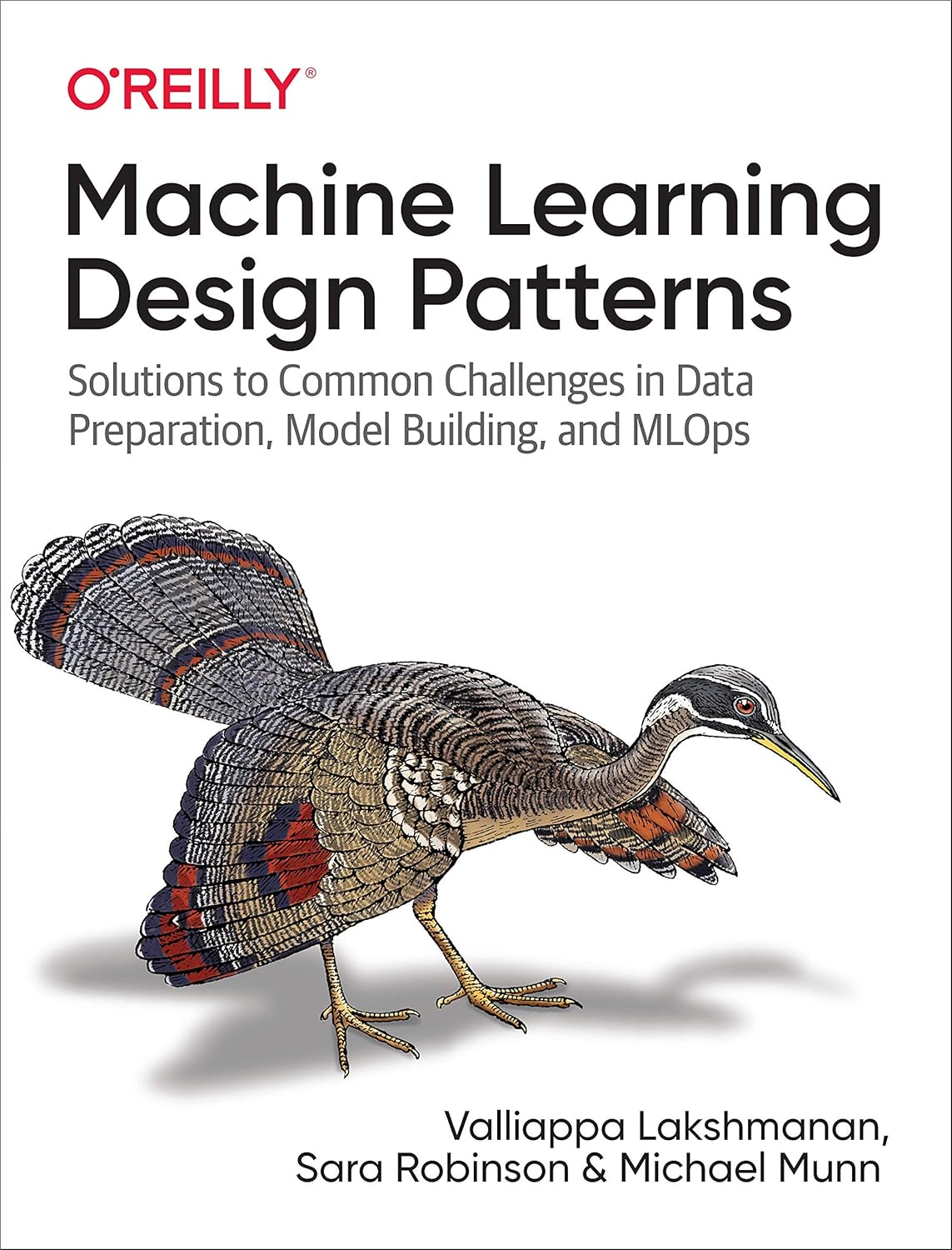
#15 Machine Learning Design Patterns
Valliappa Lakshmanan, Sara Robinson & Michael Munn
Best for: Teams that want a shared playbook for building ML.
Three Google Cloud engineers catalog 30 repeatable patterns for recurring problems like data representation, reproducibility and fairness.
Skip if: You are a solo beginner. It pays off at team scale.
Check price on Amazon →Prefer video lessons alongside the book? The free fast.ai Practical Deep Learning course follows the same code-first approach as Deep Learning for Coders.
My 3-Book Reading Paths
One book gives you an idea. Three in the right order give you a skill. These stacks combine the best AI books so each one builds on the last.
Why this order: Use AI today, see how others restructured work, then plan it for your team.
Why this order: Find where AI pays off, design the operating model, then stress-test the risks.
- Deep Learning for Coders with fastai & PyTorch
- Hands-On Machine Learning (Scikit-Learn & PyTorch)
- Designing Machine Learning Systems
Why this order: Get a quick win, build real foundations, then learn to ship to production.
Why this order: Stories first, big questions second, today's stakes last.
How I Chose These Best AI Books
I researched well over a hundred titles and kept only books that pass four tests: the ideas still hold after the ChatGPT shift, the author has built or studied AI directly, the audience is clear, and you can apply something from it within a week.
From my list of best AI books I cut hype-heavy futurism, books tied to one app's interface, and outdated editions. For current data beyond any book, the Stanford AI Index publishes a free annual report.
Watch Before You Buy: Ethan Mollick on Working With AI
Not sure which of the best AI books to start with? In this interview Mollick walks through the rules from the book and how he applies AI in his own teaching. Ten minutes in, you will know if his style clicks.

Best AI Books: Your Questions Answered
My final take on the best AI books: pick one practical title and one perspective title, read 20 minutes a day, and apply one idea to a real task every week. Small, repeatable loops beat big reading lists.